Custom Precision Plastic Molding Services - High-Quality Manufacturing Solutions

application/custom-precision-plastic-molding, application/custom-precision-plastic-molding, 
Get a Quote
Get a Quote

custom precision plastic molding

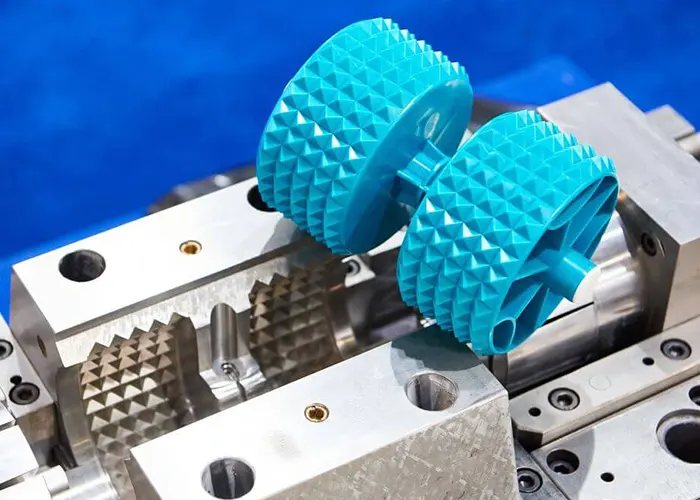
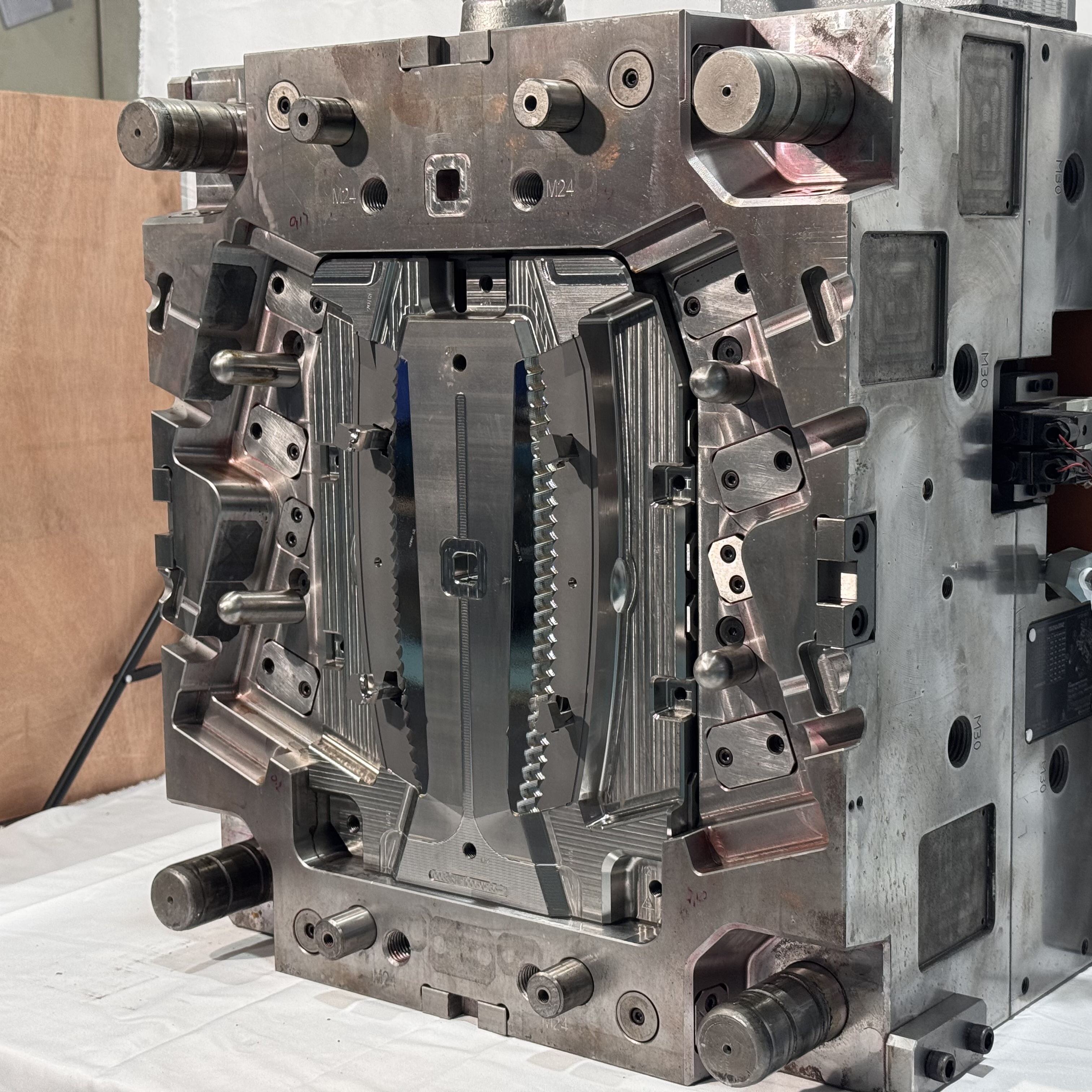
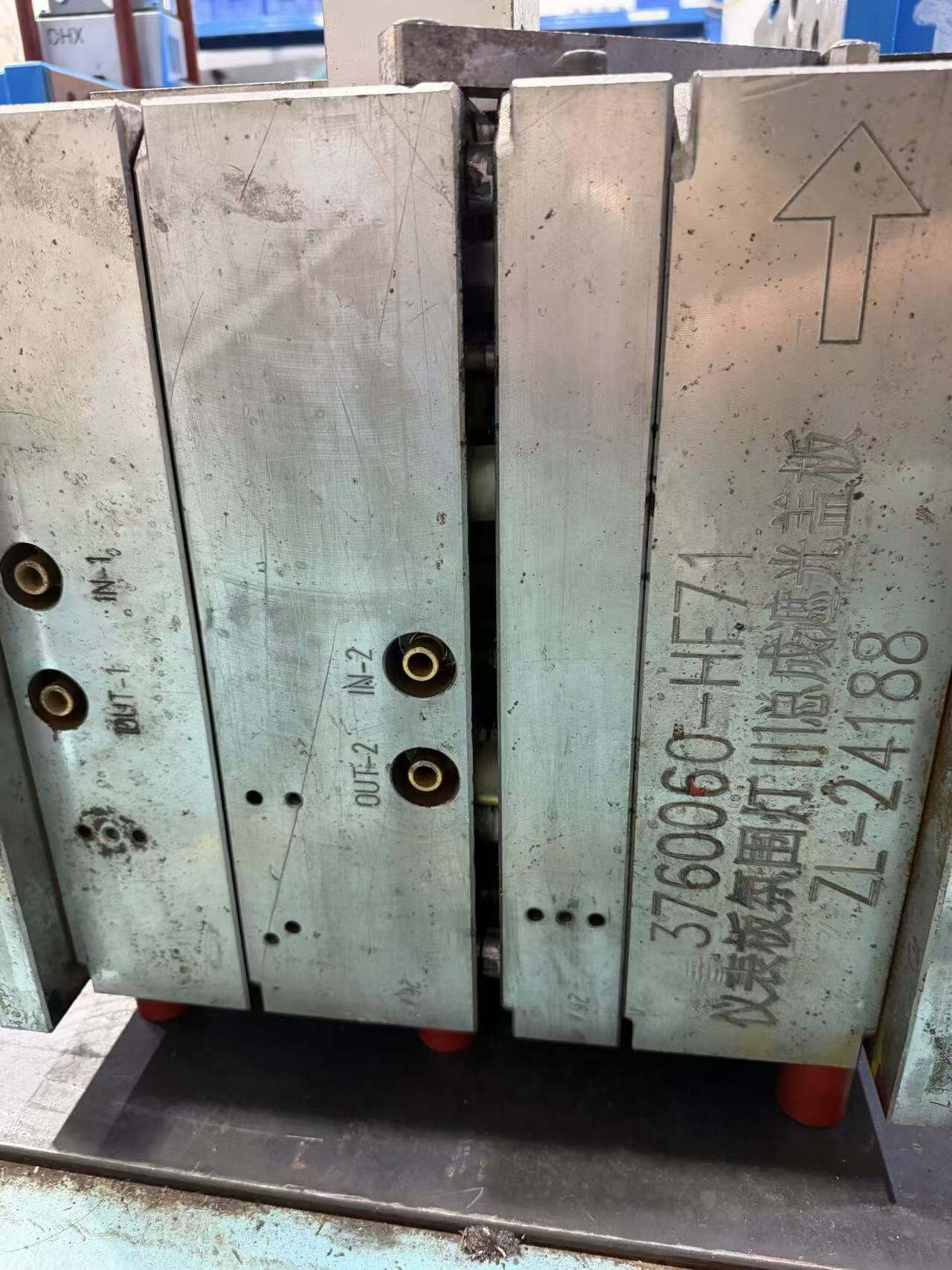
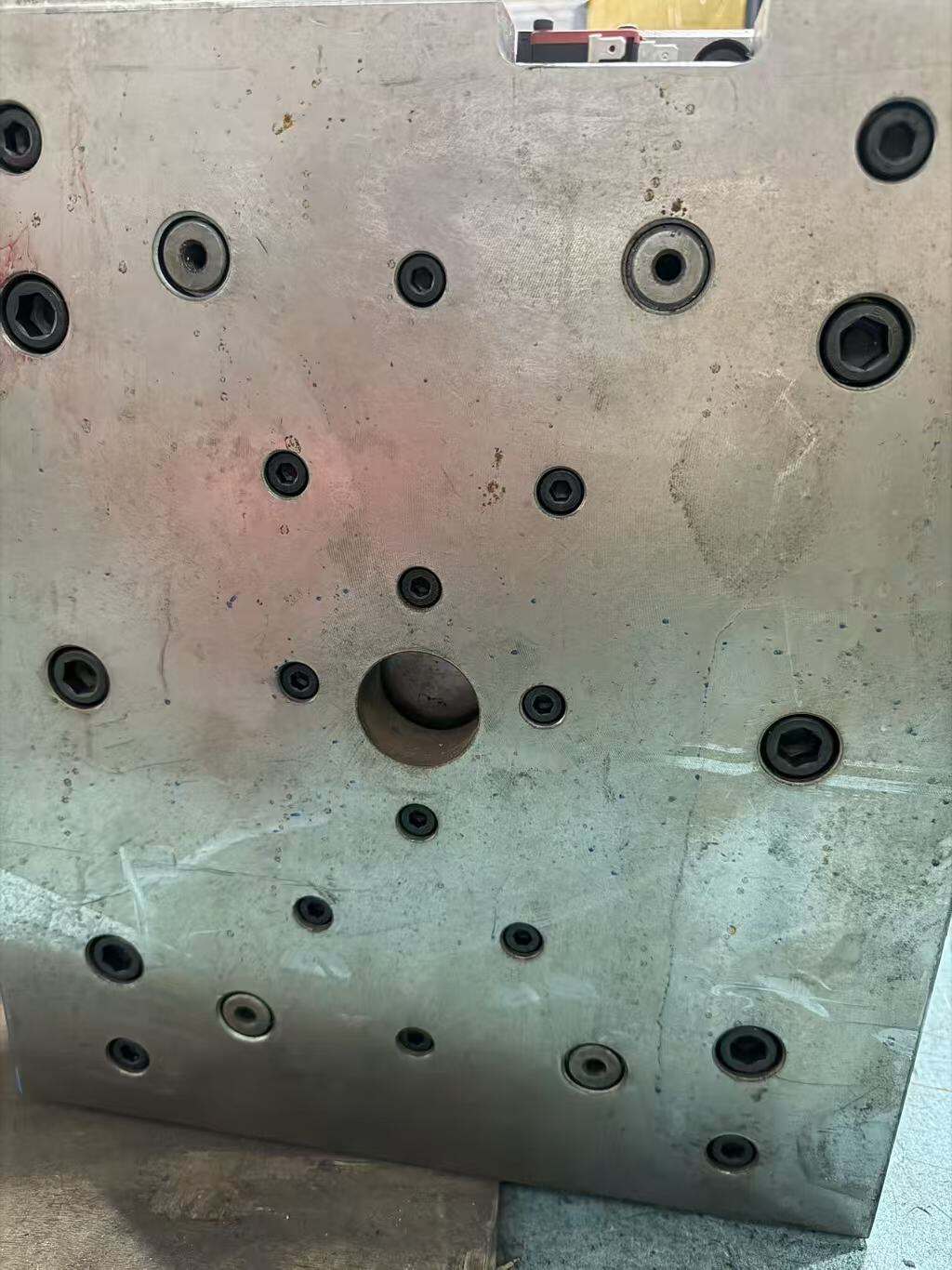
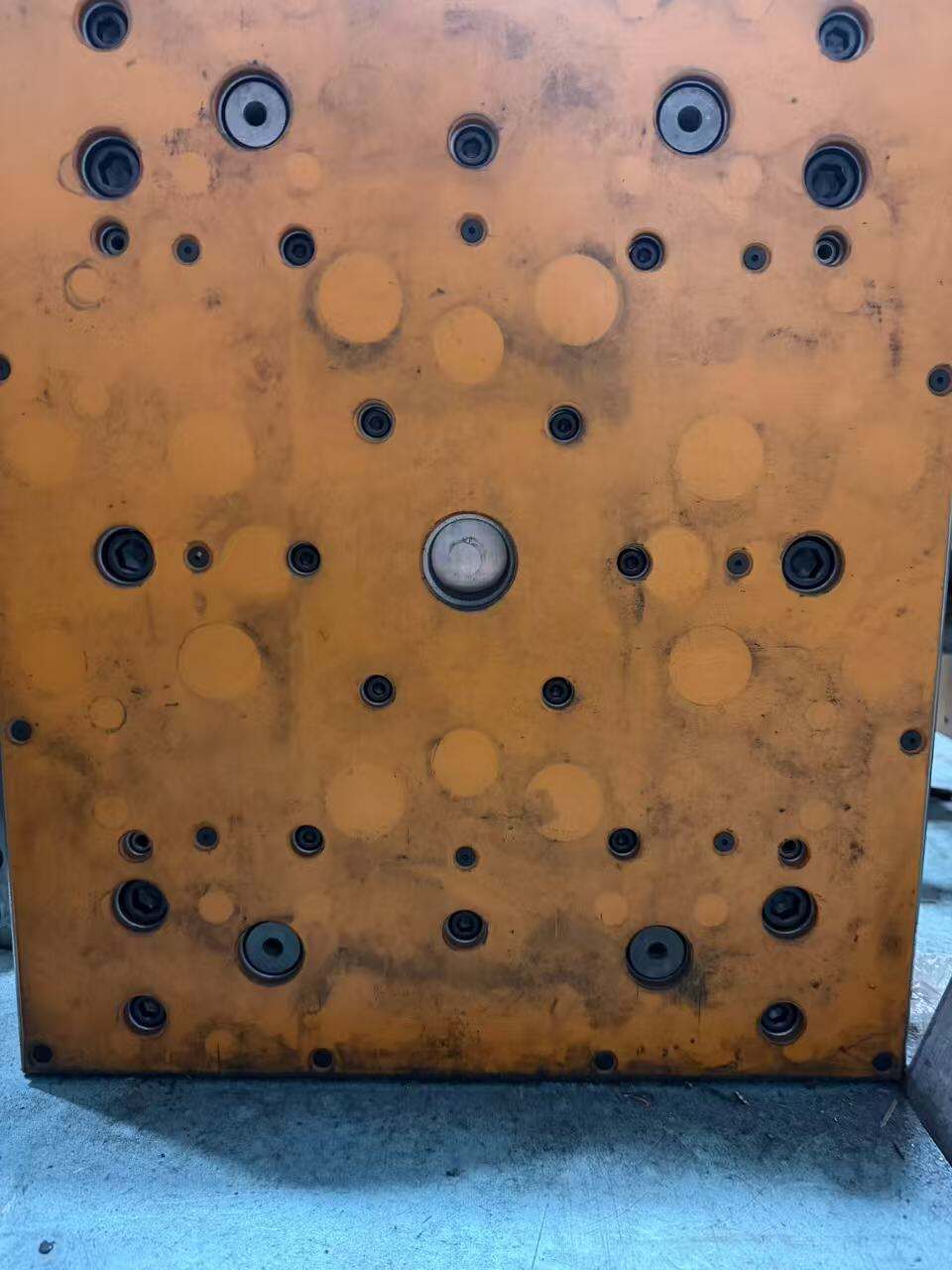
Custom precision plastic molding represents a sophisticated manufacturing process that transforms raw plastic materials into highly accurate components tailored to specific design requirements. This advanced technique combines cutting-edge technology with meticulous engineering to produce parts that meet exact dimensional tolerances and performance standards. The process begins with detailed design specifications and utilizes computer-aided design software to create precise molds that serve as the foundation for production. Custom precision plastic molding encompasses various methods including injection molding, compression molding, and transfer molding, each selected based on the unique characteristics of the project. The main functions of this manufacturing approach include creating complex geometries that would be impossible or cost-prohibitive through traditional machining methods, producing consistent parts in both small prototype quantities and large-scale production runs, and delivering components with exceptional surface finishes and structural integrity. Technological features distinguish this process from standard molding operations through the implementation of advanced temperature control systems, high-pressure injection capabilities, and real-time monitoring equipment that ensures every piece meets stringent quality standards. Modern custom precision plastic molding facilities employ multi-cavity molds, automated material handling systems, and sophisticated quality inspection tools including coordinate measuring machines and optical scanners. Applications for custom precision plastic molding span numerous industries including medical device manufacturing where sterile, biocompatible components are essential, automotive production requiring durable and lightweight parts, aerospace engineering demanding materials that withstand extreme conditions, consumer electronics needing intricate housings and connectors, and industrial equipment manufacturing requiring robust components. The versatility of materials available for custom precision plastic molding includes engineering-grade thermoplastics, high-performance polymers, and specialty compounds that can be formulated with specific properties such as UV resistance, flame retardancy, chemical resistance, or enhanced mechanical strength. This manufacturing solution addresses the growing demand for precision-engineered plastic components that deliver reliability, consistency, and performance across diverse applications.

New Products

Choosing custom precision plastic molding delivers substantial benefits that directly impact your bottom line and product quality. First and foremost, this manufacturing method provides exceptional cost efficiency, particularly when producing medium to high volumes of parts. Once the initial mold is created, the per-unit cost decreases significantly, making it an economical choice for sustained production needs. You gain the ability to produce thousands or even millions of identical parts with consistent quality, eliminating the variability often associated with manual processes. The speed of production stands out as another compelling advantage, with cycle times often measured in seconds or minutes rather than hours, enabling rapid fulfillment of orders and faster time-to-market for your products. Material waste reaches minimal levels because the process uses only the exact amount of plastic needed for each component, with excess material often recyclable for future production runs, contributing to both cost savings and environmental responsibility. Design flexibility empowers you to create intricate shapes, undercuts, threads, and complex internal structures that would require multiple operations or prove impossible with other manufacturing methods. You can incorporate multiple colors, textures, and finishes directly into the molding process, eliminating secondary operations and reducing handling time. The structural integrity of molded parts exceeds that of assembled alternatives because components emerge as single, unified pieces without joints or seams that could become weak points. Surface quality emerges directly from the mold, producing smooth, aesthetically pleasing finishes that often require no additional polishing or treatment. Repeatability ensures that every part matches the specifications exactly, crucial for assemblies requiring precise fits and for maintaining brand consistency across product lines. Material selection offers tremendous versatility, allowing you to choose plastics with specific properties matching your application requirements, whether you need flexibility, rigidity, transparency, chemical resistance, or heat tolerance. The lightweight nature of plastic components reduces shipping costs, eases handling during assembly, and in applications like automotive or aerospace, contributes to improved fuel efficiency. Durability and longevity of properly designed molded parts mean reduced warranty claims and enhanced customer satisfaction. The process also supports rapid prototyping, enabling you to test designs quickly and make modifications before committing to full-scale production, reducing development risks and accelerating innovation cycles.

Tips And Tricks

What makes custom injection molding a cost-effective production solution?

29

Apr

What makes custom injection molding a cost-effective production solution?

Manufacturing decision-makers constantly seek production methods that balance quality, speed, and economic efficiency. Custom injection molding has emerged as a dominant solution across industries ranging from automotive and medical devices to consum...
View More
How to choose reliable suppliers for custom plastic injection molding?

29

Apr

How to choose reliable suppliers for custom plastic injection molding?

Selecting the right partner for custom plastic injection molding represents one of the most critical decisions manufacturing businesses face when developing new products or scaling production. The supplier you choose directly impacts product quality,...
View More
Why do manufacturers rely on plastic moulding for scalable production?

27

May

Why do manufacturers rely on plastic moulding for scalable production?

Manufacturers across industries face a persistent challenge: how to scale production efficiently while maintaining product quality, controlling costs, and meeting rapidly changing market demands. The answer increasingly lies in plastic moulding, a ma...
View More
How does plastic injection molding service optimize production timelines?

27

May

How does plastic injection molding service optimize production timelines?

In today's competitive manufacturing landscape, speed and precision are not optional — they are baseline expectations. A well-structured plastic injection molding service plays a central role in helping manufacturers, product developers, and OE...
View More

Get a Free Quote

Our representative will contact you soon.
0/1000
Unmatched Dimensional Accuracy and Consistency

Unmatched Dimensional Accuracy and Consistency

Custom precision plastic molding delivers dimensional accuracy that sets the standard for manufacturing excellence, providing tolerances as tight as plus or minus 0.001 inches depending on part geometry and material selection. This level of precision proves critical for components that must interface with other parts in assemblies, ensuring proper fit and function every time. The importance of this accuracy becomes evident in applications where even minor deviations can cause product failure, assembly difficulties, or performance issues. Medical devices, for instance, require components that meet exact specifications to ensure patient safety and regulatory compliance. Electronic housings demand precise dimensions to protect sensitive components while allowing proper heat dissipation and connector alignment. Automotive parts must fit perfectly within larger assemblies where misalignment could affect vehicle performance or safety systems. The value this accuracy brings to your operations extends beyond individual part quality to encompass your entire production workflow. When components consistently meet specifications, your assembly processes run smoothly without interruptions for adjustments or rework. Quality control becomes more efficient because parts rarely fall outside acceptable parameters. Customer returns decrease substantially when products function as intended from the first use. The technological foundation supporting this precision includes advanced mold design software that simulates material flow and predicts shrinkage patterns before production begins. Mold makers employ CNC machining centers capable of creating cavity details with microscopic precision, and temperature control systems maintain uniform conditions throughout the molding cycle. Injection pressure and speed parameters are monitored and adjusted in real-time to compensate for variables in material properties or environmental conditions. Post-molding inspection utilizes coordinate measuring machines, optical comparators, and automated vision systems to verify that every dimension meets the specified tolerance range. The consistency achieved through custom precision plastic molding means that parts produced today will match those manufactured months or years later, essential for maintaining spare parts inventories and supporting long product lifecycles. This reliability reduces your inventory carrying costs because you can order replacement components with confidence they will fit existing assemblies without modification. Documentation and traceability features built into modern molding operations provide complete records of process parameters for each production run, supporting quality audits and continuous improvement initiatives. The combination of precision and consistency transforms custom precision plastic molding from a simple manufacturing method into a strategic advantage that enhances product quality, reduces operational costs, and strengthens customer relationships through reliable performance.
Rapid Production Capabilities for Competitive Advantage

Rapid Production Capabilities for Competitive Advantage

The speed at which custom precision plastic molding produces finished components creates significant competitive advantages in today's fast-paced marketplace where time-to-market often determines success or failure. Modern injection molding machines complete full cycles in timeframes ranging from a few seconds for small, simple parts to several minutes for larger, complex components, a pace that dramatically outperforms alternative manufacturing methods. This rapid production capability translates directly into business benefits that affect multiple aspects of your operations. Shortened lead times mean you can respond quickly to market opportunities, launching new products while demand is strongest and competitors are still in development phases. The ability to scale production rapidly allows you to accommodate unexpected increases in demand without lengthy delays that could result in lost sales or dissatisfied customers. Rush orders become manageable rather than disruptive because the inherent speed of the process provides flexibility in scheduling and capacity allocation. The value of rapid production extends beyond manufacturing speed to encompass your entire supply chain and business strategy. Reduced cycle times lower your work-in-process inventory requirements, freeing capital for other investments and reducing storage needs. Faster throughput improves cash flow because finished goods reach customers more quickly, accelerating payment cycles. The ability to produce parts on-demand rather than maintaining large inventories reduces obsolescence risks, particularly important for products subject to design changes or technology evolution. Just-in-time manufacturing becomes practical with custom precision plastic molding because reliable, fast production ensures materials arrive when needed without buffer stocks. Multiple factors contribute to the impressive speed of this manufacturing method. Automated material handling systems load plastic resin into machines without manual intervention, while robotic part removal extracts finished components immediately after mold opening, cooling them efficiently and placing them for inspection or packaging. Multi-cavity molds produce multiple identical parts simultaneously, multiplying output without extending cycle time. Hot runner systems eliminate the material waste and cooling time associated with traditional sprue and runner systems. Quick-change tooling allows manufacturers to switch between different products efficiently, minimizing downtime and maximizing equipment utilization. Advanced process control monitors key parameters continuously, making real-time adjustments that prevent defects and eliminate the need to stop production for troubleshooting. Predictive maintenance systems identify potential equipment issues before failures occur, scheduling repairs during planned downtime rather than experiencing unexpected interruptions. The combination of inherent process speed, automation, and sophisticated management creates a production environment where efficiency and output reach levels impossible with traditional manufacturing approaches, delivering competitive advantages that strengthen market position and profitability.
Material Versatility for Diverse Application Requirements

Material Versatility for Diverse Application Requirements

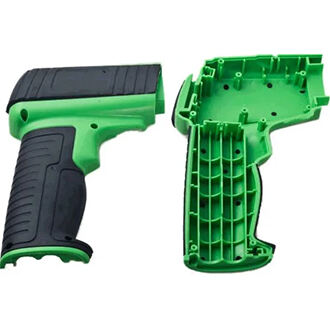
Custom precision plastic molding offers extraordinary material versatility that enables engineers and product designers to select plastics with specific properties precisely matched to application requirements, performance expectations, and operating environments. The range of available materials spans from commodity thermoplastics like polyethylene and polypropylene through engineering-grade polymers such as nylon, polycarbonate, and acetal, to high-performance plastics including PEEK, PEI, and liquid crystal polymers capable of withstanding extreme temperatures and harsh chemical exposure. This extensive material palette empowers you to optimize component performance while managing costs effectively. Commodity plastics serve applications requiring basic functionality at minimal expense, while engineering-grade materials provide enhanced mechanical properties, thermal stability, and chemical resistance for demanding uses. High-performance polymers address specialized applications where standard materials cannot survive the operating conditions. The importance of material selection becomes clear when considering how different plastics behave under various conditions. Some applications require flexibility and impact resistance to absorb shocks without cracking. Others demand rigidity and dimensional stability to maintain precise tolerances across temperature fluctuations. Transparency matters for applications involving visual inspection or light transmission. Electrical insulation properties prove critical for electronic component housings. Biocompatibility and sterilization capability are non-negotiable for medical devices. Chemical resistance ensures longevity when components contact solvents, fuels, or corrosive substances. The value this material versatility brings extends beyond basic property matching to encompass advanced formulation capabilities. Plastic compounds can be enhanced with glass fibers for increased strength and stiffness, mineral fillers for dimensional stability and reduced costs, flame retardants for fire safety compliance, UV stabilizers for outdoor durability, antimicrobial additives for hygiene applications, and colorants for aesthetic appeal or brand identification. Specialty grades address specific needs such as static dissipation for electronics handling, food-contact compliance for packaging and appliance components, FDA approval for medical applications, and military specifications for defense equipment. Material scientists work with custom precision plastic molding facilities to develop proprietary compounds tailored to unique application challenges, creating competitive advantages through enhanced performance characteristics unavailable in standard materials. The molding process itself accommodates this material diversity through adjustable processing parameters. Temperature profiles can be optimized for each polymer type, accounting for different melting points and flow characteristics. Injection speeds and pressures adapt to material viscosity and mold filling requirements. Cooling rates adjust to prevent stress development or warpage in finished parts. Multi-shot molding combines different materials in single components, creating parts with varied properties in different areas, such as rigid structural sections with soft-touch grips or transparent windows in opaque housings. Insert molding encapsulates metal components within plastic bodies, combining the strength of metal with the design flexibility and cost efficiency of plastic. The ability to choose from this vast material library and customize formulations ensures that custom precision plastic molding delivers optimal solutions for virtually any application challenge, maximizing performance while controlling costs and supporting innovation across industries.