Design Flexibility and Innovation Enablement
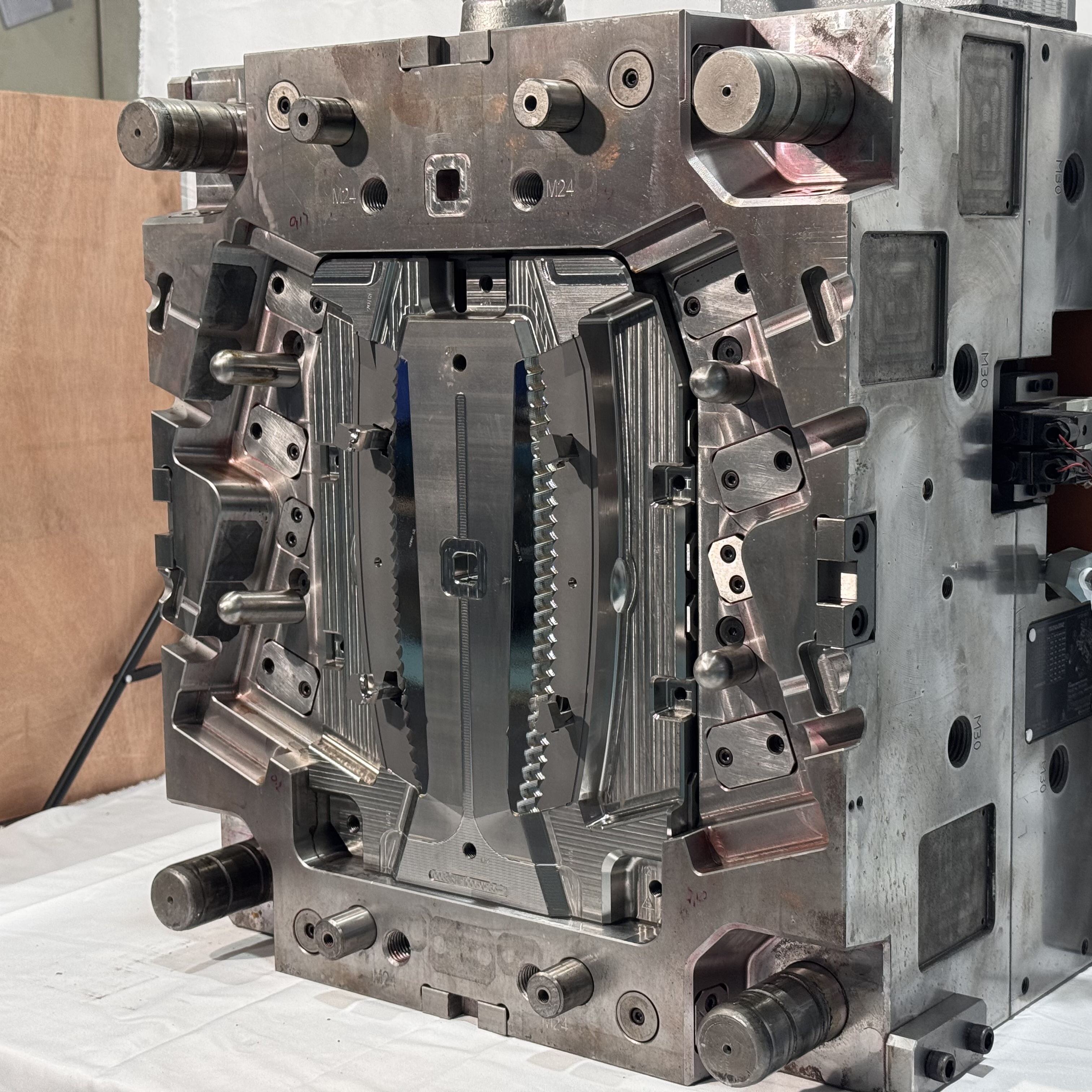
Design flexibility stands as a defining advantage of custom plastic mould technology, empowering product designers and engineers to create innovative solutions unconstrained by the limitations of traditional manufacturing methods. Complex geometries that would prove impossible or prohibitively expensive through machining, casting, or fabrication become feasible and economical with properly designed custom plastic mould tooling. Internal cavities, undercuts, and intricate surface details are achievable through core-pulling mechanisms, lifters, and collapsible cores integrated into custom plastic mould designs, expanding creative possibilities for functional and aesthetic product features. The ability to combine multiple materials within a single custom plastic mould through overmoulding or insert moulding techniques creates parts with varied properties, such as rigid structural sections with soft-touch grips or metal inserts permanently encapsulated in plastic housings. Wall thickness optimization becomes practical with custom plastic mould production, allowing designers to specify thin sections for weight reduction and material savings while maintaining structural integrity through strategic ribbing and reinforcement geometries. Living hinges, integral snap fits, and flexible sections can be incorporated directly into parts produced from custom plastic mould tooling, reducing assembly requirements and component counts in finished products. Aesthetic customization reaches unprecedented levels as custom plastic mould surfaces can be textured, polished, or patterned to create distinctive brand identities, improved grip surfaces, or visually appealing finishes without secondary decorating operations. The material selection flexibility available with custom plastic mould manufacturing enables designers to specify plastics with precise mechanical properties, chemical resistance, temperature tolerance, electrical characteristics, or optical clarity tailored to specific application requirements. Prototyping benefits from rapid custom plastic mould development using aluminum tooling or additive manufacturing techniques that allow design validation and market testing before committing to production-grade steel moulds. Iterative design improvements become economically viable as custom plastic mould modifications can address performance issues, incorporate customer feedback, or adapt to changing requirements throughout a product lifecycle. Color customization occurs at the material level with custom plastic mould production, eliminating painting or coating operations while ensuring consistent color throughout part thickness and across production runs. Branding elements like logos, text, and identification codes are easily integrated into custom plastic mould cavity surfaces, appearing as raised or recessed features on every produced part without additional marking processes.


 EN
EN