Expert Injection Mold Design Services - Precision Tooling Solutions for Manufacturing Excellence

application/injection-mold-design, application/injection-mold-design, 
Get a Quote
Get a Quote

injection mold design

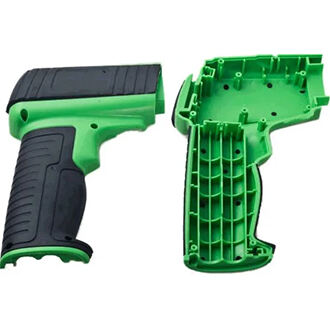
Injection mold design represents a sophisticated engineering process that creates precise tooling systems for manufacturing plastic components through injection molding technology. This critical design phase establishes the blueprint for producing molds that shape molten plastic materials into finished products with exceptional accuracy and consistency. The primary function of injection mold design involves developing detailed specifications for mold cavities, cooling systems, ejection mechanisms, and gating configurations that work together seamlessly during production cycles. Engineers utilize advanced computer-aided design software to create three-dimensional models that account for material flow dynamics, thermal properties, and structural integrity requirements. The technological features embedded within modern injection mold design include sophisticated cooling channel networks that regulate temperature distribution, multi-cavity configurations that enable simultaneous production of multiple parts, and automated ejection systems that facilitate efficient part removal. Strategic gate placement ensures optimal material distribution while minimizing visible marks on finished products. Runner systems guide molten plastic from injection points to mold cavities with minimal waste generation. The applications of injection mold design span numerous industries including automotive manufacturing, consumer electronics, medical devices, packaging solutions, and household goods production. Automotive manufacturers rely on precision-engineered molds to create dashboard components, interior trim pieces, and exterior body panels. Electronics companies utilize specialized mold designs for producing intricate housings, connectors, and protective casings. Medical device producers depend on ultra-precise mold designs that meet stringent regulatory standards for creating surgical instruments, diagnostic equipment components, and pharmaceutical packaging. The versatility of injection mold design accommodates diverse material requirements including thermoplastics, elastomers, and composite materials, enabling manufacturers to select optimal materials for specific performance characteristics and end-use applications.

Popular Products

The advantages of injection mold design deliver substantial practical benefits that directly impact manufacturing efficiency, product quality, and overall profitability for businesses across various sectors. First and foremost, properly executed injection mold design dramatically reduces production costs over extended manufacturing runs by enabling high-volume output with minimal labor intervention. Once the initial tooling investment is complete, manufacturers can produce thousands or even millions of identical parts with remarkable consistency, driving down per-unit costs significantly compared to alternative manufacturing methods. This economy of scale makes injection mold design particularly attractive for companies requiring large quantities of plastic components. The precision achievable through expert injection mold design ensures tight dimensional tolerances that maintain product specifications within microns, eliminating the quality variations that plague less sophisticated manufacturing approaches. This consistency translates directly into reduced rejection rates, lower waste generation, and enhanced customer satisfaction through reliable product performance. Speed represents another compelling advantage, as optimized injection mold design facilitates rapid production cycles that compress time-to-market intervals. Modern mold designs incorporate features that accelerate cooling phases and streamline part ejection, enabling cycle times measured in seconds rather than minutes. This velocity allows manufacturers to respond quickly to market demands and seasonal fluctuations without maintaining excessive inventory levels. Material efficiency gains emerge from thoughtful injection mold design that minimizes runner waste and optimizes gate locations to reduce excess material consumption. These designs calculate precise shot sizes that fill cavities completely while avoiding overflow conditions that generate scrap material requiring disposal or recycling. The flexibility inherent in advanced injection mold design permits manufacturers to adapt quickly to product modifications or design iterations without complete tooling replacements. Modular mold components and interchangeable inserts allow for cost-effective updates that accommodate evolving customer requirements or market preferences. Automation compatibility built into contemporary injection mold design reduces dependency on manual labor while improving workplace safety by minimizing human interaction with high-temperature equipment and moving machinery. Integrated sensors and monitoring systems provide real-time feedback about process parameters, enabling immediate adjustments that maintain optimal production conditions. The surface finish quality achievable through precision injection mold design eliminates or reduces secondary finishing operations, further compressing production timelines and reducing labor expenses. Textured surfaces, logos, and decorative elements can be incorporated directly into mold designs, creating value-added features without additional processing steps.

Latest News

What industries benefit most from professional injection molding companies?

08

May

What industries benefit most from professional injection molding companies?

Manufacturing precision parts at scale requires specialized capabilities that only experienced injection molding companies can deliver. Across global industries, businesses rely on these partnerships to transform raw polymer materials into complex co...
View More
Why do manufacturers rely on plastic moulding for scalable production?

27

May

Why do manufacturers rely on plastic moulding for scalable production?

Manufacturers across industries face a persistent challenge: how to scale production efficiently while maintaining product quality, controlling costs, and meeting rapidly changing market demands. The answer increasingly lies in plastic moulding, a ma...
View More
How Does Mold Making Support Custom Product Development Projects?

27

May

How Does Mold Making Support Custom Product Development Projects?

When businesses set out to develop a new physical product, the path from concept to finished part is rarely straightforward. One of the most critical enabling technologies along that path is mold making. Whether a company is designing a consumer elec...
View More
How does plastic injection molding service optimize production timelines?

27

May

How does plastic injection molding service optimize production timelines?

In today's competitive manufacturing landscape, speed and precision are not optional — they are baseline expectations. A well-structured plastic injection molding service plays a central role in helping manufacturers, product developers, and OE...
View More

Get a Free Quote

Our representative will contact you soon.
0/1000
Advanced Cooling System Integration for Enhanced Production Efficiency

Advanced Cooling System Integration for Enhanced Production Efficiency

The integration of advanced cooling systems within injection mold design represents a transformative feature that fundamentally elevates manufacturing performance and economic returns. Sophisticated cooling channel configurations embedded throughout the mold structure regulate thermal conditions with surgical precision, directly influencing cycle times, part quality, and dimensional stability. Engineers designing these cooling networks employ computational fluid dynamics simulations to map optimal channel placements that achieve uniform temperature distribution across all mold surfaces. This scientific approach prevents the formation of hot spots that cause warping, sink marks, or internal stresses within molded components. Conformal cooling technology, enabled by modern injection mold design capabilities, positions cooling channels in geometric patterns that follow the contours of complex part geometries rather than restricting channels to straight-line paths dictated by conventional drilling methods. This conformal approach maintains consistent wall temperatures even in challenging areas featuring variable thickness sections or intricate three-dimensional shapes. The practical benefits for manufacturers implementing injection mold design with advanced cooling systems include dramatically accelerated production rates that increase output capacity without requiring additional equipment investments. Faster cooling translates directly into shorter cycle times, allowing more parts to be produced within identical timeframes and maximizing return on tooling investments. Temperature control precision delivered by engineered cooling systems in injection mold design also improves dimensional accuracy by minimizing thermal expansion variations and residual stress formation that compromise part specifications. Components manufactured using molds with optimized cooling exhibit superior flatness, reduced shrinkage differentials, and enhanced structural integrity compared to parts produced with inadequate thermal management. Energy efficiency gains represent another significant advantage, as properly designed cooling systems require less chiller capacity and consume reduced electrical power to maintain target temperatures. This efficiency reduces operational expenses while supporting corporate sustainability initiatives aimed at minimizing environmental footprints. Maintenance intervals extend when injection mold design incorporates well-planned cooling systems because consistent thermal conditions reduce thermal cycling stress on mold materials, preventing premature wear and extending tool life expectancy. The strategic positioning of cooling channels also facilitates easier maintenance access for cleaning and servicing operations.
Multi-Cavity Configuration Capabilities for Maximum Output Optimization

Multi-Cavity Configuration Capabilities for Maximum Output Optimization

Multi-cavity configuration capabilities embedded within sophisticated injection mold design deliver unparalleled production scalability that transforms manufacturing economics and competitive positioning. This feature enables the simultaneous production of multiple identical parts during each injection cycle, multiplying output volumes without proportionally increasing cycle times or equipment requirements. The engineering precision required for multi-cavity injection mold design ensures that each cavity receives identical fill conditions, cooling rates, and ejection forces, maintaining quality consistency across all parts produced within single cycles. Achieving this uniformity demands meticulous attention to runner system balancing, gate design symmetry, and thermal management equilibrium throughout the mold structure. Advanced injection mold design utilizes sophisticated flow analysis software to simulate material distribution patterns, identifying and correcting potential imbalances before physical tooling fabrication begins. This predictive capability prevents costly trial-and-error adjustments during production startup phases. The practical advantages for manufacturers adopting multi-cavity injection mold design include exponential increases in production capacity that accommodate growing market demands without requiring additional molding machines or facility expansions. A four-cavity mold quadruples output compared to single-cavity alternatives while utilizing identical raw material quantities and similar energy consumption levels per cycle. This multiplication effect dramatically improves return on investment metrics and accelerates payback periods for tooling expenditures. Labor efficiency gains emerge naturally from multi-cavity injection mold design because operators monitor and service equipment producing multiple parts simultaneously rather than supervising separate machines for equivalent output levels. This consolidation reduces labor costs per unit while freeing human resources for value-added activities like quality assurance and process optimization. Space utilization improvements accompany multi-cavity configurations, as manufacturers achieve higher production volumes within existing facility footprints rather than expanding physical infrastructure to house additional equipment. This spatial efficiency proves particularly valuable in high-cost manufacturing regions where real estate expenses significantly impact operational budgets. Quality consistency represents a fundamental benefit of properly executed multi-cavity injection mold design, as sophisticated balancing techniques ensure uniform part characteristics regardless of cavity position within the mold. This consistency eliminates sorting operations and reduces customer complaints related to performance variations between supposedly identical components.
Precision Gate Design and Strategic Placement for Superior Part Aesthetics

Precision Gate Design and Strategic Placement for Superior Part Aesthetics

Precision gate design and strategic placement constitute critical elements within comprehensive injection mold design that profoundly influence both aesthetic outcomes and functional performance of manufactured components. The gate serves as the entry point where molten plastic material enters the mold cavity, making its design and location pivotal factors affecting material flow patterns, surface finish quality, and structural integrity. Expert injection mold design carefully evaluates multiple gate positioning options through advanced simulation tools that predict fill patterns, weld line formations, and potential defect locations before committing to final configurations. This analytical approach prevents costly modifications after tooling completion. Strategic gate placement within injection mold design minimizes visible witness marks on cosmetically critical surfaces by positioning injection points in inconspicuous locations or areas that will be hidden during product assembly. For consumer-facing products where appearance directly impacts purchasing decisions, this consideration proves invaluable for maintaining brand perception and product differentiation. Gate design variations available within modern injection mold design include edge gates, submarine gates, hot runner systems, and valve gate technologies, each offering distinct advantages for specific applications. Edge gates provide simplicity and easy access for maintenance while submarine gates automatically separate from parts during ejection, eliminating secondary trimming operations. Hot runner systems incorporated into advanced injection mold design maintain material in molten state throughout the distribution network, eliminating runner waste and reducing material consumption significantly. This technology proves particularly advantageous for expensive engineering resins where material costs constitute substantial portions of production expenses. The environmental benefits accompanying hot runner injection mold design include reduced plastic waste generation and lower energy requirements for material reprocessing. Valve gate technology enables precise control over injection timing and flow rates, preventing premature cavity filling that causes cosmetic defects or incomplete packing. The size and geometry of gates designed within injection mold design directly affect material shear rates and resulting molecular orientation, influencing mechanical properties like impact resistance and tensile strength. Properly sized gates balance competing requirements for adequate fill rates against excessive shear heating that degrades material properties. The practical benefits for customers utilizing products manufactured through optimized injection mold design with precision gate placement include superior surface finishes requiring no secondary painting or coating operations, structural integrity enhancements that extend product service life, and aesthetic consistency that reinforces brand quality perceptions across product lines.