Injection Molding Production: Precision Manufacturing Solutions for Cost-Effective Plastic Components

application/injection-molding-production, application/injection-molding-production, 
Get a Quote
Get a Quote

injection molding production

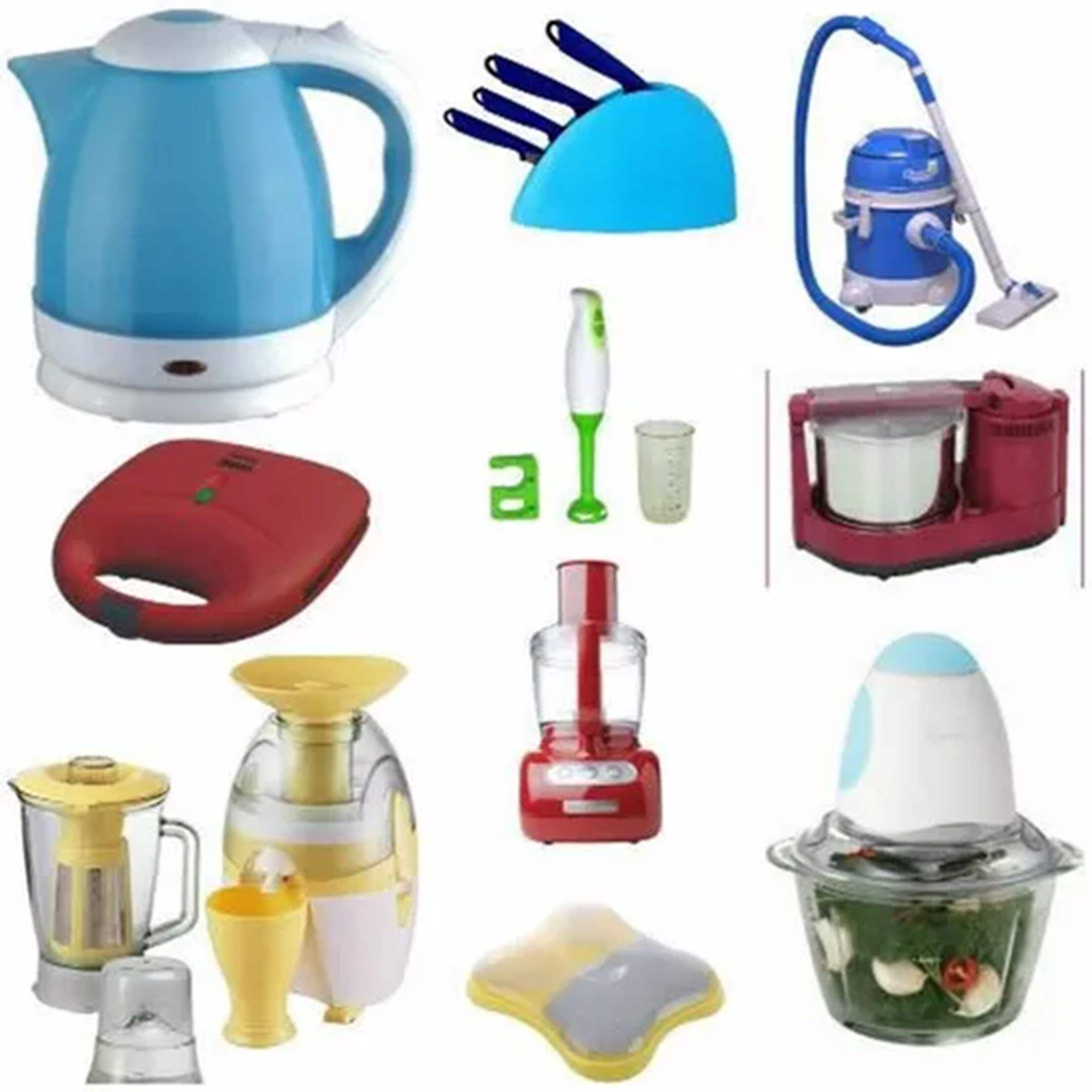
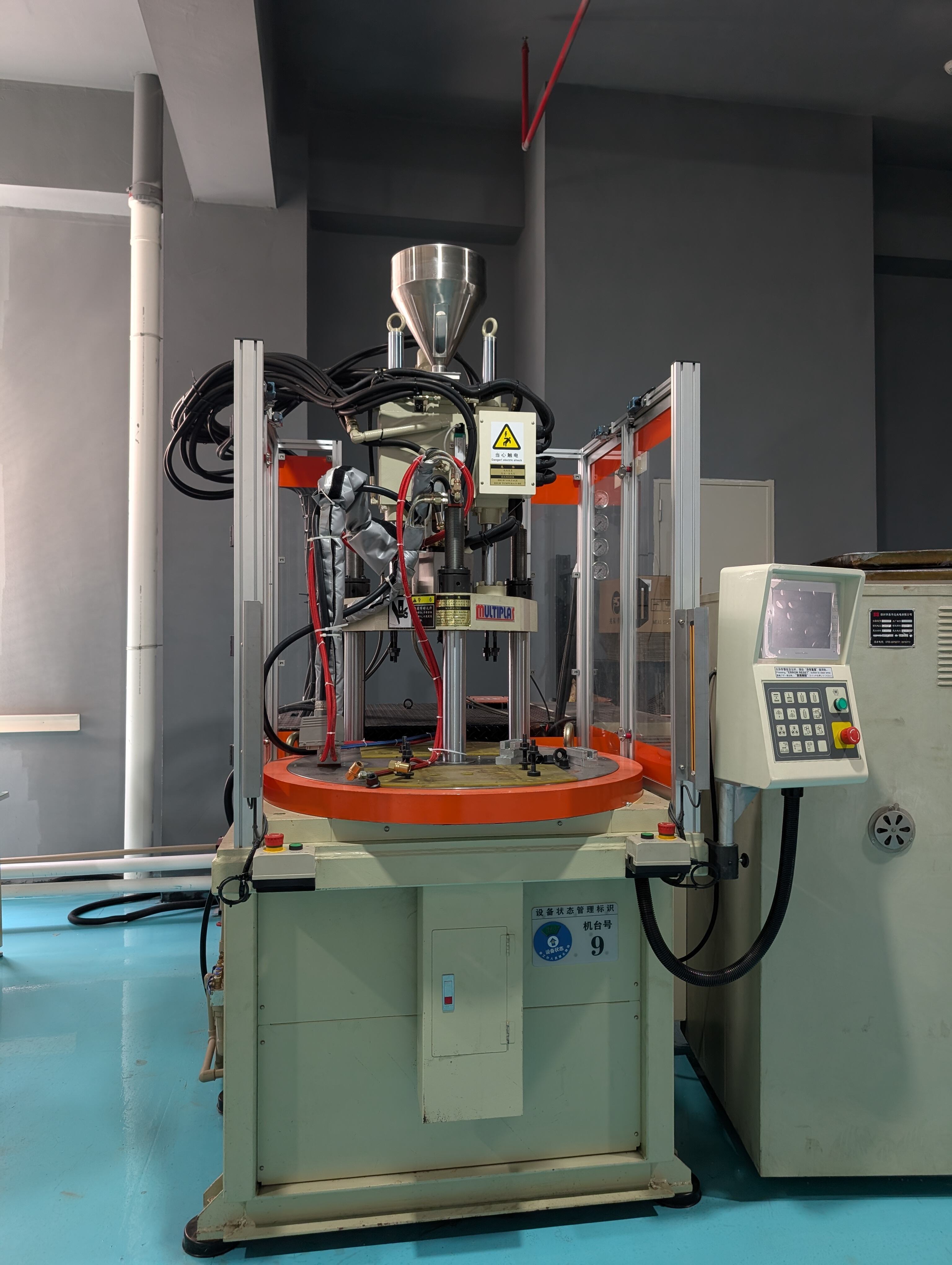
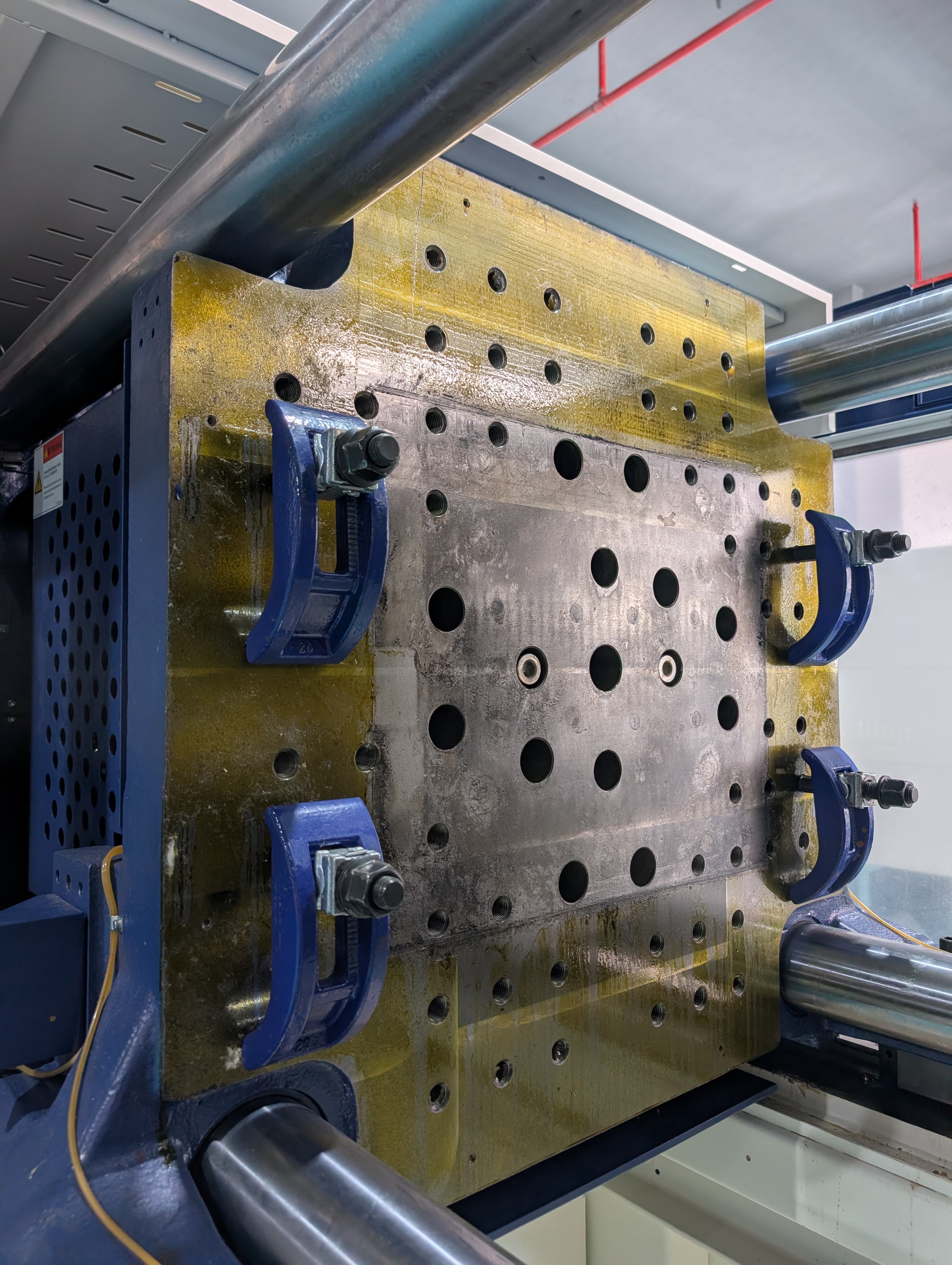
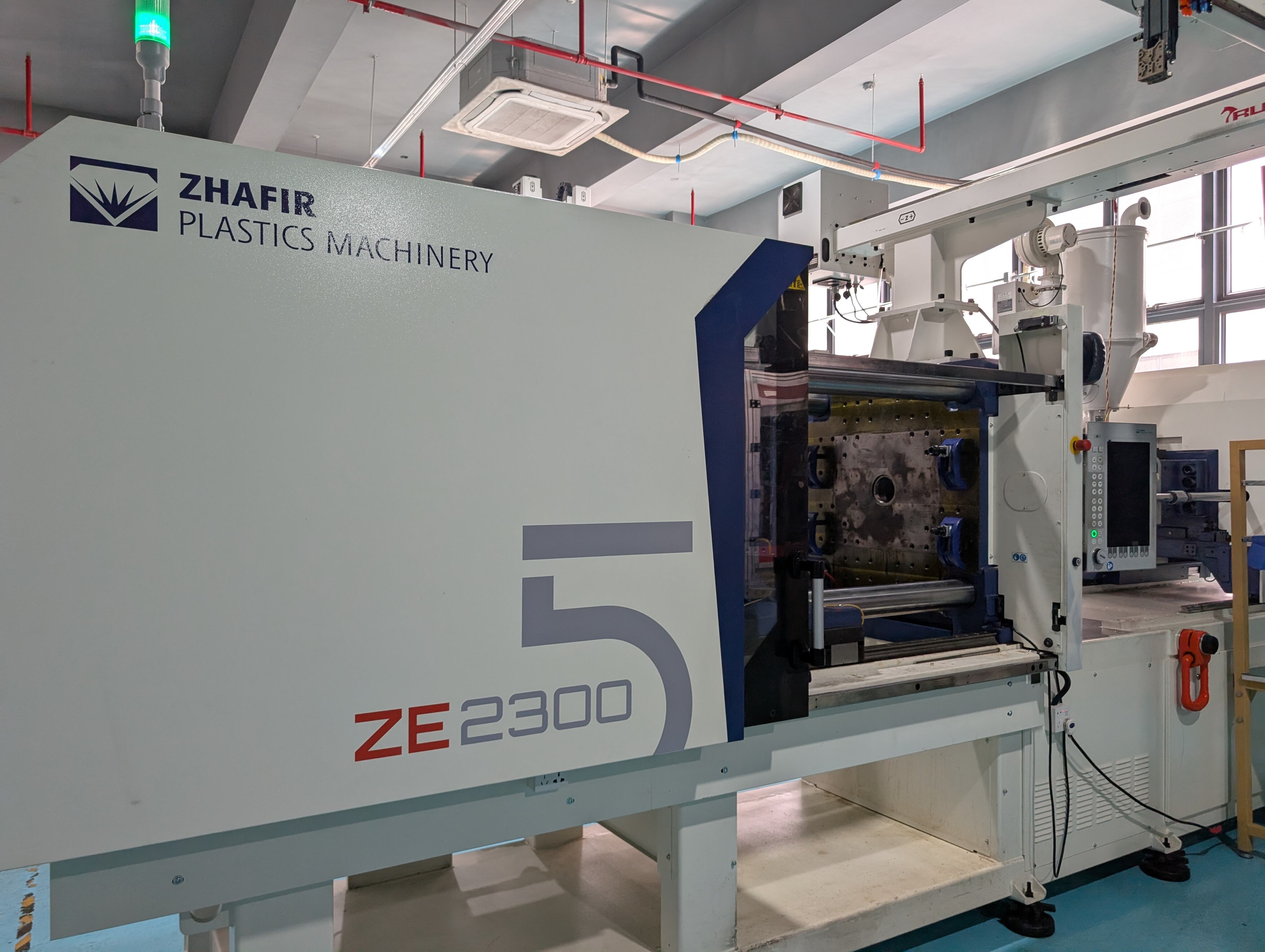
Injection molding production represents one of the most versatile and efficient manufacturing processes in modern industry. This sophisticated method involves melting raw plastic materials and injecting them under high pressure into precisely engineered molds, where they cool and solidify into finished products. The injection molding production process has revolutionized how we manufacture everything from tiny medical components to large automotive parts. At its core, this manufacturing technique combines speed, precision, and repeatability to deliver consistent results across millions of production cycles. The main functions of injection molding production include creating complex geometries that would be impossible or impractical with other manufacturing methods, producing large quantities of identical parts rapidly, and maintaining tight tolerances that ensure each piece meets exact specifications. The technological features of injection molding production are remarkable and continually evolving. Modern systems incorporate computer-controlled machinery that monitors temperature, pressure, and timing with incredible accuracy. Advanced mold designs feature multiple cavities, allowing simultaneous production of several parts in each cycle. Hot runner systems eliminate waste by keeping plastic molten in the channels between injection points. The applications of injection molding production span virtually every industry imaginable. Consumer electronics rely on this process for housings, buttons, and internal components. The automotive sector uses injection molding production for dashboard elements, exterior trim, and under-hood components. Medical device manufacturers depend on this technology for syringes, surgical instruments, and diagnostic equipment housings. Packaging industries create billions of containers, caps, and closures through injection molding production. Toys, household goods, power tools, and countless other products begin their existence in injection molds. The process accommodates an extensive range of thermoplastic materials, each selected for specific properties like strength, flexibility, temperature resistance, or transparency. This material versatility, combined with the ability to add colorants, fillers, and reinforcements, makes injection molding production an indispensable manufacturing solution for companies seeking reliable, cost-effective production of plastic components.

New Product Recommendations

Injection molding production offers remarkable speed that directly translates to lower costs for your business. Once the initial setup completes, each cycle takes only seconds to minutes, allowing manufacturers to produce thousands or even millions of identical parts quickly. This rapid production capability means you can meet tight deadlines and respond swiftly to market demands without compromising quality. The consistency achieved through injection molding production ensures every single part matches the specifications exactly, eliminating the variations that plague manual manufacturing methods. When you order 10,000 components, you receive 10,000 identical pieces that fit perfectly every time. This reliability reduces assembly problems, minimizes quality control rejections, and strengthens your brand reputation. The design flexibility inherent in injection molding production empowers you to create intricate shapes, thin walls, complex curves, and detailed surface textures that other processes simply cannot achieve. Your product can feature logos, text, patterns, and functional elements molded directly into the part, eliminating secondary operations like printing or assembly. This consolidation of features into a single molded component reduces your overall production steps and associated costs. Material efficiency stands out as another significant advantage of injection molding production. The process generates minimal waste because excess material can be reground and reused. Unlike subtractive manufacturing methods that cut away material, injection molding production uses nearly all the plastic you purchase, maximizing your raw material investment. The ability to select from hundreds of different plastic materials and additives means you can optimize each product for its specific application. Need impact resistance? Chemical resistance? UV stability? Flexibility? Transparency? Injection molding production accommodates all these requirements through appropriate material selection. Labor costs decrease substantially with injection molding production because the process requires minimal human intervention once production begins. Automated systems handle injection, cooling, ejection, and often packaging, freeing your workforce for higher-value tasks. This automation also improves workplace safety by reducing worker exposure to hot materials and repetitive motions. The durability of injection molds themselves provides long-term value. Quality molds produce hundreds of thousands or millions of parts before requiring maintenance or replacement, spreading the initial tooling investment across enormous production volumes. For high-volume needs, this makes injection molding production extremely economical. Surface finish quality emerges directly from the mold, often eliminating painting, polishing, or other finishing operations. Your parts can have smooth, glossy, textured, or matte surfaces as designed, reducing post-production handling and costs while accelerating time to market.

Tips And Tricks

What makes custom injection molding a cost-effective production solution?

29

Apr

What makes custom injection molding a cost-effective production solution?

Manufacturing decision-makers constantly seek production methods that balance quality, speed, and economic efficiency. Custom injection molding has emerged as a dominant solution across industries ranging from automotive and medical devices to consum...
View More
Why choose a plastic molding company for large-scale production needs?

08

May

Why choose a plastic molding company for large-scale production needs?

Manufacturing leaders tasked with scaling production volumes face a pivotal decision: whether to invest in in-house tooling infrastructure or partner with a specialized plastic molding company. Large-scale production demands not only high output capa...
View More
Can injection molding companies handle complex multi-industry demands?

27

May

Can injection molding companies handle complex multi-industry demands?

Modern manufacturing landscapes present unique challenges that test the operational boundaries of production facilities across sectors. As businesses expand into diverse markets—from medical devices to automotive components, consumer electronic...
View More
What Are the Key Steps Involved in Professional Mold Making?

27

May

What Are the Key Steps Involved in Professional Mold Making?

Professional mold making is one of the most technically demanding disciplines in modern manufacturing. Whether you are producing plastic components, rubber parts, or composite structures, the quality of the mold directly determines the quality, consi...
View More

Get a Free Quote

Our representative will contact you soon.
0/1000
Exceptional Cost Efficiency for High-Volume Manufacturing

Exceptional Cost Efficiency for High-Volume Manufacturing

When businesses evaluate manufacturing methods for plastic components, the cost per unit becomes a critical decision factor. Injection molding production delivers unmatched cost efficiency specifically for medium to high-volume production runs, making it the preferred choice for companies seeking to maximize their manufacturing budget. The economics of injection molding production stem from several interconnected factors that work together to drive down unit costs as volume increases. Initially, the process requires investment in mold creation, which involves skilled toolmakers designing and machining precision steel or aluminum molds. While this upfront cost might seem substantial, it becomes negligible when distributed across thousands or millions of parts. Once your mold enters production, the cost per piece drops dramatically because each cycle produces parts in seconds with minimal material waste and labor input. The injection molding production cycle itself exemplifies efficiency. Automated machinery melts plastic pellets, injects the molten material into the closed mold under controlled pressure, holds the pressure while the part cools, then opens the mold and ejects the finished component. This entire sequence repeats consistently, hour after hour, with minimal human supervision required. Modern injection molding production facilities operate continuously, maximizing equipment utilization and further reducing the cost attributed to each individual part. Material costs remain controlled because injection molding production uses precise amounts of plastic for each part, with runner systems designed to minimize excess. Any sprues, runners, or defective parts can be ground and reintroduced into the production stream, ensuring almost zero material waste. This recycling capability not only reduces costs but also supports environmental sustainability goals that increasingly matter to consumers and regulatory bodies. Labor expenses stay minimal throughout injection molding production because one operator can oversee multiple machines simultaneously. The automated nature of the process eliminates the need for skilled labor to handle each individual part, unlike manual fabrication methods. This labor efficiency becomes especially valuable in regions with high wage rates, allowing companies to maintain domestic production while remaining price competitive. The consistency of injection molding production also generates indirect cost savings by reducing quality control requirements, minimizing customer returns, and eliminating expensive rework. When every part meets specifications, your business avoids the hidden costs of defects that erode profitability and damage customer relationships.
Superior Product Quality and Dimensional Precision

Superior Product Quality and Dimensional Precision

Quality and precision represent non-negotiable requirements in modern manufacturing, where components must fit together perfectly and perform reliably throughout their service life. Injection molding production excels at delivering both attributes consistently, making it the manufacturing method of choice when dimensional accuracy and surface quality matter. The precision of injection molding production begins with the mold itself, which skilled craftsmen create using advanced CNC machining, electrical discharge machining, and meticulous hand-finishing techniques. These molds achieve tolerances measured in thousandths of an inch, ensuring that every cavity dimension precisely matches your specifications. When molten plastic fills these cavities under controlled pressure and temperature, it replicates every detail of the mold surface, transferring that precision to your finished parts. Modern injection molding production equipment incorporates sophisticated sensors and control systems that monitor and adjust dozens of parameters in real-time. Temperature controllers maintain the melt at optimal fluidity, pressure sensors ensure complete cavity filling, and timers regulate cooling periods to prevent warping or dimensional changes. This level of process control eliminates the human variability that affects manual manufacturing methods, delivering identical parts from the first shot to the millionth. The dimensional stability of parts produced through injection molding production surpasses that of many alternative processes. Because the plastic solidifies within a rigid mold under controlled conditions, the resulting components maintain their shape and size throughout their lifecycle. This stability proves crucial for assemblies with tight tolerances, where even minor dimensional variations cause fit problems, operational issues, or premature failure. Surface finish quality emerges as another hallmark of injection molding production. The mold surface can be polished to mirror smoothness, textured with specific patterns, or finished with any appearance between these extremes. Whatever surface you specify transfers directly to your molded parts without additional finishing operations. This capability eliminates secondary processes like sanding, painting, or polishing that add cost, time, and variability to production. Complex geometries that challenge or defeat other manufacturing methods pose no problems for injection molding production. Undercuts, threads, hinges, snap fits, and intricate details can all be incorporated into a single molded component through careful mold design. This design freedom allows engineers to optimize products for function and aesthetics simultaneously, creating parts that perform better and look more appealing than those produced through conventional methods. Quality consistency across production runs represents perhaps the most valuable aspect of injection molding production. Whether you order parts today or three years from now, they will match exactly, ensuring your assembly processes remain smooth and your products maintain consistent performance.
Remarkable Design Flexibility and Material Versatility

Remarkable Design Flexibility and Material Versatility

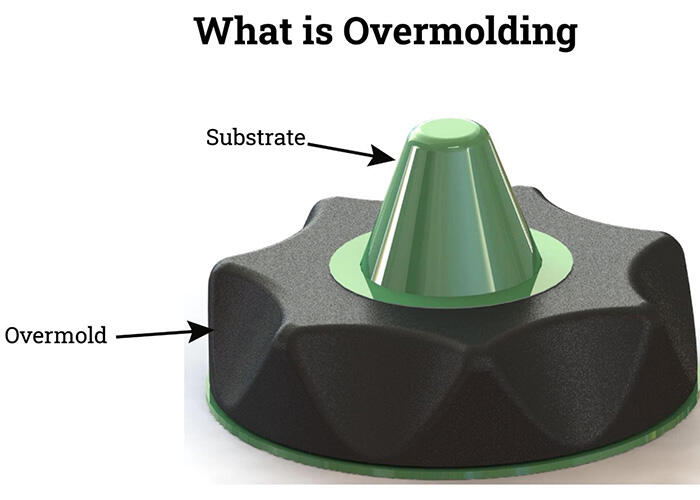
Innovation drives business success, and the ability to transform creative concepts into physical products quickly and economically separates market leaders from followers. Injection molding production provides designers and engineers with extraordinary flexibility to develop products that meet functional requirements while appealing to customer preferences. This manufacturing method accommodates virtually any shape imaginable, limited only by the fundamental principles of mold design and plastic flow. The design possibilities within injection molding production extend far beyond simple shapes. Engineers can create parts with varying wall thicknesses, complex internal structures, multiple components molded simultaneously, and integrated features that eliminate assembly steps. Living hinges, snap fits, threads, logos, text, and decorative elements can all be incorporated directly into the molded part, reducing your bill of materials and simplifying production. This consolidation of features into single components reduces assembly time, eliminates fasteners, and creates cleaner product designs that consumers appreciate. Material selection represents another dimension of flexibility in injection molding production. Hundreds of different thermoplastic resins are available, each offering distinct properties suited to specific applications. Engineering grades provide exceptional strength and heat resistance for demanding environments. Flexible materials create soft-touch surfaces and resilient components. Transparent resins enable see-through housings and lenses. Specialized compounds offer chemical resistance, electrical conductivity, flame retardance, or ultraviolet stability. Beyond base resins, injection molding production accommodates additives that modify properties or appearance. Glass fibers increase strength and stiffness, mineral fillers reduce costs while improving dimensional stability, and colorants create any shade imaginable without painting. Antimicrobial additives protect medical and food-contact applications, while UV stabilizers extend outdoor service life. This ability to customize material properties for each application ensures optimal performance at the lowest cost. The rapid prototyping capabilities associated with injection molding production accelerate product development cycles. Prototype molds can be created quickly using aluminum or other soft tooling materials, allowing you to test designs with production-intent materials before committing to expensive steel tooling. This iterative approach reduces development risk and ensures your final design meets all performance, aesthetic, and manufacturing requirements. Multi-material and multi-color injection molding production techniques enable even greater design sophistication. Overmolding creates products with hard structural cores and soft grip surfaces in a single operation. Two-shot molding produces parts with multiple colors or materials without assembly. Insert molding encapsulates metal components within plastic housings, creating robust assemblies with excellent environmental sealing. The scalability of injection molding production supports your business growth by accommodating volume changes without process modifications. The same mold that produces prototypes can manufacture millions of production parts, ensuring consistency from development through full-scale manufacturing while protecting your tooling investment across your product lifecycle.