optical lens mold
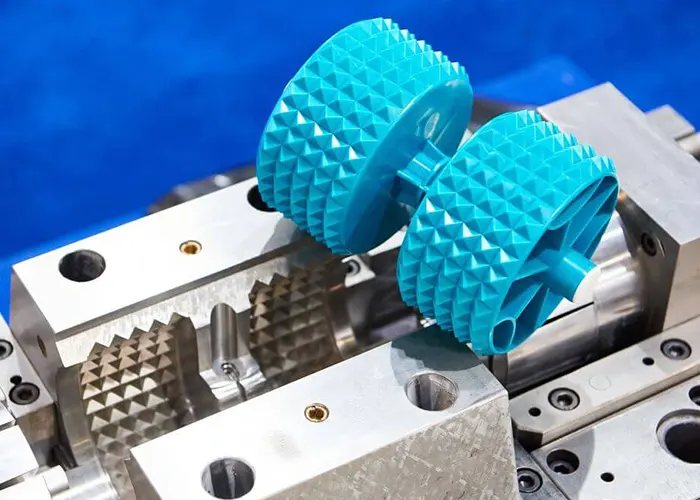
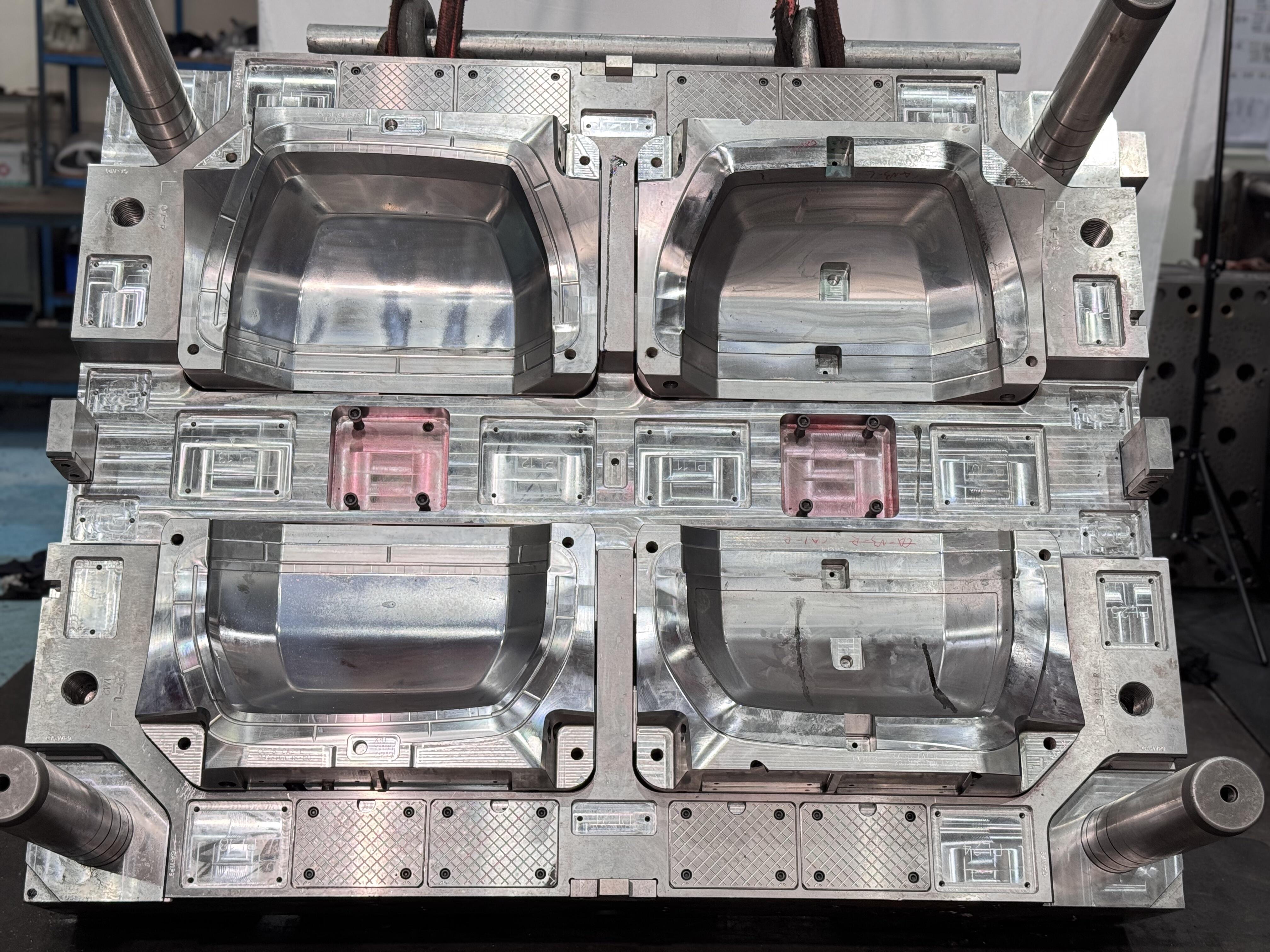
An optical lens mold represents a precision-engineered tool designed specifically for manufacturing high-quality lenses used across diverse industries. This specialized mold serves as the foundation for creating optical components that demand exceptional clarity, dimensional accuracy, and surface finish. The optical lens mold functions as a negative form that shapes molten materials into precise lens geometries during production processes. These molds enable manufacturers to produce consistent, repeatable results while maintaining strict tolerances required for optical applications. The primary function of an optical lens mold involves transforming raw materials such as optical glass, plastic polymers, or composite materials into finished lens products through processes like injection molding, compression molding, or precision glass molding. Each optical lens mold incorporates sophisticated design elements that account for material shrinkage, thermal expansion, and optical properties to ensure the final product meets exacting specifications. Technological features of modern optical lens mold systems include advanced cooling channels that regulate temperature distribution, precision polishing that achieves mirror-like surface finishes, and multi-cavity configurations that enable simultaneous production of multiple lenses. The mold construction typically utilizes hardened steel, carbide, or specialized alloys selected for their durability and thermal stability. Applications for optical lens mold technology span numerous sectors including consumer electronics where smartphone camera lenses require mass production, automotive industries for headlight and sensor lenses, medical devices requiring sterile optical components, photography equipment, virtual reality headsets, and industrial imaging systems. The versatility of optical lens mold technology allows manufacturers to produce everything from miniature lenses measuring mere millimeters to large-format optical elements. Quality control measures integrated into optical lens mold design ensure consistent optical performance across production runs, reducing waste and maximizing manufacturing efficiency while meeting international standards for optical precision.



 EN
EN