Professional Mold Manufacturing Services - Precision Tools for Quality Production

application/mold-manufacturing, application/mold-manufacturing, 
Get a Quote
Get a Quote

mold manufacturing

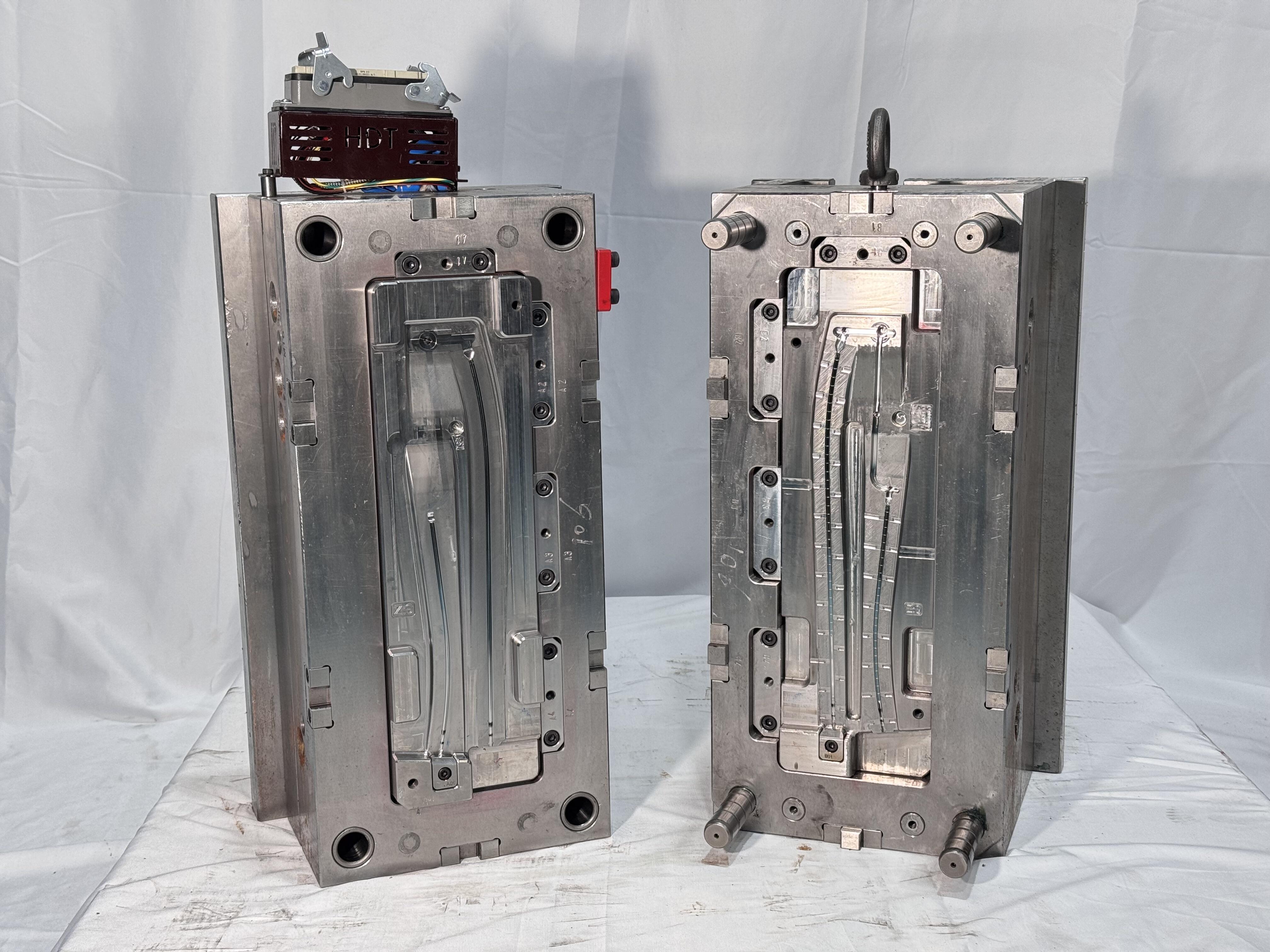
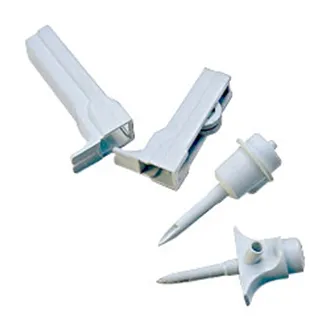
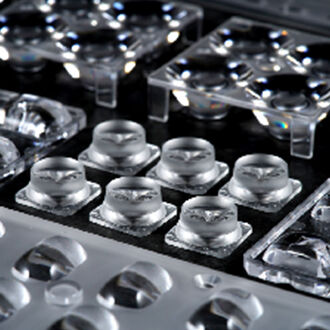
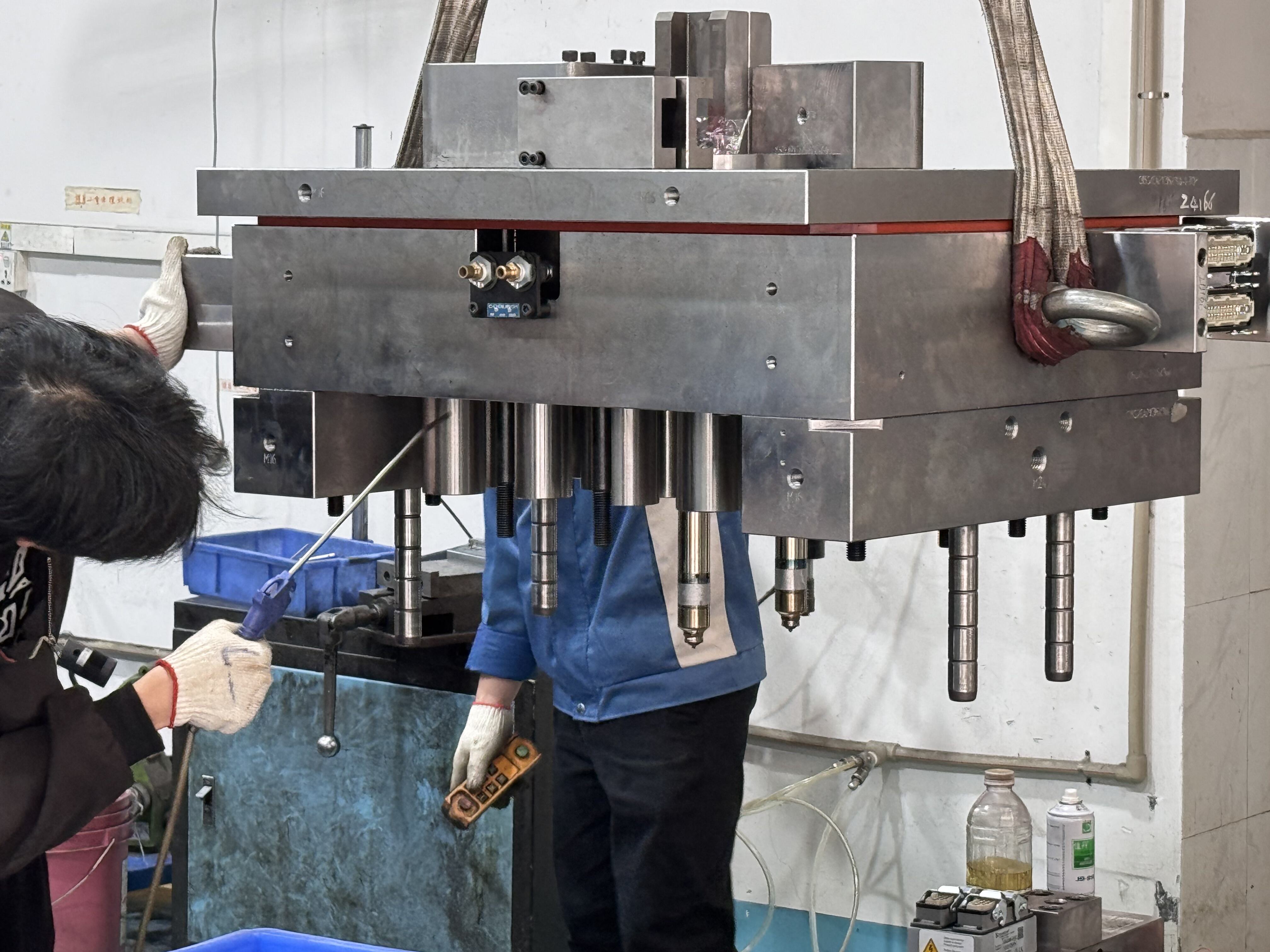
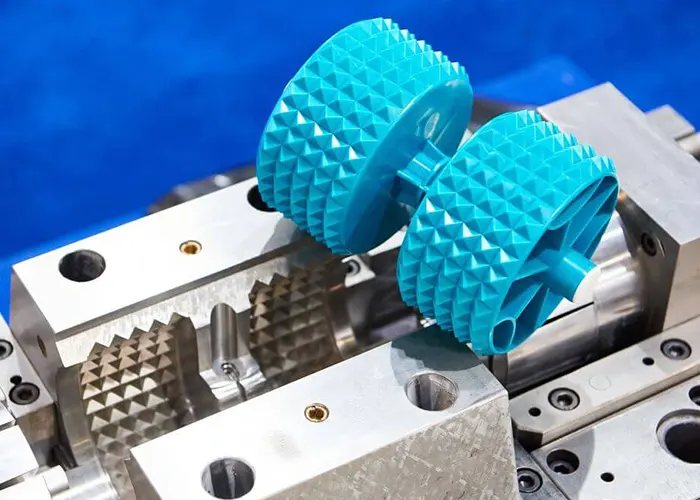
Mold manufacturing represents a critical industrial process that involves designing and creating precise tools used to shape materials into specific forms through various production methods. This sophisticated engineering discipline combines advanced technology with skilled craftsmanship to produce molds that serve as the foundation for mass production across numerous industries. The main functions of mold manufacturing include creating cavities and cores that define product geometry, ensuring dimensional accuracy, facilitating efficient material flow, and enabling consistent replication of parts. Modern mold manufacturing employs computer-aided design software, precision machining equipment, and quality control systems to achieve exceptional results. The technological features encompass CNC machining capabilities, electrical discharge machining for complex geometries, high-speed milling for reduced production time, and advanced surface finishing techniques that ensure optimal part release and longevity. Temperature control systems integrated into molds maintain consistent processing conditions, while ejection mechanisms facilitate smooth part removal without damage. The applications of mold manufacturing span diverse sectors including automotive production where molds create interior components and exterior panels, consumer electronics manufacturing for device housings and intricate parts, medical device production requiring sterile and precise components, packaging industry for containers and closures, aerospace sector for lightweight structural elements, and construction materials for standardized building components. Each application demands specific mold characteristics tailored to material properties, production volume requirements, and quality standards. The mold manufacturing process begins with detailed product analysis, progresses through design optimization, material selection, precision machining, assembly, testing, and finally validation before full-scale production. This comprehensive approach ensures that manufactured molds meet exacting specifications while delivering long-term reliability and cost-effectiveness for businesses seeking competitive advantages in their respective markets.

New Products

Choosing professional mold manufacturing services delivers substantial benefits that directly impact your production efficiency and bottom line. First and foremost, you gain access to precision-engineered tools that produce consistent parts with minimal variation, eliminating costly defects and reducing material waste significantly. This consistency means every product meets your exact specifications, building customer trust and reducing returns. The durability of professionally manufactured molds translates to extended service life, allowing you to produce hundreds of thousands or even millions of parts from a single mold before replacement becomes necessary. This longevity spreads your initial investment across a massive production volume, dramatically lowering your per-unit manufacturing costs. Speed to market improves considerably because expertly designed molds optimize cycle times, enabling faster production runs that help you respond quickly to market demands and seasonal fluctuations. You also benefit from reduced labor requirements since automated molding processes need fewer operators compared to alternative manufacturing methods, freeing your workforce for value-added activities. Energy efficiency represents another practical advantage, as modern mold manufacturing incorporates thermal management systems that minimize energy consumption during production cycles, directly reducing your operational expenses. The flexibility inherent in mold manufacturing allows you to produce complex geometries that would be difficult or impossible with other methods, expanding your design possibilities and enabling product innovation. Material versatility means you can work with plastics, metals, composites, and other materials using appropriate mold manufacturing techniques, giving you options to select the best material for each application. Quality assurance becomes simpler because molds produce predictable results, making inspection and testing more straightforward while reducing quality control costs. Scalability offers tremendous value as you can quickly ramp up production volumes without sacrificing quality, supporting business growth without major equipment changes. Environmental benefits emerge from reduced material waste and the ability to use recycled materials in many molding processes, helping you meet sustainability goals. The technical support provided by experienced mold manufacturers ensures you optimize your production parameters, troubleshoot issues quickly, and maintain peak performance throughout the mold lifecycle, protecting your investment and maximizing returns.

Tips And Tricks

What makes custom injection molding a cost-effective production solution?

29

Apr

What makes custom injection molding a cost-effective production solution?

Manufacturing decision-makers constantly seek production methods that balance quality, speed, and economic efficiency. Custom injection molding has emerged as a dominant solution across industries ranging from automotive and medical devices to consum...
View More
What are the key advantages of custom plastic injection molding services?

29

Apr

What are the key advantages of custom plastic injection molding services?

Custom plastic injection molding has become the cornerstone of modern manufacturing across diverse industries, from automotive and medical devices to consumer electronics and industrial equipment. Understanding the key advantages of this versatile ma...
View More
What industries benefit most from professional injection molding companies?

08

May

What industries benefit most from professional injection molding companies?

Manufacturing precision parts at scale requires specialized capabilities that only experienced injection molding companies can deliver. Across global industries, businesses rely on these partnerships to transform raw polymer materials into complex co...
View More
How does plastic moulding reduce material waste in mass production?

08

May

How does plastic moulding reduce material waste in mass production?

In modern manufacturing environments, controlling material waste has become a strategic priority that directly impacts profitability, sustainability credentials, and operational efficiency. Plastic moulding stands as one of the most waste-efficient p...
View More

Get a Free Quote

Our representative will contact you soon.
0/1000
Advanced Precision Engineering Technology

Advanced Precision Engineering Technology

The cornerstone of modern mold manufacturing lies in advanced precision engineering technology that revolutionizes how products are created across industries. This technological sophistication begins with three-dimensional computer-aided design systems that allow engineers to visualize every aspect of the mold before any physical work begins, identifying potential issues and optimizing designs for maximum efficiency. The digital modeling process enables simulation of material flow, cooling patterns, and stress distribution, ensuring the final mold performs exactly as intended. Once designs are finalized, computer numerical control machining centers execute complex cutting operations with accuracy measured in microns, creating intricate cavities and cores that would be impossible to achieve through manual methods. These automated systems work continuously with consistent precision, eliminating human error and variability. Wire electrical discharge machining technology complements traditional cutting by creating features in hardened steel that conventional tools cannot touch, enabling complex internal passages for cooling systems and intricate surface details. High-speed milling reduces production time substantially while maintaining exceptional surface quality, accelerating your time to market. Coordinate measuring machines verify every dimension against specifications, providing documented proof of quality and ensuring regulatory compliance for industries with strict standards. Surface finishing techniques including polishing, texturing, and coating application enhance mold performance by facilitating part release, reducing friction, and extending service life. Temperature control integration represents a critical technological feature, with precisely placed cooling channels that maintain uniform temperatures throughout the molding cycle, preventing defects caused by thermal variations. Sensor systems monitor critical parameters in real-time, providing data for process optimization and predictive maintenance. The importance of this precision engineering technology cannot be overstated because it directly determines product quality, production efficiency, and ultimately your competitive position in the marketplace. Customers benefit from reduced development time, lower production costs, superior product quality, and the confidence that comes from working with cutting-edge manufacturing capabilities that keep pace with evolving market demands and technical requirements.
Customization Capability for Unique Applications

Customization Capability for Unique Applications

One of the most valuable aspects of professional mold manufacturing is the extensive customization capability that addresses unique application requirements across diverse industries and product categories. Unlike standardized solutions that force compromise, custom mold manufacturing begins with a thorough understanding of your specific needs, including product geometry, material characteristics, production volume, quality standards, and operational constraints. Engineers collaborate with you to translate your vision into practical designs that optimize functionality while controlling costs. This consultative approach ensures the final mold aligns perfectly with your objectives rather than forcing your product to fit generic tooling. Material selection for the mold itself can be customized based on your production requirements, with options ranging from aluminum for prototype and low-volume applications to hardened tool steel for high-volume production demanding maximum durability. Surface treatments and coatings can be applied to enhance wear resistance, improve part release, or create specific surface characteristics on molded products. Customization extends to the number of cavities in the mold, allowing you to balance initial investment against production speed based on your volume projections and budget constraints. Single-cavity molds offer lower upfront costs suitable for specialized products, while multi-cavity designs dramatically increase output for high-demand items. The ejection system can be tailored to your product geometry, ensuring reliable part removal without damage using mechanical pins, air assist, or robotic systems as appropriate. Cooling channel design receives particular attention in custom mold manufacturing, with configurations optimized for your specific material and cycle time requirements. Conformal cooling channels following complex product contours can be incorporated using advanced manufacturing techniques, dramatically improving cooling efficiency and reducing cycle times. Hot runner systems can be integrated for materials that benefit from maintained temperatures, eliminating runner waste and improving material efficiency. The customization capability proves especially important for products with unique features such as threaded components requiring unscrewing mechanisms, overmolded assemblies combining multiple materials, or insert molding incorporating metal components into plastic parts. This flexibility empowers you to bring innovative products to market that differentiate your brand and meet customer needs more effectively than competitors using standard approaches.
Long-Term Cost Efficiency and Return on Investment

Long-Term Cost Efficiency and Return on Investment

Understanding the long-term cost efficiency and return on investment associated with professional mold manufacturing reveals why forward-thinking businesses prioritize quality tooling despite higher initial costs. The financial benefits accumulate over the mold lifecycle through multiple mechanisms that impact your profitability substantially. Initial investment in precision mold manufacturing pays dividends immediately through reduced scrap rates, as accurately produced molds generate parts within specification from the first production run, eliminating the material waste and lost production time associated with inferior tooling. Each defective part represents wasted material, wasted energy, wasted labor, and potentially damaged customer relationships, making defect prevention through quality molds exceptionally valuable. The extended operational life of professionally manufactured molds spreads acquisition costs across enormous production volumes, with well-maintained molds capable of producing millions of cycles before requiring replacement. This longevity dramatically reduces your per-unit tooling cost, creating a compelling economic advantage especially for high-volume products. Reduced cycle times enabled by optimized cooling systems and efficient designs mean you produce more parts per hour, maximizing equipment utilization and labor productivity. Every second saved per cycle multiplies across thousands of production runs, generating substantial time savings that translate directly to increased capacity and revenue potential. Lower maintenance requirements represent another cost advantage, as precision-manufactured molds with proper heat treatment and surface finishes resist wear and damage, reducing downtime for repairs and extending intervals between service. Predictable performance means you can schedule maintenance during planned downtime rather than responding to unexpected failures that disrupt production schedules and disappoint customers. Energy efficiency contributes to ongoing savings, with modern mold designs incorporating thermal management that minimizes heating and cooling energy while maintaining optimal processing conditions. These operational savings compound over years of production, often exceeding the initial mold cost many times over. The ability to produce complex parts in single operations eliminates secondary processing steps that add cost and time, streamlining your manufacturing workflow and reducing handling damage risks. Quality consistency reduces inspection requirements and warranty claims, protecting profit margins and brand reputation. The flexibility to adjust production volumes without quality degradation means you can respond to market opportunities quickly, capturing sales that competitors with inferior tooling cannot fulfill. Businesses that view mold manufacturing as a strategic investment rather than a commodity purchase gain competitive advantages through superior product quality, lower production costs, faster market response, and enhanced innovation capabilities that drive long-term success and market leadership.