Automotive Injection Molding Solutions - Precision Manufacturing for Modern Vehicles

application/automotive-injection-molding, application/automotive-injection-molding, 
Get a Quote
Get a Quote

automotive injection molding

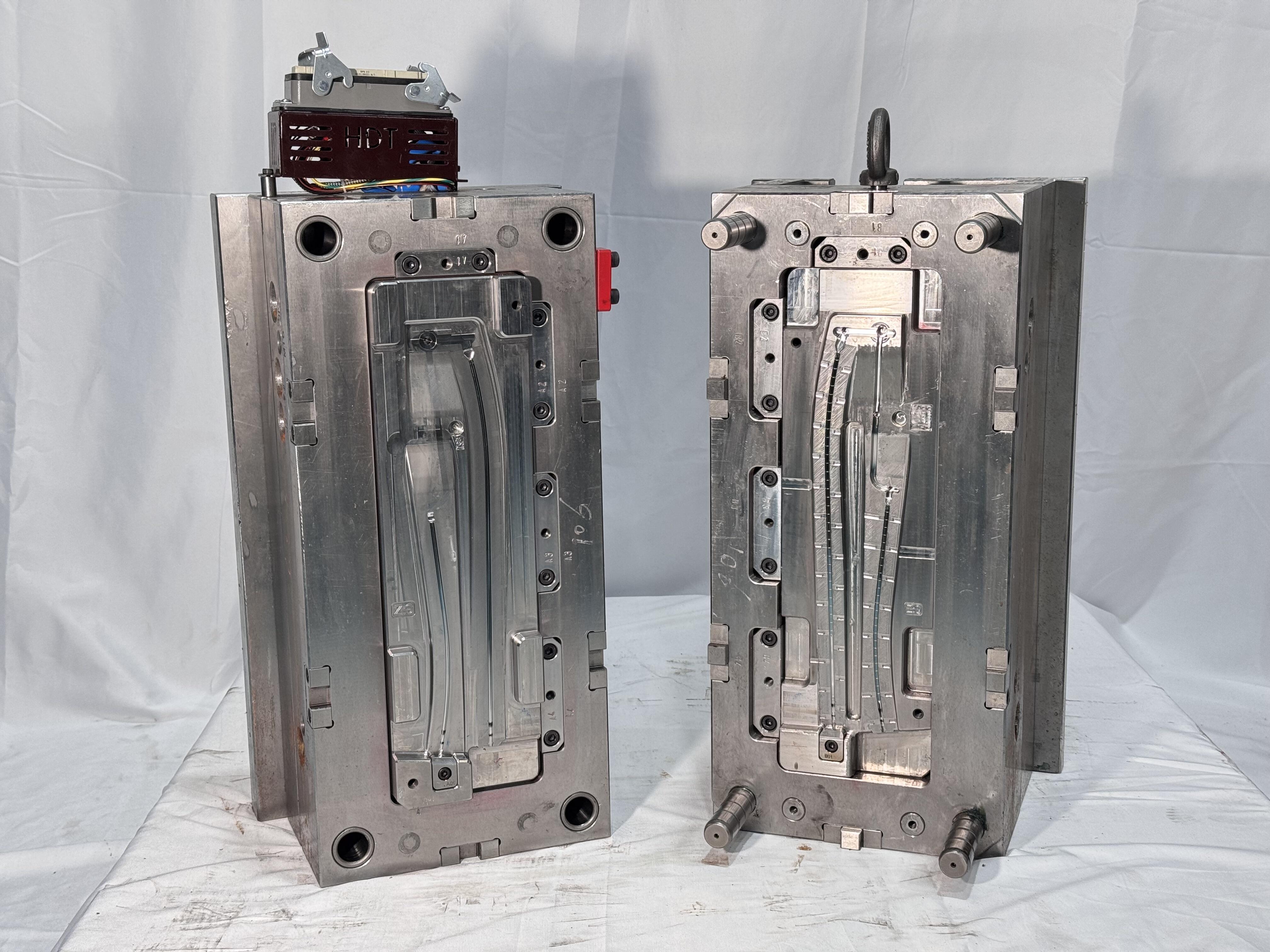
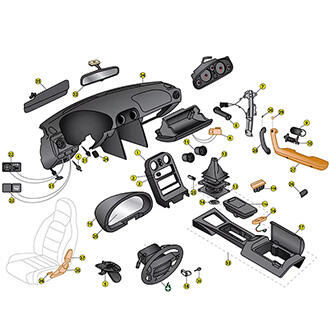
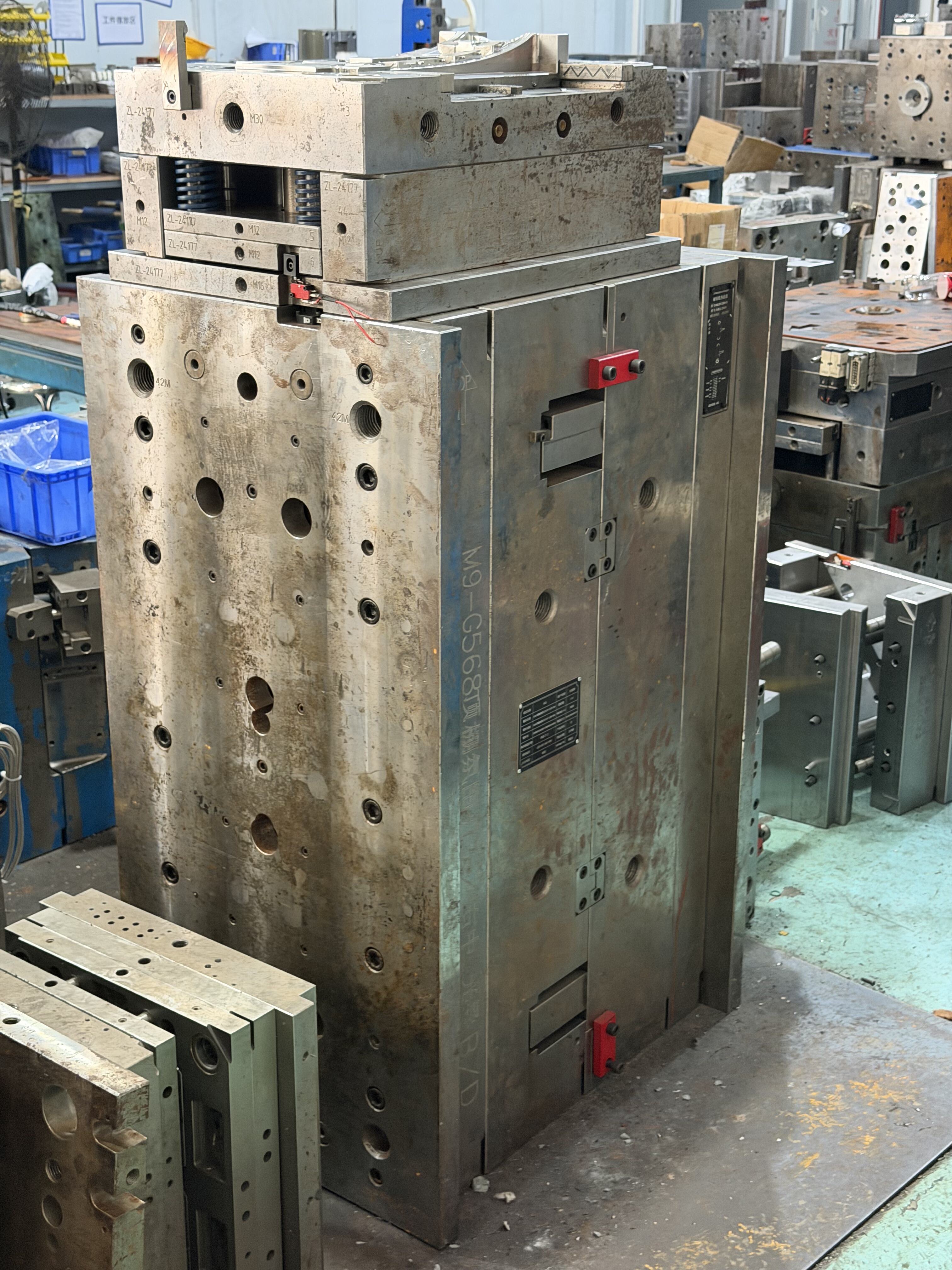
Automotive injection molding represents a critical manufacturing process that transforms raw plastic materials into precision-engineered components for vehicles. This sophisticated technique involves heating plastic pellets until they reach a molten state, then injecting this material under high pressure into carefully designed molds that shape the final product. The automotive injection molding process has become indispensable in modern vehicle production, enabling manufacturers to create everything from dashboard panels and door handles to complex under-hood components and exterior trim pieces. The main functions of automotive injection molding include producing lightweight yet durable parts that meet stringent automotive standards, reducing overall vehicle weight to improve fuel efficiency, and creating components with consistent quality across massive production runs. Technological features of this process include computer-controlled injection parameters, multi-cavity mold designs that produce multiple parts simultaneously, and advanced cooling systems that accelerate production cycles. The process utilizes state-of-the-art machinery equipped with precise temperature controls, pressure monitoring systems, and automated quality inspection tools. Applications of automotive injection molding span across every vehicle system, from interior comfort features like air vent grilles and cup holders to critical safety components such as sensor housings and mounting brackets. The versatility of automotive injection molding allows manufacturers to work with various plastic types, including thermoplastics, elastomers, and engineered resins that offer specific properties like heat resistance, impact strength, or UV stability. Modern automotive injection molding facilities employ advanced robotics for part removal and secondary operations, ensuring consistent quality while minimizing human error. The process supports both high-volume production for standard components and flexible manufacturing for specialized automotive parts, making it an essential technology for traditional automakers and electric vehicle manufacturers alike.

Popular Products

The automotive injection molding process delivers remarkable cost savings for manufacturers and ultimately for vehicle buyers. By producing parts in large quantities, companies reduce the per-unit cost significantly, making vehicles more affordable without compromising quality. This manufacturing method eliminates the need for extensive secondary finishing operations, as parts emerge from molds ready for assembly or requiring only minimal trimming. The speed of production stands out as another major benefit, with modern machines completing injection cycles in seconds rather than minutes, allowing factories to meet demanding production schedules and tight delivery deadlines. Material efficiency represents a crucial advantage, as automotive injection molding generates minimal waste compared to traditional manufacturing methods like machining or casting. Excess material from runners and sprues can be reground and reused, contributing to environmental sustainability while reducing raw material costs. The consistency and repeatability of automotive injection molding ensure that every component meets exact specifications, reducing defects and warranty claims that could otherwise prove costly for manufacturers and frustrating for vehicle owners. Design flexibility allows engineers to create complex geometries that would be impossible or prohibitively expensive using other manufacturing techniques. Undercuts, threads, textured surfaces, and integrated hinge mechanisms can all be molded directly into parts, eliminating assembly steps and potential failure points. The lightweight nature of injection-molded plastic components helps vehicles achieve better fuel economy and reduced emissions, addressing environmental concerns while saving drivers money at the fuel pump. Automotive injection molding accommodates various color options by mixing pigments directly into the plastic material, eliminating painting requirements and associated volatile organic compound emissions. The durability of properly engineered injection-molded parts ensures long service life, resisting corrosion, chemical exposure, and temperature extremes that would degrade metal or other materials. Manufacturers benefit from shorter development cycles, as prototype molds can be created quickly for testing and refinement before committing to full production tooling. The automotive injection molding process supports just-in-time manufacturing strategies, reducing inventory costs and warehouse space requirements while ensuring parts arrive exactly when assembly lines need them. This manufacturing approach enables vehicle customization, allowing different color schemes, textures, and feature variations without retooling entire production systems, giving consumers more choices while maintaining manufacturing efficiency.

Practical Tips

What are the key advantages of custom plastic injection molding services?

29

Apr

What are the key advantages of custom plastic injection molding services?

Custom plastic injection molding has become the cornerstone of modern manufacturing across diverse industries, from automotive and medical devices to consumer electronics and industrial equipment. Understanding the key advantages of this versatile ma...
View More
Why choose a plastic molding company for large-scale production needs?

08

May

Why choose a plastic molding company for large-scale production needs?

Manufacturing leaders tasked with scaling production volumes face a pivotal decision: whether to invest in in-house tooling infrastructure or partner with a specialized plastic molding company. Large-scale production demands not only high output capa...
View More
How does plastic moulding reduce material waste in mass production?

08

May

How does plastic moulding reduce material waste in mass production?

In modern manufacturing environments, controlling material waste has become a strategic priority that directly impacts profitability, sustainability credentials, and operational efficiency. Plastic moulding stands as one of the most waste-efficient p...
View More
How Does Plastic Injection Mold Technology Improve Production Efficiency?

27

May

How Does Plastic Injection Mold Technology Improve Production Efficiency?

In modern manufacturing, the pressure to produce more in less time without sacrificing quality has never been greater. plastic injection mold technology has emerged as one of the most reliable answers to that challenge. By enabling the rapid, repeata...
View More

Get a Free Quote

Our representative will contact you soon.
0/1000
Superior Design Versatility and Engineering Freedom

Superior Design Versatility and Engineering Freedom

Automotive injection molding provides unprecedented design versatility that empowers engineers to push the boundaries of component innovation and functionality. This manufacturing process allows the creation of intricate three-dimensional shapes with complex internal structures that would be virtually impossible to achieve through conventional fabrication methods. Engineers can incorporate multiple features into a single molded part, such as snap-fit connections, living hinges, integrated mounting points, and decorative surface textures, all produced simultaneously during one molding cycle. This consolidation of features eliminates the need for multiple separate components and assembly operations, reducing production time and potential points of failure. The design freedom offered by automotive injection molding extends to wall thickness variations within a single part, allowing engineers to add strength exactly where needed while minimizing material usage in less critical areas. This optimization results in components that achieve the perfect balance between structural integrity and weight reduction. Automotive injection molding accommodates the integration of inserts during the molding process, such as metal threaded bushings or electronic components, creating hybrid parts that combine the benefits of different materials within one assembly. The process supports overmolding techniques where multiple plastic materials with different properties are combined in layers, creating components with soft-touch surfaces over rigid structural bases or transparent windows integrated into opaque housings. Surface finishing options available through automotive injection molding include high-gloss polished surfaces, textured grains that hide fingerprints and scratches, and matte finishes that reduce glare. These aesthetic options are built directly into the mold, requiring no additional processing steps. The ability to create thin-walled sections enables the production of lightweight components that maintain necessary strength through strategic ribbing and geometric design rather than bulk material. This approach proves especially valuable for electric vehicles where every gram of weight reduction extends driving range. Automotive injection molding facilitates rapid design iterations during development phases, as modifications to mold cavities cost significantly less than retooling for metal stamping or other manufacturing processes, accelerating time-to-market for new vehicle models and component upgrades.
Exceptional Production Efficiency and Economic Value

Exceptional Production Efficiency and Economic Value

The economic advantages of automotive injection molding extend far beyond initial cost considerations, delivering long-term value through exceptional production efficiency and operational benefits. Modern injection molding machines operate with remarkable speed, completing full cycles from material injection through cooling and part ejection in timeframes measured in seconds, enabling facilities to produce thousands of components daily from a single mold. This rapid cycle time translates directly into lower labor costs per part, as fewer operator hours are required to generate large production volumes. The automated nature of automotive injection molding minimizes human intervention requirements, with machines running continuously through multiple shifts with only periodic monitoring and maintenance. This automation reduces the risk of human error and ensures consistent quality across entire production runs spanning millions of parts. Energy efficiency has improved dramatically in contemporary injection molding equipment, with servo-driven machines consuming power only during active portions of the cycle rather than maintaining constant hydraulic pressure, reducing electricity costs and environmental impact. The longevity of properly maintained injection molds represents significant economic value, as high-quality tooling can produce millions of parts before requiring refurbishment or replacement. This durability spreads tooling investment across enormous production volumes, making the per-part tooling cost negligible. Material utilization efficiency in automotive injection molding reaches exceptional levels, with modern systems calculating precise shot sizes that minimize excess material in runners and gates. Scrap rates remain remarkably low compared to subtractive manufacturing processes, and even the minimal waste generated can be recycled back into production. The scalability of automotive injection molding allows manufacturers to adjust production volumes efficiently by adding mold cavities or additional machines without fundamental process changes. This flexibility helps companies respond to market demand fluctuations without massive capital investments or lengthy retooling periods. Quality control integration within automotive injection molding systems provides real-time monitoring of critical parameters like injection pressure, melt temperature, and cooling time, automatically flagging deviations before defective parts are produced. This proactive quality management reduces scrap, rework, and warranty costs while maintaining customer satisfaction. The standardization possible through automotive injection molding simplifies supply chain management, as components produced at different facilities or different times maintain identical specifications, enabling global manufacturing strategies and simplified inventory management for vehicle assembly operations worldwide.
Advanced Material Performance and Durability Excellence

Advanced Material Performance and Durability Excellence

The material science advancements integrated into automotive injection molding have revolutionized component performance and longevity in demanding vehicular environments. Modern engineering plastics developed specifically for automotive injection molding applications offer property profiles that meet or exceed traditional materials in many applications while providing additional benefits. High-performance thermoplastics withstand temperature extremes encountered in engine compartments and exterior applications, maintaining dimensional stability and mechanical properties from frigid winter conditions exceeding negative forty degrees to summer under-hood temperatures approaching two hundred degrees Fahrenheit. Chemical resistance built into specialized plastic formulations protects components from exposure to gasoline, motor oil, brake fluid, coolant, and cleaning products that vehicle parts regularly encounter throughout their service life. This resistance prevents degradation, swelling, or discoloration that would compromise functionality or appearance. Impact resistance engineered into automotive injection molding materials ensures components survive stone impacts, accidental drops during assembly, and the vibrations inherent in vehicle operation without cracking or breaking. This durability reduces warranty claims and enhances vehicle reliability over extended ownership periods. UV stabilization incorporated into exterior automotive injection molding compounds prevents the fading, chalking, and embrittlement that untreated plastics experience when exposed to years of sunlight, maintaining appearance and structural integrity throughout vehicle life. Flame retardant additives meet stringent automotive safety standards, ensuring that interior components resist ignition and limit flame spread in emergency situations, protecting occupants and providing valuable escape time. The colorfast nature of pigments integrated during automotive injection molding eliminates the need for painting while ensuring consistent appearance that resists fading even after years of exposure to sunlight and environmental conditions. Glass fiber and mineral reinforcements can be incorporated into injection molding compounds, creating composites that offer strength-to-weight ratios approaching metals while maintaining the processing advantages and corrosion resistance of plastics. These reinforced materials enable automotive injection molding to produce structural components that bear significant loads in vehicle assemblies. Acoustic properties can be engineered into materials used for automotive injection molding, creating components that dampen vibrations and reduce noise transmission, contributing to quieter cabin environments that enhance passenger comfort. The dimensional stability of properly formulated injection molding materials ensures that components maintain precise tolerances over time and across temperature variations, preventing the rattles and fit issues that can develop with materials prone to expansion and contraction. Recyclability considerations integrated into modern automotive injection molding materials support end-of-life vehicle processing and circular economy initiatives, with many components designed for easy identification and separation during vehicle recycling operations.