Precision Mold Making Services - High-Quality Custom Molds for Manufacturing Excellence

application/precision-mold-making, application/precision-mold-making, 
Get a Quote
Get a Quote

precision mold making

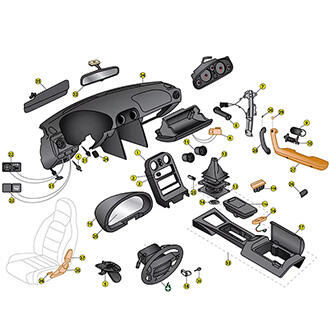
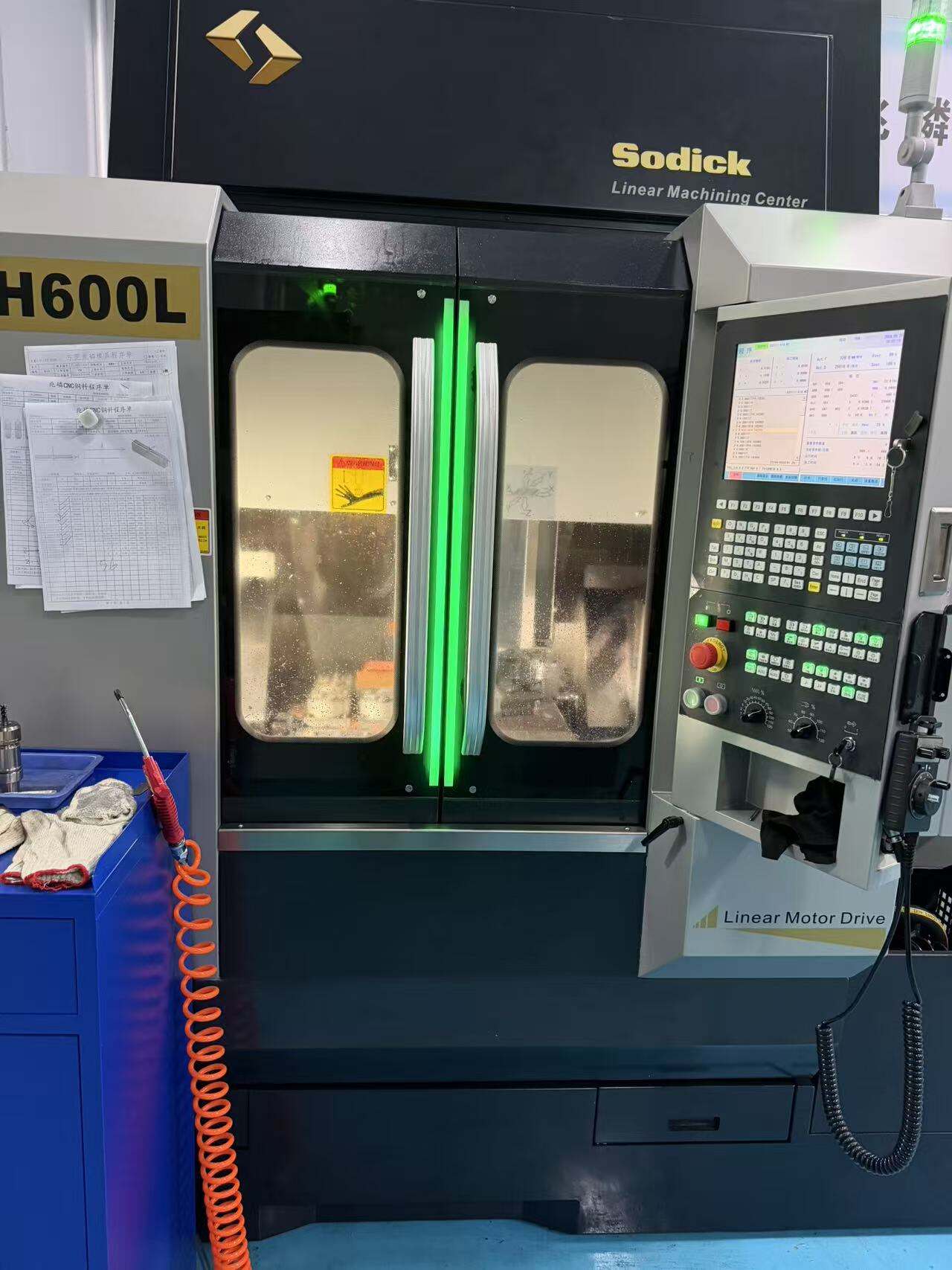
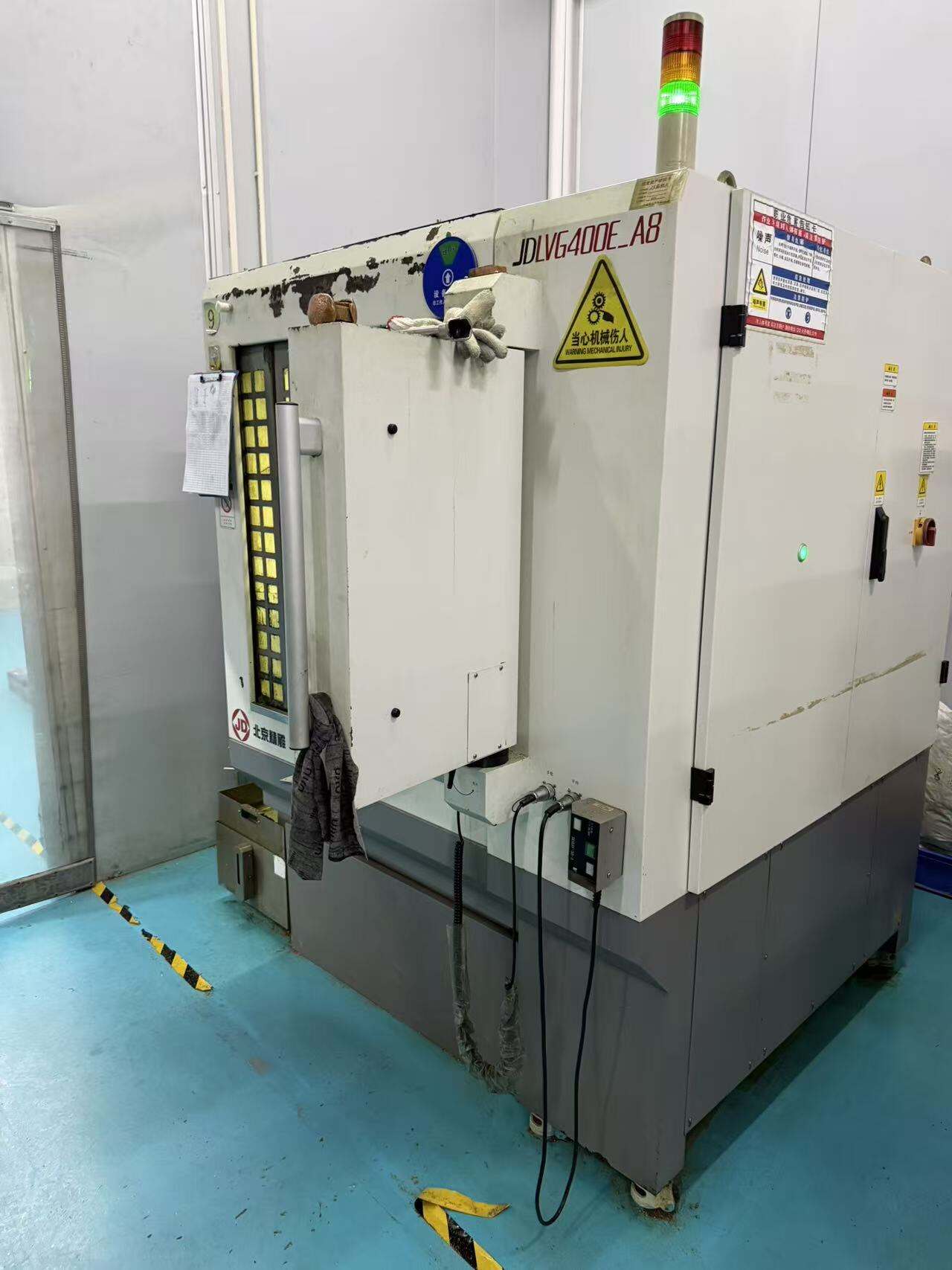
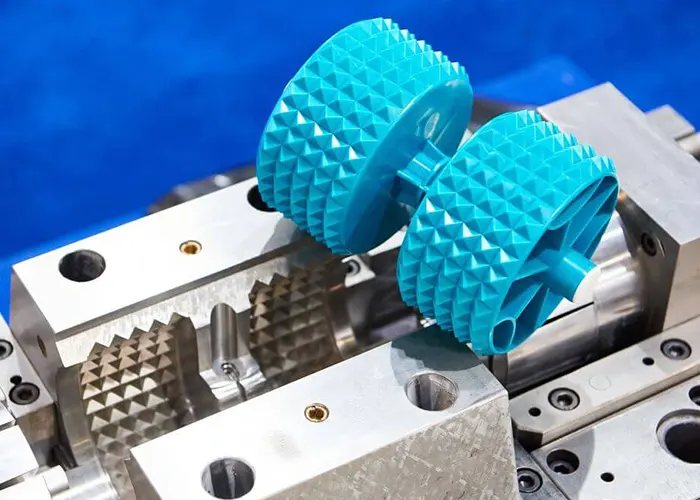
Precision mold making represents a cornerstone of modern manufacturing, delivering exceptional accuracy and consistency in producing molds that shape countless products across diverse industries. This sophisticated manufacturing process involves creating highly accurate molds with tolerances measured in micrometers, ensuring that every component manufactured meets exact specifications. Precision mold making combines advanced technology, skilled craftsmanship, and rigorous quality control to produce molds that serve as the foundation for mass production operations worldwide. The main functions of precision mold making encompass designing and fabricating molds that can repeatedly produce identical parts with minimal variation. These molds enable manufacturers to create complex geometries, intricate details, and consistent quality across thousands or millions of production cycles. The process begins with detailed engineering drawings and progresses through material selection, machining, finishing, and testing phases. Each step demands meticulous attention to detail and adherence to strict dimensional requirements. Technological features defining precision mold making include computer numerical control machining, electrical discharge machining, wire cutting technology, and advanced surface finishing techniques. These technologies work together to achieve surface finishes smoother than a human hair's width and dimensional accuracies that rival the thickness of paper. Temperature control systems, automated measurement equipment, and specialized tooling further enhance the precision achievable in modern mold making facilities. Applications for precision mold making span numerous sectors including automotive manufacturing, medical device production, consumer electronics, packaging, aerospace components, and household products. In the automotive industry, precision molds create everything from dashboard components to engine parts. Medical device manufacturers rely on precision molds to produce sterile, biocompatible components that meet stringent regulatory standards. The electronics sector depends on precision mold making for smartphone cases, computer housings, and connector components. This versatile manufacturing method continues expanding into emerging fields, supporting innovation and enabling manufacturers to bring increasingly complex designs from concept to reality with remarkable speed and accuracy.

New Product Releases

Choosing precision mold making for your manufacturing needs delivers tangible benefits that directly impact your bottom line and competitive position. The first major advantage involves cost efficiency through repeatability. Once you invest in a precision mold, it produces thousands or millions of identical parts without requiring constant adjustments or recalibration. This consistency eliminates waste from rejected parts and reduces labor costs associated with manual quality checks. Your production runs become predictable, allowing better inventory management and resource planning. The second significant benefit centers on speed to market. Precision mold making accelerates your product launch timeline by enabling rapid transition from prototype to full-scale production. Modern facilities complete mold fabrication in weeks rather than months, meaning you can respond quickly to market opportunities and stay ahead of competitors. This speed advantage extends throughout the product lifecycle, as precision molds facilitate quick design modifications and version updates without extensive retooling. Quality consistency represents another crucial advantage that precision mold making delivers. Every part emerging from a precision mold matches the original specifications exactly, ensuring your customers receive uniform products regardless of when or where they were manufactured. This consistency builds brand reputation and reduces warranty claims, customer complaints, and returns. Your quality assurance processes become simpler and more reliable when precision molds eliminate variability from the manufacturing equation. Material optimization constitutes a fourth practical benefit. Precision molds minimize material waste by controlling exactly how much raw material each part requires. The accurate cavity dimensions and efficient runner systems mean less scrap material and lower raw material costs per unit. This efficiency becomes increasingly important as material prices fluctuate and sustainability concerns grow. Flexibility in design complexity gives manufacturers freedom to innovate without worrying about production limitations. Precision mold making handles intricate geometries, thin walls, complex undercuts, and fine details that would be impossible or prohibitively expensive with other manufacturing methods. This capability lets your design team push creative boundaries and differentiate your products in crowded markets. Finally, precision mold making offers scalability that grows with your business. Whether you need one thousand parts or one million, the same mold maintains consistent quality and performance. This scalability protects your initial investment and provides confidence that your manufacturing infrastructure can support business growth without requiring complete overhauls of production systems.

Tips And Tricks

What makes custom injection molding a cost-effective production solution?

29

Apr

What makes custom injection molding a cost-effective production solution?

Manufacturing decision-makers constantly seek production methods that balance quality, speed, and economic efficiency. Custom injection molding has emerged as a dominant solution across industries ranging from automotive and medical devices to consum...
View More
Can custom injection molding improve efficiency in mass production?

29

Apr

Can custom injection molding improve efficiency in mass production?

Manufacturing efficiency stands as a critical determinant of competitive advantage in today's fast-paced production environments. As companies scale their operations and pursue higher output volumes, the choice of manufacturing technology directly im...
View More
Why do manufacturers rely on plastic moulding for scalable production?

27

May

Why do manufacturers rely on plastic moulding for scalable production?

Manufacturers across industries face a persistent challenge: how to scale production efficiently while maintaining product quality, controlling costs, and meeting rapidly changing market demands. The answer increasingly lies in plastic moulding, a ma...
View More
How Does Plastic Injection Mold Technology Improve Production Efficiency?

27

May

How Does Plastic Injection Mold Technology Improve Production Efficiency?

In modern manufacturing, the pressure to produce more in less time without sacrificing quality has never been greater. plastic injection mold technology has emerged as one of the most reliable answers to that challenge. By enabling the rapid, repeata...
View More

Get a Free Quote

Our representative will contact you soon.
0/1000
Unmatched Dimensional Accuracy Ensuring Perfect Fit and Function

Unmatched Dimensional Accuracy Ensuring Perfect Fit and Function

Dimensional accuracy stands as the defining characteristic that separates precision mold making from conventional manufacturing approaches, delivering measurable value that affects every aspect of product performance. This accuracy begins with tolerances held to plus or minus a few micrometers, which is finer than the thickness of most human hairs. Such precision ensures that parts fit together perfectly during assembly, eliminating gaps, rattles, and alignment issues that plague products made with less accurate methods. For manufacturers, this translates to dramatically reduced assembly time and fewer rejected assemblies due to mismatched components. The economic impact of dimensional accuracy extends beyond initial production. When parts consistently meet exact specifications, warranty costs decrease because products function as designed throughout their expected lifespan. Customer satisfaction improves when products operate smoothly and reliably, leading to repeat purchases and positive reviews that drive future sales. Precision mold making achieves this accuracy through multiple complementary technologies working in concert. High-precision CNC machining centers equipped with thermal compensation systems maintain accuracy even as metal expands and contracts with temperature changes. Coordinate measuring machines verify dimensions at multiple stages, catching potential deviations before they affect production molds. Surface grinding and polishing operations achieve finishes measured in nanometers, creating mold surfaces so smooth that molded parts release easily and consistently. The attention to dimensional accuracy in precision mold making also enables multi-cavity molds where multiple parts form simultaneously. Each cavity must match the others within tight tolerances to ensure uniform part quality across all positions. This capability multiplies production efficiency while maintaining the accuracy that customers demand. Industries with stringent regulatory requirements particularly benefit from dimensional accuracy in precision mold making. Medical device manufacturers must demonstrate that every component meets specifications documented in regulatory filings. Aerospace suppliers face similar requirements where dimensional variations could compromise safety. Precision mold making provides the documentation and repeatability these industries demand, supporting compliance efforts and reducing regulatory risk. The long-term stability of precision molds maintains dimensional accuracy across hundreds of thousands of production cycles, protecting your quality reputation and avoiding costly mid-production corrections that disrupt delivery schedules and strain customer relationships.
Superior Surface Finish Quality Enhancing Aesthetics and Performance

Superior Surface Finish Quality Enhancing Aesthetics and Performance

Surface finish quality achieved through precision mold making directly influences both the visual appeal and functional performance of manufactured products, creating value that customers immediately recognize and appreciate. The mirror-like finishes possible with precision mold making eliminate the need for secondary finishing operations, reducing production time and cost while ensuring consistent appearance across all units. This surface quality begins inside the mold itself, where specialized polishing techniques create cavities so smooth that molded parts emerge with glass-like surfaces requiring no additional treatment. For consumer products, superior surface finish translates to premium appearance that commands higher prices and stronger brand perception. Smartphone cases, automotive trim pieces, and household appliances all benefit from the flawless surfaces that precision mold making delivers. Customers associate smooth, glossy finishes with quality and craftsmanship, making surface finish a powerful differentiator in competitive markets. Beyond aesthetics, surface finish affects functional performance in measurable ways. Smooth surfaces reduce friction in moving parts, extending service life and improving efficiency. In medical applications, polished surfaces minimize areas where bacteria could accumulate, supporting sterility requirements. Food packaging molds with superior finishes facilitate complete material release, preventing contamination and ensuring food safety. Precision mold making achieves exceptional surface finishes through progressive polishing operations using increasingly fine abrasives, sometimes finishing with diamond compounds that create near-perfect surfaces. Electrical discharge machining with precisely controlled parameters produces uniform surface textures even in complex internal passages inaccessible to traditional polishing tools. The consistency of surface finish across all mold cavities ensures that every produced part meets appearance standards, eliminating sorting operations and reducing quality control labor. This consistency matters enormously when products undergo printing, painting, or plating operations, as these secondary processes require uniform substrate surfaces for optimal results. Precision mold making provides that uniformity, preventing the adhesion failures and appearance defects that occur when surface textures vary. The durability of polished mold surfaces also deserves consideration. Properly finished precision molds maintain their surface quality through extended production runs, unlike rougher molds that degrade quickly and begin producing parts with increasingly poor finishes. This durability protects quality standards and avoids production interruptions for mold refurbishment. Manufacturers investing in precision mold making gain surface finish quality that enhances products throughout their market life, supporting premium positioning and customer satisfaction while reducing finishing costs and production complexity.
Extended Mold Longevity Maximizing Return on Investment

Extended Mold Longevity Maximizing Return on Investment

Extended mold longevity represents a critical economic advantage of precision mold making, directly affecting manufacturing costs, production planning, and long-term profitability. While precision molds require higher initial investment than conventional alternatives, their extended operational life delivers superior return on investment by producing more parts per dollar invested. This longevity stems from careful material selection, precision machining that minimizes stress concentrations, and surface treatments that resist wear and corrosion. Precision mold making typically employs hardened tool steels, specialized alloys, and sometimes exotic materials chosen specifically for durability under demanding production conditions. These materials withstand the thermal cycling, injection pressures, and abrasive wear that characterize high-volume manufacturing operations. The precision machining processes used in creating these molds eliminate microscopic imperfections that would otherwise serve as crack initiation points, extending fatigue life significantly compared to roughly machined alternatives. Heat treatment protocols carefully controlled during precision mold making optimize material properties, balancing hardness for wear resistance with toughness to prevent brittle failure. Surface coatings applied to precision molds further enhance longevity by reducing friction, preventing corrosion, and resisting chemical attack from processing materials. These treatments, combined with the underlying precision construction, enable molds to maintain dimensional accuracy and surface finish through hundreds of thousands or even millions of production cycles. The economic implications of extended mold longevity compound over time. Manufacturers avoid frequent mold replacement costs, reducing capital expenditure requirements and improving cash flow predictability. Production scheduling becomes more reliable when molds maintain performance without unexpected failures that halt operations and delay customer deliveries. Maintenance intervals extend, reducing downtime and the skilled labor costs associated with mold repair and refurbishment. Precision mold making also facilitates preventive maintenance programs that further extend operational life. The accurate documentation and precise construction of these molds enable maintenance teams to identify wear patterns early and address them before they affect part quality or cause catastrophic failure. This proactive approach contrasts sharply with reactive maintenance necessitated by lower-quality molds that fail unpredictably. Quality consistency throughout the extended mold life ensures that parts produced in year five match those from year one, maintaining brand standards and customer satisfaction across the product lifecycle. This consistency eliminates the quality variations that occur as conventional molds wear, degrading part specifications gradually until replacement becomes necessary. For businesses planning long-term production runs or managing multiple product lines, the extended longevity of precision molds provides strategic flexibility, allowing reallocation of capital toward innovation and market expansion rather than constant mold replacement. The superior return on investment delivered by precision mold making supports sustainable business growth and competitive advantage in industries where manufacturing excellence determines market leadership.