Material Versatility Matches Any Application Requirement
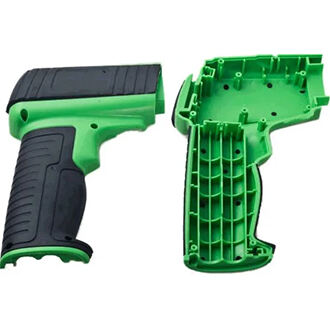
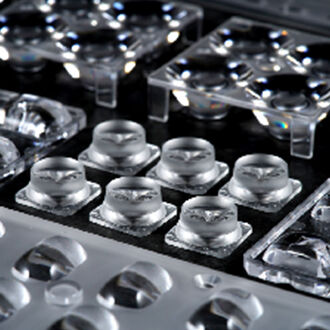
The extraordinary material versatility available with custom injection molded parts empowers you to select the perfect plastic resin for your specific application demands, performance requirements, and operating environment. Thermoplastic materials number in the hundreds, each formulated with distinct characteristics that address particular engineering challenges or functional needs. You can choose commodity resins like polypropylene and polyethylene for cost-effective general-purpose applications where chemical resistance and toughness matter most. Engineering thermoplastics such as ABS, polycarbonate, and nylon deliver enhanced mechanical properties including higher strength, better heat resistance, and improved dimensional stability under load. High-performance polymers like PEEK, PPS, and liquid crystal polymers serve demanding applications in aerospace, automotive, and medical devices where extreme temperatures, aggressive chemicals, or stringent regulatory requirements apply. Custom injection molded parts can incorporate glass fibers, carbon fibers, or mineral fillers that dramatically increase stiffness and strength while maintaining lighter weight compared to metal alternatives. You benefit from specialized material formulations that provide UV stabilization for outdoor exposure, flame retardancy for electrical applications, anti-static properties for electronic component handling, or FDA compliance for food contact and medical use. Thermoplastic elastomers bring rubber-like flexibility to custom injection molded parts, enabling soft-touch grips, seals, and gaskets produced through the same efficient process as rigid components. The ability to combine materials through overmolding techniques allows you to create parts with hard structural sections and soft cosmetic or functional surfaces in a single production cycle. Color options prove virtually limitless, as you can specify custom color matching, incorporate metallic or pearlescent effects, or create translucent and transparent parts that showcase internal components or allow light transmission. Material suppliers continuously develop innovative formulations that address emerging needs, such as bio-based plastics derived from renewable resources or recycled ocean plastics that support sustainability initiatives. You can modify material properties through additives that enhance lubricity, increase impact resistance at low temperatures, or provide antimicrobial protection. The material versatility of custom injection molded parts eliminates compromises, allowing you to optimize every aspect of component performance rather than settling for materials that only partially meet your requirements. Testing and validation become straightforward, as material suppliers provide comprehensive data sheets detailing mechanical, thermal, and chemical properties under various conditions.


 EN
EN