custom insert injection molding
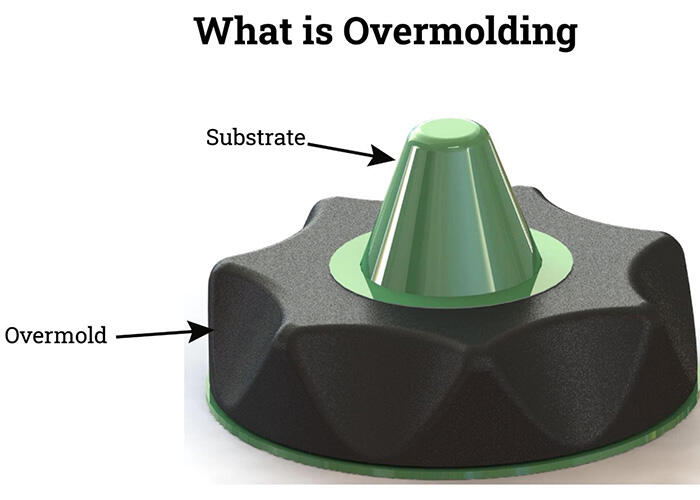
Custom insert injection molding represents a sophisticated manufacturing process that combines metal or plastic inserts with molten polymer materials to create complex, multi-material components in a single production cycle. This advanced technique involves precisely positioning pre-fabricated inserts into a mold cavity before injecting thermoplastic resin around them, resulting in permanently bonded assemblies that exhibit superior strength and functionality. The main functions of custom insert injection molding include creating robust mechanical connections between dissimilar materials, reducing assembly time by eliminating secondary operations, and producing parts with enhanced structural integrity. This process accommodates various insert types including threaded fasteners, electrical contacts, metal reinforcements, and decorative elements, making it invaluable across numerous manufacturing sectors. The technological features distinguishing custom insert injection molding encompass advanced mold design capabilities, precise temperature control systems, automated insert placement mechanisms, and sophisticated injection parameters that prevent insert displacement during material flow. Modern systems utilize robotics and vision technology to ensure consistent insert positioning with tolerances measured in microns. The process supports diverse polymer materials including engineering thermoplastics, commodity resins, and specialized compounds, each selected based on specific performance requirements. Applications span automotive components such as gear assemblies and electronic housings, medical devices requiring biocompatible materials, consumer electronics incorporating brass terminals, industrial equipment with threaded metal inserts, and aerospace parts demanding lightweight yet durable constructions. The versatility of custom insert injection molding enables manufacturers to consolidate multiple components into single assemblies, reducing inventory complexity and streamlining production workflows. This technology particularly benefits products requiring electrical conductivity, thermal management, enhanced load-bearing capacity, or precise dimensional tolerances that would be difficult to achieve through conventional molding alone. As industries increasingly demand lighter, stronger, and more functionally integrated components, custom insert injection molding continues evolving with innovations in material science, automation technology, and process optimization techniques.


 EN
EN