Custom Plastic Mold Manufacturing Services - Precision Injection Molding Solutions

application/custom-plastic-mold-manufacturing, application/custom-plastic-mold-manufacturing, 
Get a Quote
Get a Quote

custom plastic mold manufacturing

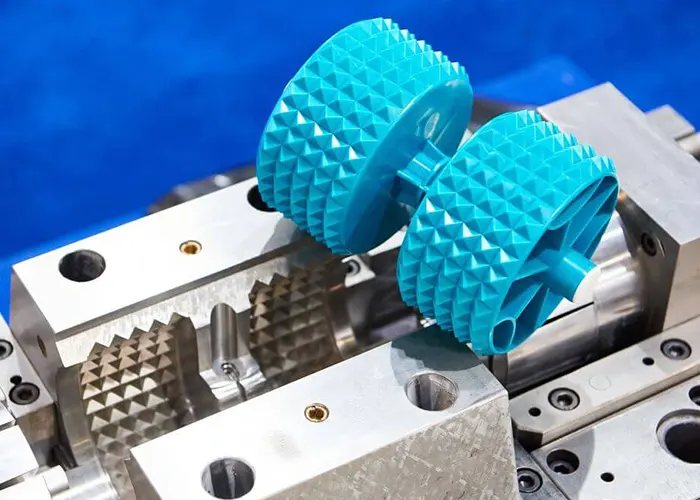
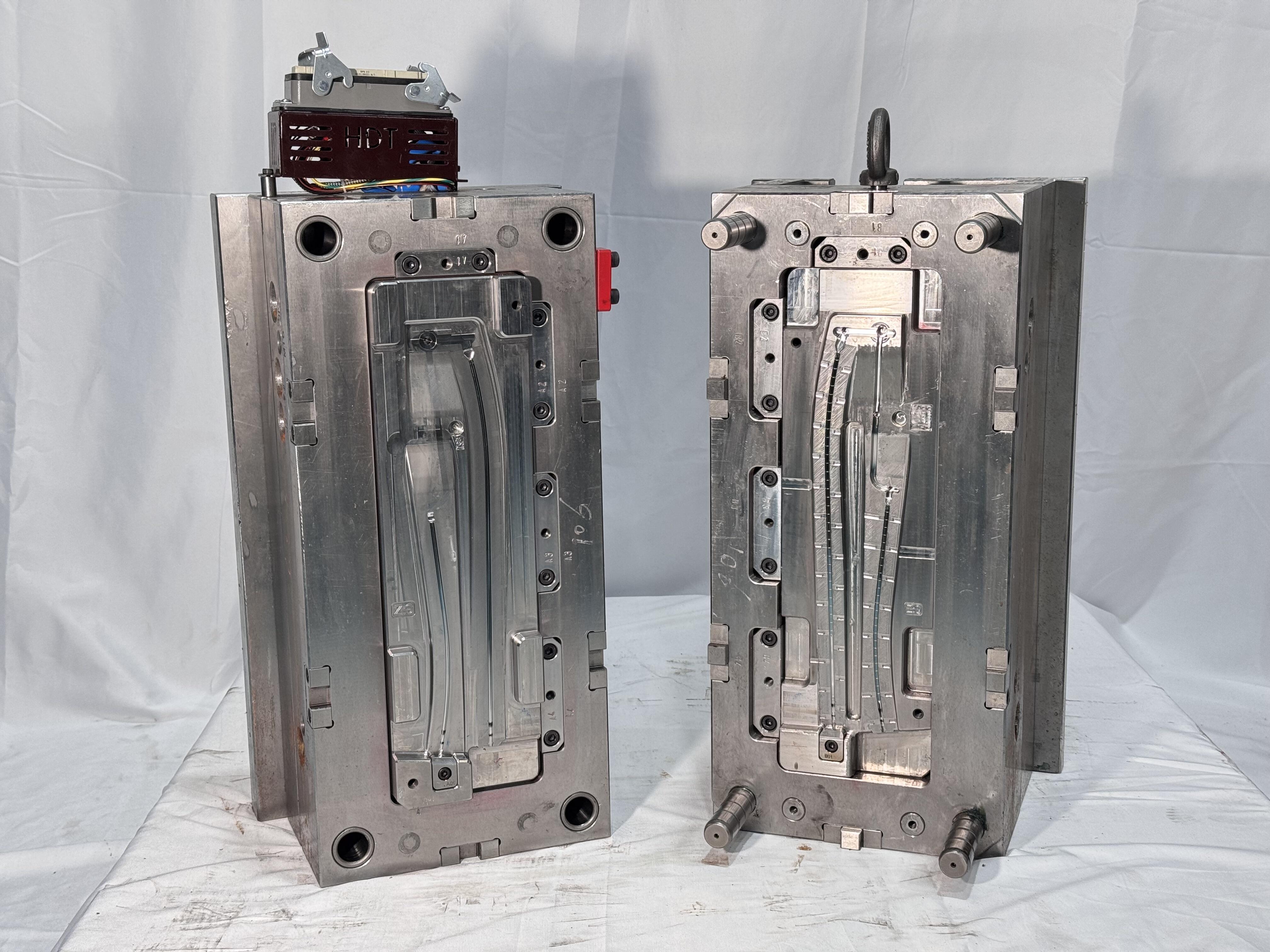
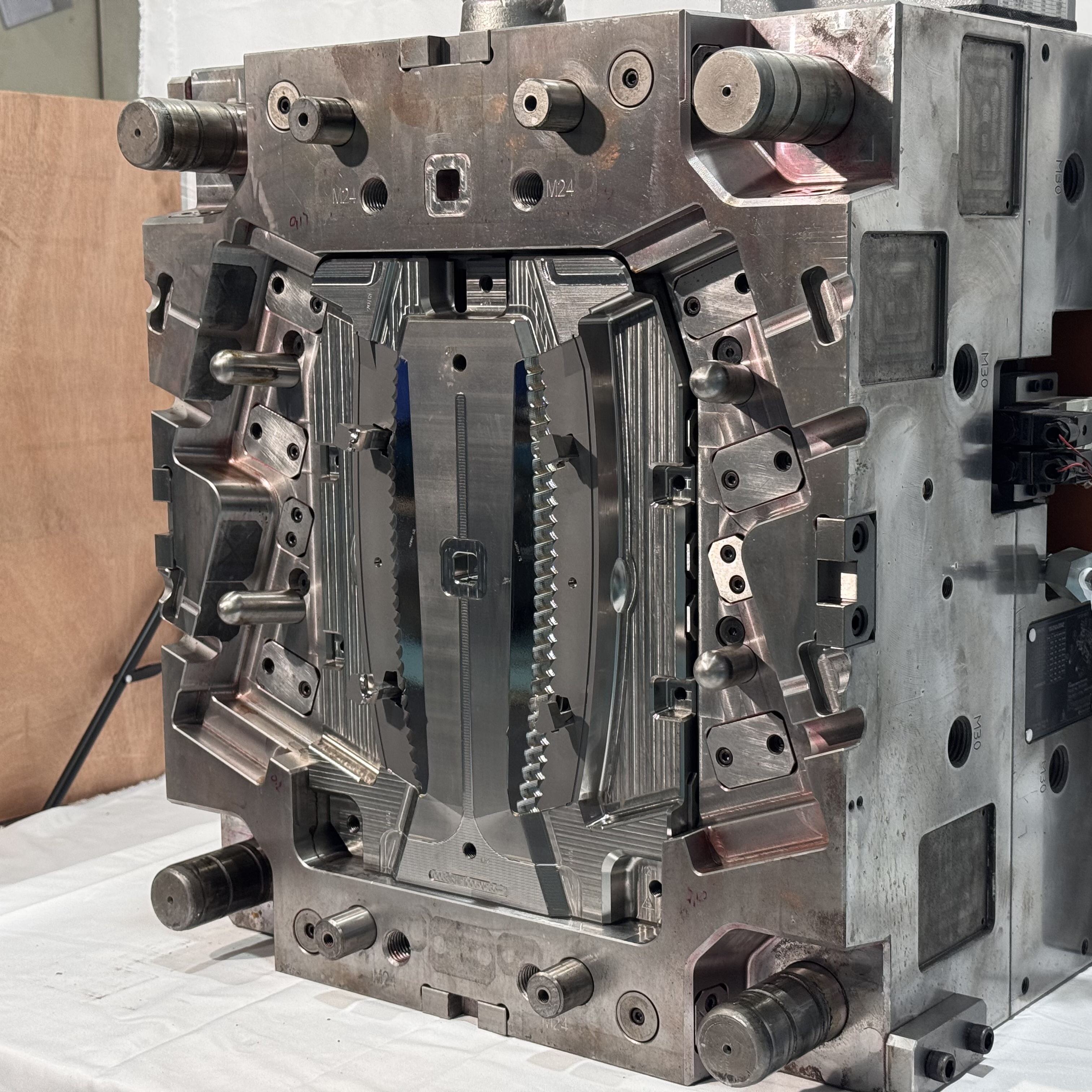
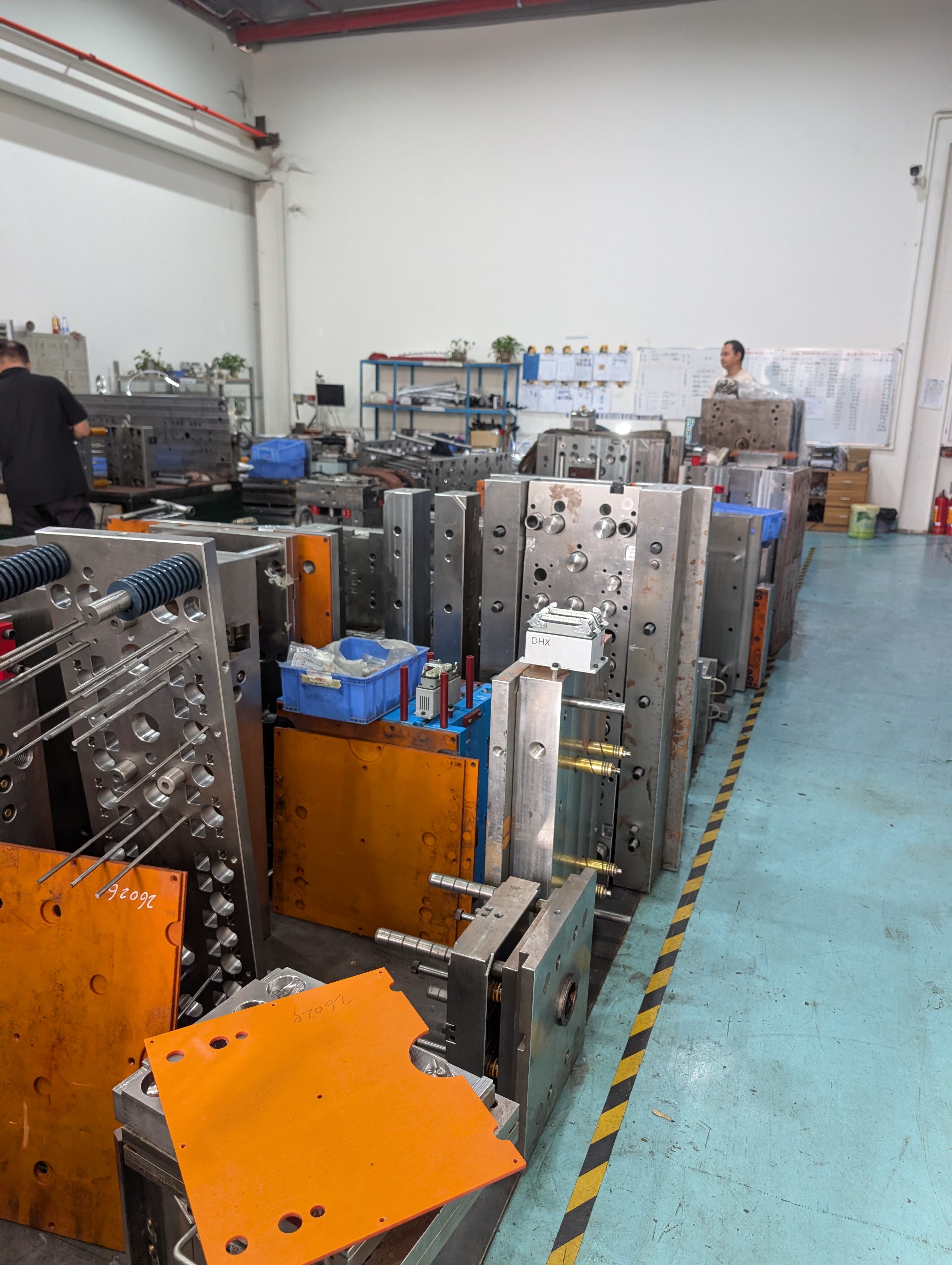
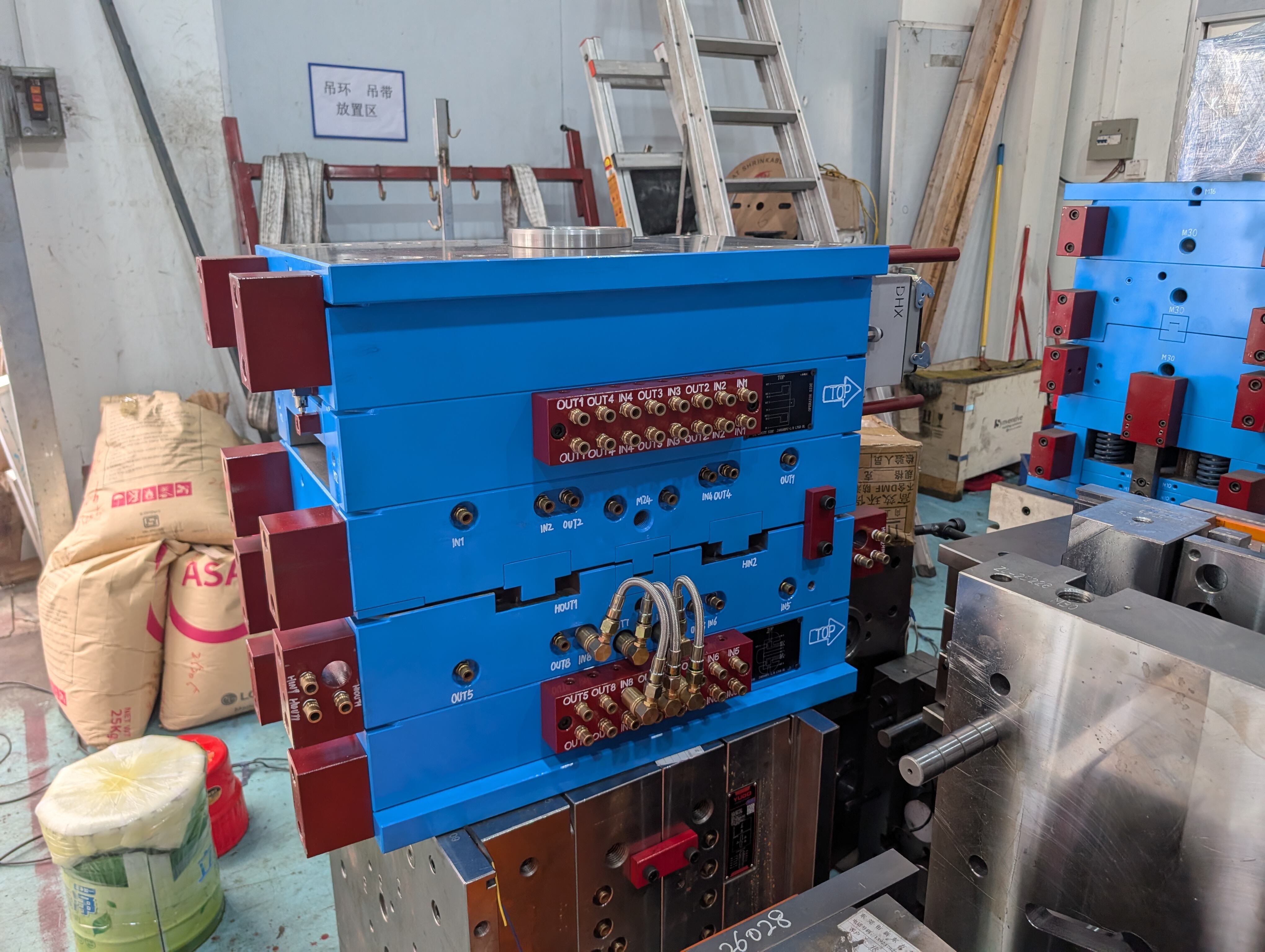
Custom plastic mold manufacturing represents a sophisticated industrial process that transforms raw plastic materials into precise, functional components through specialized tooling and injection molding techniques. This manufacturing method serves as the backbone of modern production across countless industries, enabling businesses to create unique plastic parts tailored to their exact specifications. The process begins with detailed design work, where engineers collaborate with clients to develop mold blueprints that capture every dimensional requirement, aesthetic detail, and functional necessity. Advanced computer-aided design software facilitates this initial phase, ensuring accuracy before any physical manufacturing begins. Once designs receive approval, skilled toolmakers construct the molds using high-grade steel or aluminum, employing CNC machining, electrical discharge machining, and precision grinding to achieve tolerances measured in microns. The technological features of custom plastic mold manufacturing include multi-cavity configurations that enable simultaneous production of multiple parts, hot runner systems that minimize material waste, and cooling channel designs that optimize cycle times. Temperature control systems maintain consistent material flow, while automated ejection mechanisms ensure parts release cleanly without damage. The applications span virtually every sector imaginable, from automotive interior components and medical device housings to consumer electronics enclosures and packaging solutions. Manufacturers utilize various thermoplastic materials including ABS, polycarbonate, polypropylene, nylon, and specialty engineering resins, each selected for specific performance characteristics. The versatility of custom plastic mold manufacturing allows for complex geometries, undercuts, threads, and intricate surface textures that would prove impossible or economically unfeasible through alternative manufacturing methods. Quality assurance protocols integrate throughout production, with dimensional inspections, material testing, and visual examinations ensuring every component meets stringent standards. This manufacturing approach delivers exceptional repeatability, producing thousands or millions of identical parts with minimal variation, making it indispensable for high-volume production requirements while remaining cost-effective for medium-run projects when properly planned and executed.

New Products

Choosing custom plastic mold manufacturing delivers substantial practical benefits that directly impact your bottom line and product success. First, this method provides unmatched cost efficiency for medium to high-volume production runs, as the initial mold investment distributes across thousands of units, dramatically reducing per-part costs compared to alternative fabrication techniques. You gain access to rapid production cycles, with modern injection molding machines completing parts in seconds rather than minutes or hours, accelerating your time-to-market and enabling you to respond quickly to customer demand fluctuations. The precision inherent in custom plastic mold manufacturing ensures consistency across your entire production run, eliminating the quality variations that plague manual processes and protecting your brand reputation through reliable, uniform products. Material versatility stands as another significant advantage, allowing you to select from hundreds of plastic resins with properties ranging from flexible to rigid, transparent to opaque, heat-resistant to chemical-resistant, ensuring your components perform exactly as intended in their final application. Design freedom empowers your engineering team to incorporate complex features, multiple colors, integrated hinges, snap-fits, and aesthetic details directly into the molding process, reducing assembly requirements and associated labor costs. The durability of properly manufactured molds means you secure a production tool capable of generating millions of parts over many years, providing long-term manufacturing stability and protecting against supply chain disruptions. Waste reduction represents both an economic and environmental benefit, as modern custom plastic mold manufacturing minimizes scrap through precise material metering and enables recycling of runners and rejected parts back into production. Surface finish options extend from high-gloss mirror polishes to textured patterns, eliminating secondary finishing operations and their associated costs and delays. You maintain complete intellectual property control over your designs, as your custom molds remain your property, preventing competitors from easily replicating your products. Scalability allows you to start with single-cavity molds for initial market testing, then transition to multi-cavity configurations as demand grows, without redesigning your entire manufacturing approach. Geographic flexibility means you can manufacture locally or globally depending on your strategic priorities, with your mold designs transferring between qualified facilities. The automation compatibility of custom plastic mold manufacturing reduces labor dependency, stabilizes production costs, and improves workplace safety by minimizing human intervention in potentially hazardous processes, while enabling lights-out manufacturing for maximum facility utilization and productivity gains that translate directly into competitive pricing advantages.

Latest News

What makes custom injection molding a cost-effective production solution?

29

Apr

What makes custom injection molding a cost-effective production solution?

Manufacturing decision-makers constantly seek production methods that balance quality, speed, and economic efficiency. Custom injection molding has emerged as a dominant solution across industries ranging from automotive and medical devices to consum...
View More
What are the key advantages of custom plastic injection molding services?

29

Apr

What are the key advantages of custom plastic injection molding services?

Custom plastic injection molding has become the cornerstone of modern manufacturing across diverse industries, from automotive and medical devices to consumer electronics and industrial equipment. Understanding the key advantages of this versatile ma...
View More
How to choose reliable suppliers for custom plastic injection molding?

29

Apr

How to choose reliable suppliers for custom plastic injection molding?

Selecting the right partner for custom plastic injection molding represents one of the most critical decisions manufacturing businesses face when developing new products or scaling production. The supplier you choose directly impacts product quality,...
View More
How Does Mold Making Support Custom Product Development Projects?

27

May

How Does Mold Making Support Custom Product Development Projects?

When businesses set out to develop a new physical product, the path from concept to finished part is rarely straightforward. One of the most critical enabling technologies along that path is mold making. Whether a company is designing a consumer elec...
View More

Get a Free Quote

Our representative will contact you soon.
0/1000
Precision Engineering for Perfect Component Replication

Precision Engineering for Perfect Component Replication

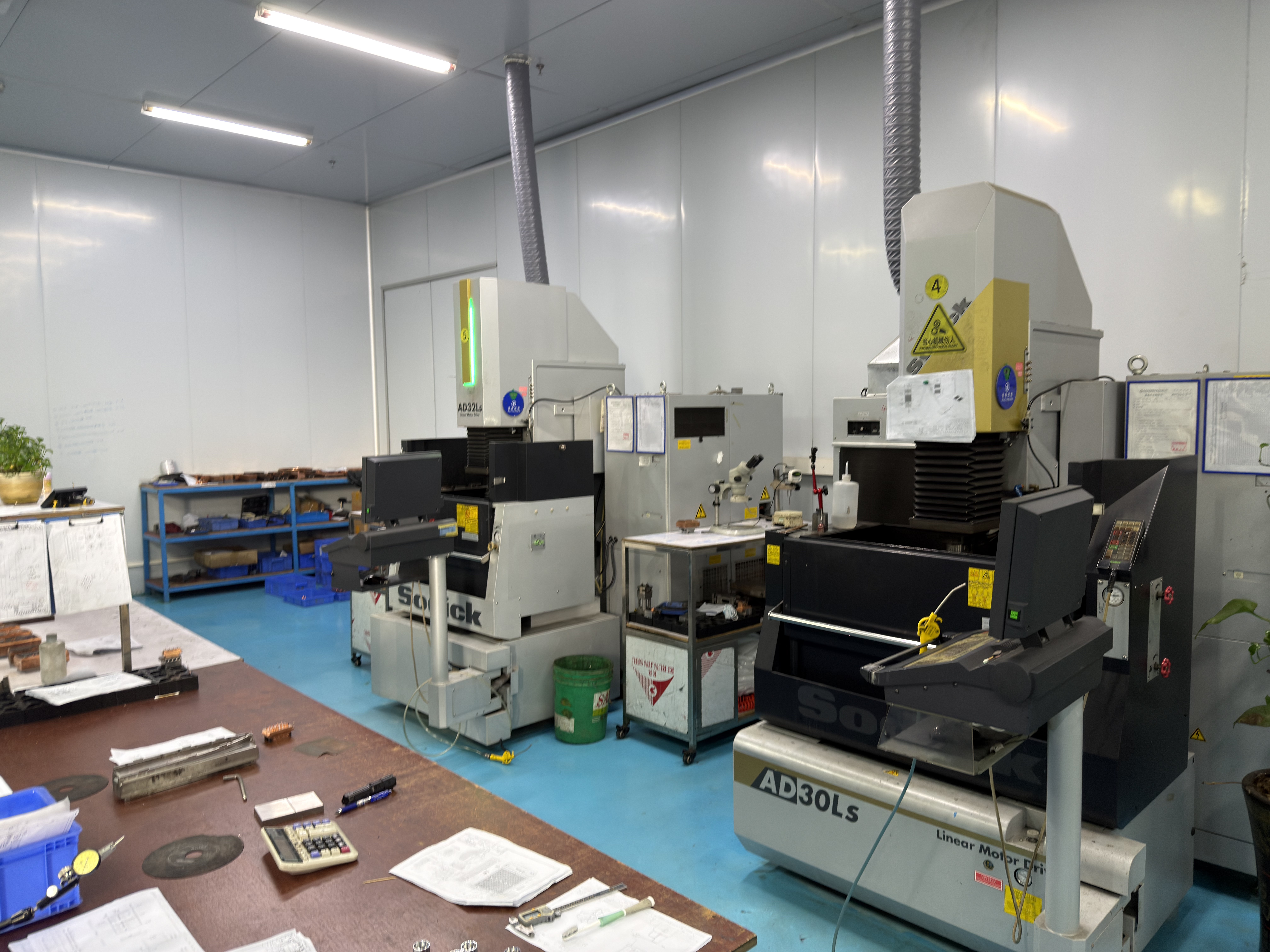
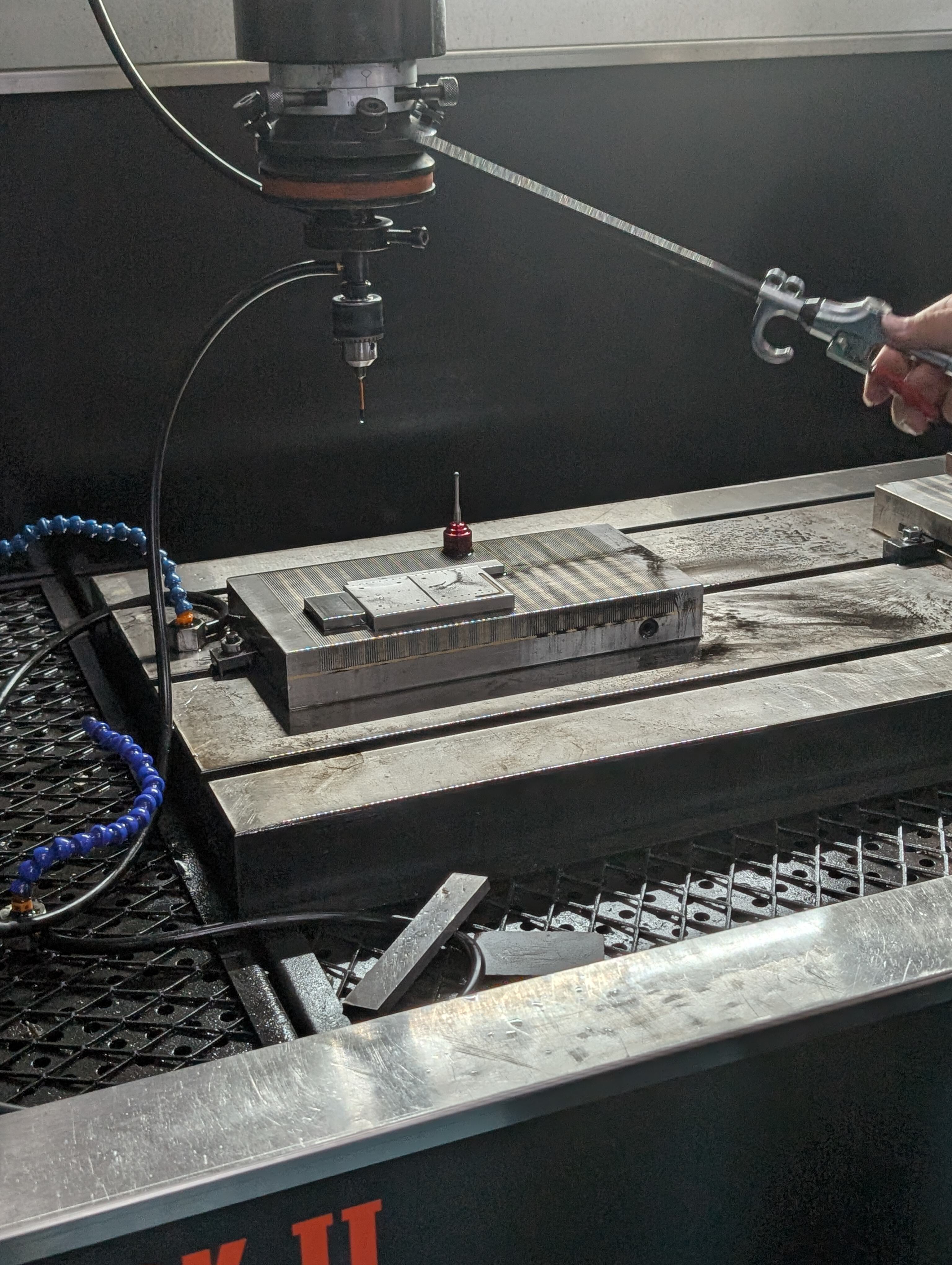
The precision engineering capabilities embedded within custom plastic mold manufacturing establish this process as the gold standard for producing components that demand exacting dimensional accuracy and flawless surface quality. Every aspect of mold construction focuses on achieving tolerances that ensure parts fit perfectly within assemblies, function reliably over extended service lives, and meet aesthetic expectations that influence consumer purchasing decisions. Modern toolmakers employ five-axis CNC machining centers that position cutting tools with sub-micron accuracy, removing material according to mathematically defined toolpaths that replicate digital models with extraordinary fidelity. Electrical discharge machining complements conventional cutting by creating features impossible through traditional methods, such as sharp internal corners, deep ribs, and complex cooling channels that wind through mold cores following conformal patterns optimized for uniform temperature distribution. Wire EDM enables the creation of through-holes and delicate features without inducing mechanical stress that might compromise mold integrity. Surface finishing techniques including precision grinding, lapping, and polishing transform machined cavities into mirror-smooth surfaces or carefully controlled textures, depending on design requirements. These surface characteristics transfer directly to molded parts, eliminating secondary operations while ensuring consistent appearance across production runs. Dimensional verification occurs throughout mold construction using coordinate measuring machines that probe thousands of surface points, comparing actual geometry against design specifications and identifying deviations requiring correction before production begins. This meticulous attention to precision extends to mold alignment systems, incorporating precision guide pins, interlocking features, and wear-resistant bushings that maintain cavity alignment through millions of cycles. The injection molding process itself leverages this precision foundation, with computer-controlled machines monitoring and adjusting injection pressure, velocity, temperature, and holding time in real-time, responding to minute variations in material behavior or ambient conditions. Cavity pressure sensors provide direct feedback about material flow and packing, enabling process engineers to optimize settings that eliminate common defects such as short shots, sink marks, warpage, and dimensional inconsistency. The result is remarkable repeatability, where parts produced at the beginning of a production run prove dimensionally indistinguishable from those manufactured months or years later, assuming proper mold maintenance protocols. This precision directly translates into reduced assembly costs, as components fit together without forcing, shimming, or adjustment, accelerating production line speeds and minimizing quality defects traced to part variation. For industries such as medical devices, aerospace components, and automotive safety systems, the precision inherent in custom plastic mold manufacturing provides essential confidence that every component meets critical specifications affecting product performance and user safety.
Material Selection Flexibility for Optimal Performance

Material Selection Flexibility for Optimal Performance

Custom plastic mold manufacturing offers extraordinary material selection flexibility, empowering you to specify thermoplastic resins engineered precisely for your application requirements, environmental conditions, regulatory constraints, and performance expectations. This materials palette extends far beyond basic commodity plastics, encompassing advanced engineering polymers formulated with specific mechanical properties, chemical resistances, thermal behaviors, and aesthetic characteristics. Understanding material selection begins with recognizing that different thermoplastics exhibit vastly different behaviors under stress, temperature extremes, chemical exposure, and ultraviolet radiation. Commodity resins such as polypropylene deliver excellent chemical resistance and fatigue endurance at economical price points, making them ideal for containers, living hinges, and automotive interior components subjected to repeated flexing. Acrylonitrile butadiene styrene provides superior impact strength and surface finish quality, explaining its prevalence in consumer electronics housings, appliance components, and toys requiring attractive appearance combined with durability. Polycarbonate offers remarkable impact resistance and optical clarity, serving applications ranging from safety glasses and automotive lighting lenses to transparent equipment guards and bullet-resistant barriers. Engineering-grade nylons deliver exceptional wear resistance, low friction coefficients, and high-temperature capability, making them preferred materials for gears, bearings, and under-hood automotive applications. Glass-filled variants incorporate chopped glass fibers that dramatically increase stiffness and dimensional stability while reducing thermal expansion, enabling precision components that maintain tight tolerances across temperature ranges. Flame-retardant formulations meet stringent flammability requirements for electrical enclosures, aircraft interiors, and building products without compromising mechanical performance. Medical-grade resins undergo extensive biocompatibility testing, ensuring they produce no adverse reactions when contacting human tissue or bodily fluids, while maintaining sterilization capability through autoclaving, gamma radiation, or ethylene oxide exposure. Food-contact grades comply with FDA regulations, resisting flavor absorption and chemical migration that might contaminate consumable products. UV-stabilized materials incorporate additives that absorb damaging ultraviolet wavelengths, preventing the photodegradation that causes untreated plastics to become brittle, discolored, and weakened during outdoor exposure. Conductive and static-dissipative compounds protect sensitive electronics from electrostatic discharge damage while enabling components to function within electromagnetic interference specifications. Transparent, translucent, and opaque variants, available in virtually unlimited colors through masterbatch addition, eliminate secondary painting operations while ensuring color consistency impossible to achieve through applied finishes. The custom plastic mold manufacturing process accommodates these diverse materials, with process parameters adjusted to match each resin's specific melt temperature, flow characteristics, and cooling requirements, ensuring optimal part quality regardless of material selection. This flexibility enables you to optimize total product cost by specifying materials that deliver exactly the performance your application demands without over-engineering or accepting unnecessary compromises.

Rapid Production Scalability for Market Responsiveness

Rapid Production Scalability for Market Responsiveness

The rapid production scalability inherent in custom plastic mold manufacturing provides businesses with unmatched ability to respond dynamically to market opportunities, demand fluctuations, and competitive pressures that define modern commerce. This scalability operates across multiple dimensions, from adjusting daily production volumes to transitioning between prototype quantities and full-scale manufacturing without changing fundamental processes or requiring extensive retooling. Initial prototyping leverages the same injection molding technology used for production, enabling you to validate designs using actual production materials rather than substitute materials that might behave differently, ensuring your prototypes accurately predict final product performance. Prototype molds constructed from aluminum or pre-hardened steel cost significantly less than production tooling while delivering genuine parts for testing, market research, and regulatory submissions. Once prototype validation confirms design viability, production molds incorporating multi-cavity configurations multiply output proportionally, with four-cavity molds quadrupling production rates compared to single-cavity versions, eight-cavity molds increasing capacity eightfold, and so forth. This multiplication occurs without requiring additional floor space, labor, or overhead beyond the initial capital investment in multi-cavity tooling, dramatically reducing per-unit manufacturing costs as production scales. Family molds represent another scalability approach, incorporating cavities for multiple related components within a single mold base, enabling simultaneous production of complete product families from one injection molding machine. Hot runner systems eliminate the material waste associated with traditional cold runner systems while reducing cycle times, as machines need not wait for runner solidification before ejecting parts, increasing effective capacity without additional capital equipment. Automated part removal systems, including robotic arms and conveyor integration, eliminate manual handling bottlenecks that might otherwise limit production speeds, enabling continuous operation with minimal supervision. The global availability of injection molding capacity means you can rapidly scale production beyond your owned facilities by qualifying contract manufacturers who utilize your molds, effectively multiplying production capacity overnight without capital investment in additional equipment. Seasonal demand variations and product launches become manageable through this flexible capacity access, ramping production during peak periods while reducing output during slower seasons without maintaining underutilized equipment. Geographic diversification becomes practical, with molds duplicated or production distributed across multiple regions to minimize shipping costs, reduce supply chain risks, and maintain proximity to key markets. The digital nature of mold design files facilitates this distribution, as CAD models transfer instantaneously worldwide, enabling qualified toolmakers anywhere to produce additional molds matching original specifications. Process monitoring systems connected to cloud platforms provide real-time visibility into production status, quality metrics, and equipment performance across distributed manufacturing networks, maintaining quality consistency regardless of production location. This scalability extends throughout product lifecycles, accommodating design refinements through mold modifications rather than complete replacement, protecting your tooling investment while enabling continuous improvement.