Injection Molding Services - Precision Plastic Manufacturing Solutions for High-Volume Production

application/injection-molding, application/injection-molding, 
Get a Quote
Get a Quote

injection molding

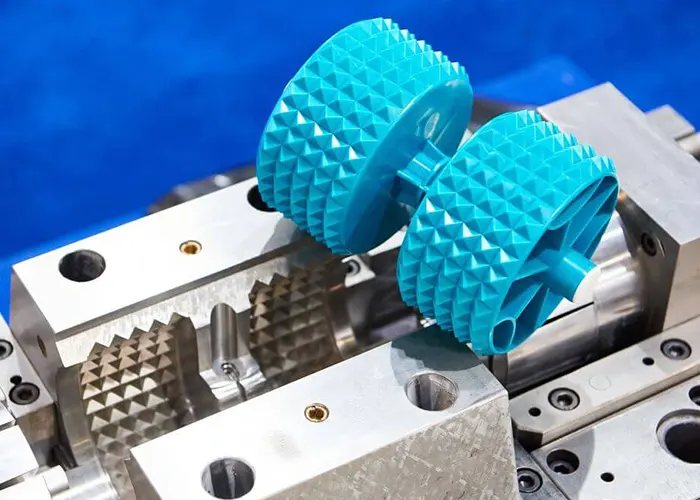
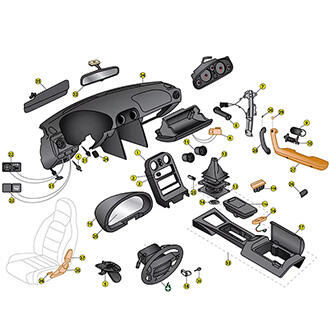
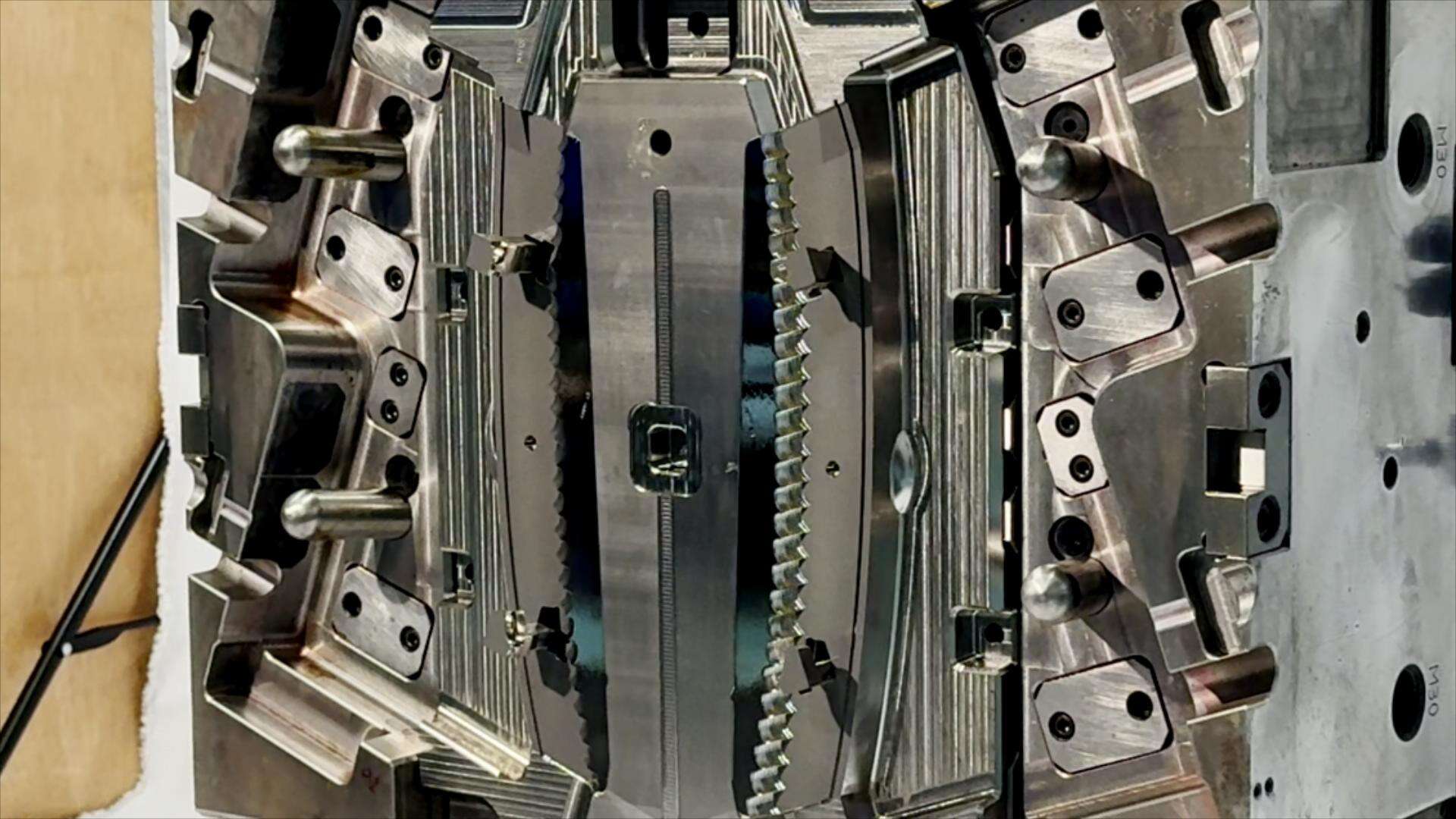
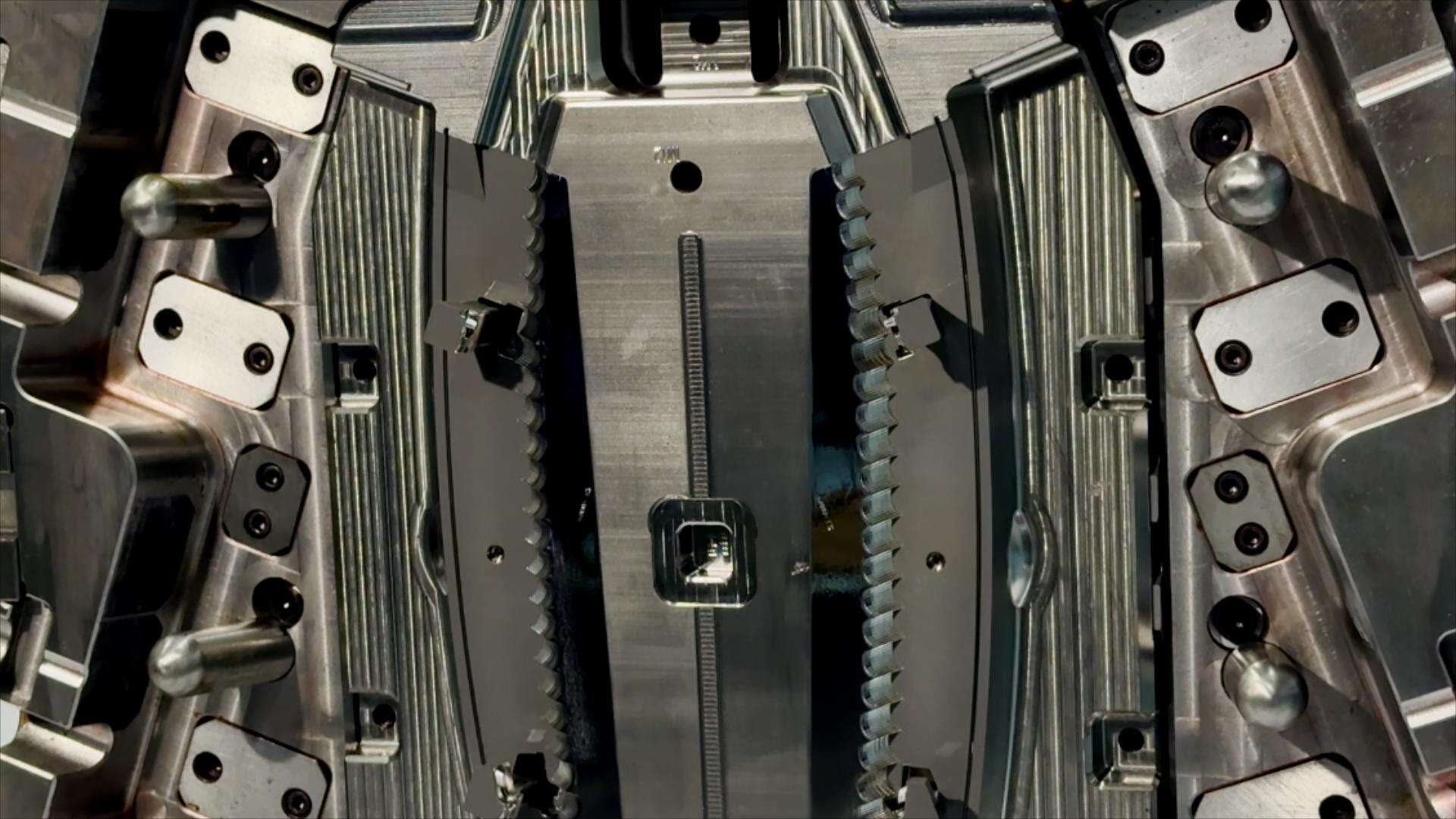
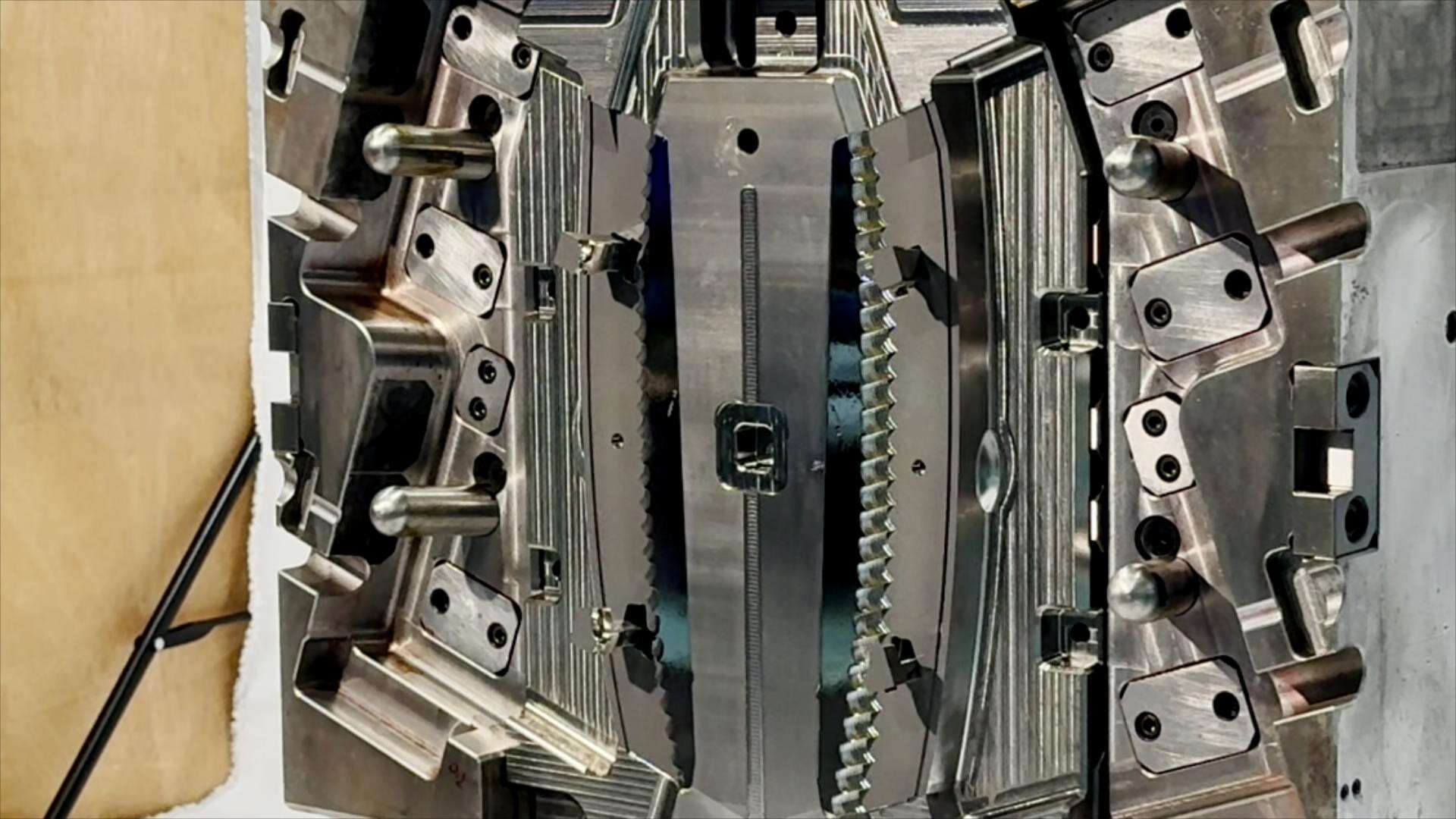
Injection molding stands as one of the most versatile and efficient manufacturing processes available today, transforming raw plastic materials into precise, complex components used across countless industries. This sophisticated technique involves heating plastic pellets until they reach a molten state, then injecting this liquid material under high pressure into a carefully designed mold cavity. Once the material cools and solidifies, the mold opens to reveal a finished part that matches exact specifications. The injection molding process excels at producing large quantities of identical parts with exceptional consistency and minimal waste. Its main functions center on creating plastic components ranging from tiny medical device elements to large automotive panels, all while maintaining tight tolerances and superior surface finishes. The technological features of injection molding include computer-controlled injection units that precisely regulate temperature, pressure, and injection speed, ensuring each cycle produces parts meeting rigorous quality standards. Modern injection molding machines incorporate advanced hydraulic or electric drive systems, sophisticated mold clamping mechanisms, and real-time monitoring capabilities that detect and correct variations before defects occur. The process accommodates an impressive variety of thermoplastic and thermosetting materials, including polyethylene, polypropylene, ABS, polycarbonate, nylon, and specialized engineering resins. Applications for injection molding span virtually every sector of modern manufacturing, from consumer electronics and household products to aerospace components and medical instruments. The automotive industry relies heavily on injection molding for dashboard components, interior trim, lighting assemblies, and under-hood parts. Medical manufacturers use this process to create syringes, surgical instruments, diagnostic equipment housings, and implantable devices. Consumer goods companies produce everything from toys and packaging containers to power tool housings and kitchen appliances through injection molding. The telecommunications sector depends on this technology for phone cases, connector housings, and network equipment enclosures. This manufacturing method continues evolving with innovations in materials science, automation, and precision control systems.

New Product Releases

Choosing injection molding for your manufacturing needs delivers substantial benefits that directly impact your bottom line and product quality. First and foremost, this process offers unmatched production efficiency, allowing you to manufacture thousands or even millions of identical parts with remarkable speed and consistency. Once you set up the mold and optimize the parameters, each cycle takes mere seconds to minutes, depending on part complexity and size. This rapid cycle time translates into lower per-unit costs, especially for high-volume production runs, making injection molding exceptionally economical when you need large quantities. The process excels at creating intricate designs with complex geometries that would prove difficult or impossible using other manufacturing methods. You can incorporate fine details, textured surfaces, threads, undercuts, and multiple components into a single molded part, reducing assembly requirements and labor costs. Material efficiency represents another compelling advantage, as injection molding generates minimal waste compared to subtractive manufacturing processes. The system uses nearly all the raw material, and any excess plastic from runners and sprues can be recycled and reintroduced into production. This efficient material usage reduces costs and supports environmental sustainability goals. The consistency and repeatability of injection molding ensure that every part matches your specifications precisely, maintaining tight tolerances across entire production runs. This reliability eliminates the quality variations common in manual manufacturing processes, reducing defect rates and the need for extensive quality inspections. You gain predictable outcomes that meet demanding quality standards consistently. Injection molding accommodates an extensive range of plastic materials, each offering distinct properties suited to specific applications. You can select materials based on required strength, flexibility, heat resistance, chemical resistance, transparency, or color, tailoring parts to meet exact performance requirements. The process also allows material combinations through overmolding and insert molding techniques, creating parts with multiple materials or integrated metal components. Design flexibility extends to surface finishes, with options ranging from high-gloss polish to textured patterns, all achieved directly in the mold without secondary operations. Color integration during molding eliminates painting requirements, reducing costs and production time. The automated nature of modern injection molding reduces labor expenses significantly, as machines operate continuously with minimal human intervention. Automated systems handle material feeding, injection, cooling, ejection, and quality monitoring, freeing workers for higher-value tasks. This automation also improves workplace safety by reducing direct human interaction with hot materials and heavy machinery. Injection molding delivers exceptional strength-to-weight ratios, producing durable parts that remain lightweight, crucial for applications where weight reduction matters. The process creates parts with uniform wall thickness and structural integrity that resist stress and impact effectively.

Practical Tips

What makes custom injection molding a cost-effective production solution?

29

Apr

What makes custom injection molding a cost-effective production solution?

Manufacturing decision-makers constantly seek production methods that balance quality, speed, and economic efficiency. Custom injection molding has emerged as a dominant solution across industries ranging from automotive and medical devices to consum...
View More
What makes plastic moulding essential for high-volume manufacturing today?

27

May

What makes plastic moulding essential for high-volume manufacturing today?

In the modern industrial landscape, few manufacturing processes have proven as indispensable as plastic moulding. As production demands escalate across industries ranging from automotive to consumer electronics, the ability to manufacture complex, co...
View More
What Are the Key Steps Involved in Professional Mold Making?

27

May

What Are the Key Steps Involved in Professional Mold Making?

Professional mold making is one of the most technically demanding disciplines in modern manufacturing. Whether you are producing plastic components, rubber parts, or composite structures, the quality of the mold directly determines the quality, consi...
View More
How Does Plastic Injection Mold Technology Improve Production Efficiency?

27

May

How Does Plastic Injection Mold Technology Improve Production Efficiency?

In modern manufacturing, the pressure to produce more in less time without sacrificing quality has never been greater. plastic injection mold technology has emerged as one of the most reliable answers to that challenge. By enabling the rapid, repeata...
View More

Get a Free Quote

Our representative will contact you soon.
0/1000
Superior Cost Efficiency Through High-Volume Production Capabilities

Superior Cost Efficiency Through High-Volume Production Capabilities

When you evaluate manufacturing methods for plastic components, the cost advantages of injection molding become increasingly apparent as production volumes rise. The economics of this process create a compelling value proposition that smart manufacturers leverage to maximize profitability while maintaining competitive pricing. Understanding how injection molding achieves superior cost efficiency helps you make informed decisions about your production strategy. The initial investment in mold tooling represents the primary upfront cost, with precision molds ranging from moderate to substantial depending on complexity, size, and expected production volume. However, this initial expenditure distributes across thousands or millions of parts, making the per-unit tooling cost negligible for high-volume runs. Once you amortize the mold cost, the actual production expenses drop dramatically compared to alternative methods. Each molding cycle consumes relatively small amounts of energy and material, while producing parts rapidly without requiring skilled labor to monitor every step. Modern injection molding machines incorporate energy-efficient technologies such as electric servo motors and optimized heating systems that reduce operational costs substantially. These machines maintain precise control while consuming less power than older hydraulic systems, lowering your utility expenses over time. The raw material costs remain competitive because you purchase plastic resins in bulk quantities at favorable prices, and the process converts nearly all material into finished parts with minimal waste. Any excess plastic from runners, gates, and rejected parts can undergo grinding and reprocessing, returning to production and further reducing material expenses. Labor costs stay remarkably low because automation handles most production tasks, with a single operator capable of monitoring multiple machines simultaneously. This efficient labor utilization means you pay fewer wages per part produced compared to labor-intensive manufacturing methods. The rapid cycle times characteristic of injection molding translate directly into higher throughput and lower manufacturing costs per unit. Depending on part geometry and material selection, cycle times range from just a few seconds for small components to several minutes for larger parts, enabling production of hundreds or thousands of parts daily from a single mold. This speed allows you to fulfill large orders quickly, respond to market demand efficiently, and maintain lean inventory practices that reduce carrying costs. The consistency and quality inherent in injection molding minimize rejection rates and rework expenses, ensuring that nearly every part meets specifications and ships to customers. This reliability eliminates the hidden costs associated with quality problems, warranty claims, and customer dissatisfaction that can plague less precise manufacturing methods.
Exceptional Design Versatility and Complex Geometry Capabilities

Exceptional Design Versatility and Complex Geometry Capabilities

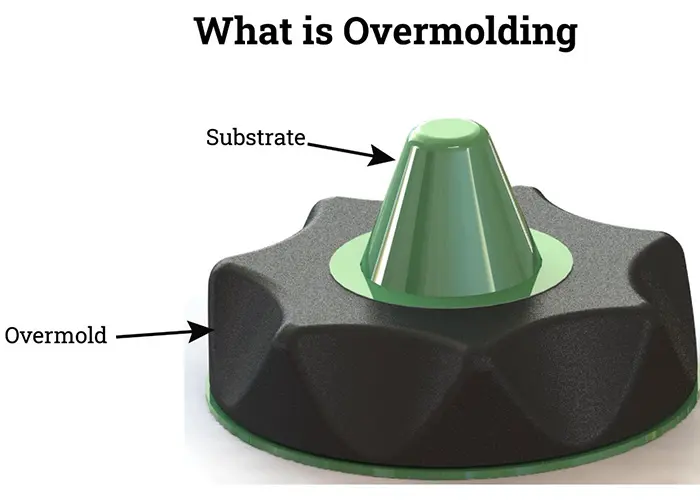
Injection molding empowers designers and engineers to transform innovative concepts into physical reality with a level of geometric complexity and design freedom unmatched by most other manufacturing processes. This versatility opens creative possibilities that enable product differentiation, functional integration, and aesthetic excellence across diverse applications. When you leverage the design capabilities of injection molding, you gain competitive advantages through superior product features and streamlined manufacturing. The process accommodates intricate three-dimensional shapes that incorporate curves, angles, varying wall thicknesses, and internal features that would challenge or defeat alternative methods. You can design parts with complex contours that fit ergonomically in human hands, nest efficiently with other components, or satisfy specific functional requirements. Thin-walled sections that reduce material usage and part weight combine with reinforcing ribs and bosses that maintain structural strength exactly where needed. Injection molding creates these varied features simultaneously in a single operation, eliminating multiple manufacturing steps and assembly processes. Surface texture application occurs directly in the mold, with options ranging from mirror-smooth finishes for optical clarity to intricate grain patterns that enhance grip or visual appeal. This surface control happens during molding without secondary finishing operations, saving time and money while ensuring consistency across all parts. The process readily incorporates functional features such as living hinges, snap fits, threads, and mounting bosses directly into molded components, reducing the need for separate fasteners and simplifying assembly. These integrated design elements lower your total product costs and improve reliability by minimizing potential failure points. Advanced molding techniques expand design possibilities even further, with overmolding allowing you to combine multiple materials in a single part for enhanced functionality. You can mold a soft, grippy elastomer over a rigid structural base, creating products with comfortable handles, sealed interfaces, or vibration-damping properties. Insert molding permanently encapsulates metal components such as threaded inserts, electrical contacts, or structural reinforcements within plastic parts, creating robust assemblies that combine the best properties of different materials. Multi-cavity molds produce several identical or different parts simultaneously, maximizing productivity and reducing per-unit costs for families of related components. Family molds that create multiple part variations in one cycle streamline production for products requiring several sizes or configurations. The precision achievable through injection molding supports tight tolerances essential for parts that must fit together perfectly or meet exacting functional requirements. Modern molds and process controls maintain dimensional accuracy within thousandths of an inch, ensuring consistent fit and function across entire production runs. This precision eliminates the need for post-molding machining or adjustment in most applications, further reducing costs and accelerating production schedules.
Remarkable Material Selection and Performance Optimization Options

Remarkable Material Selection and Performance Optimization Options

The breadth of material choices available for injection molding provides tremendous flexibility to optimize part performance, cost, and sustainability for your specific application requirements. This material versatility ensures you can select plastics with precisely the right combination of mechanical properties, environmental resistance, regulatory compliance, and aesthetic qualities needed for success. Understanding these material options empowers you to make strategic decisions that enhance product performance while controlling costs. Thermoplastic resins dominate injection molding applications, offering an impressive spectrum of properties suitable for countless uses. Commodity plastics such as polyethylene and polypropylene deliver excellent chemical resistance, low moisture absorption, and economical pricing for everyday products like containers, packaging, and household items. Engineering thermoplastics including ABS, polycarbonate, and nylon provide superior strength, heat resistance, and dimensional stability required for demanding applications in automotive, electronics, and industrial equipment. High-performance polymers such as PEEK, PPS, and liquid crystal polymers serve specialized needs in aerospace, medical, and extreme-environment applications where exceptional temperature resistance, chemical inertia, or biocompatibility prove essential. Each material family includes numerous grades tailored for specific requirements, with additives that modify properties such as impact resistance, UV stability, flame retardancy, electrical conductivity, or antimicrobial activity. This customization allows you to fine-tune material selection to match exact application demands without over-specifying expensive high-performance resins where standard grades suffice. Material suppliers continuously develop new formulations that expand capabilities and address emerging needs such as bio-based plastics derived from renewable resources, recycled content plastics that support circular economy initiatives, and specialty compounds engineered for additive manufacturing compatibility. The injection molding process accommodates material blends and alloys that combine desirable properties from multiple resins, creating performance profiles unavailable in single-polymer systems. Glass or carbon fiber reinforcement transforms base resins into structural materials with dramatically increased strength and stiffness while maintaining relatively low weight. These reinforced compounds enable plastic parts to replace metal components in load-bearing applications, reducing overall product weight and manufacturing costs. Colorants integrated during compounding or added at the molding machine provide unlimited color options without secondary painting or coating operations, ensuring color consistency throughout the part and eliminating finish durability concerns. Special effect additives create metallic appearances, pearlescent finishes, or glow-in-the-dark properties that enhance product appeal and brand differentiation. Material selection directly influences part cost, with careful analysis revealing opportunities to reduce expenses without sacrificing essential performance attributes. Experienced engineers evaluate actual service conditions to specify appropriate materials that meet requirements without unnecessary over-engineering. The ability to prototype with production materials through injection molding provides realistic performance validation before committing to full-scale manufacturing, reducing the risk of costly material selection errors. Regulatory compliance becomes straightforward when you select materials certified for specific applications such as food contact, medical devices, or electrical insulation, with resin suppliers providing comprehensive documentation supporting regulatory submissions and quality assurance programs.