Plastic Injection Manufacturing: Complete Guide to Process, Benefits & Applications

application/plastic-injection-manufacturing, application/plastic-injection-manufacturing, 
Get a Quote
Get a Quote

plastic injection manufacturing

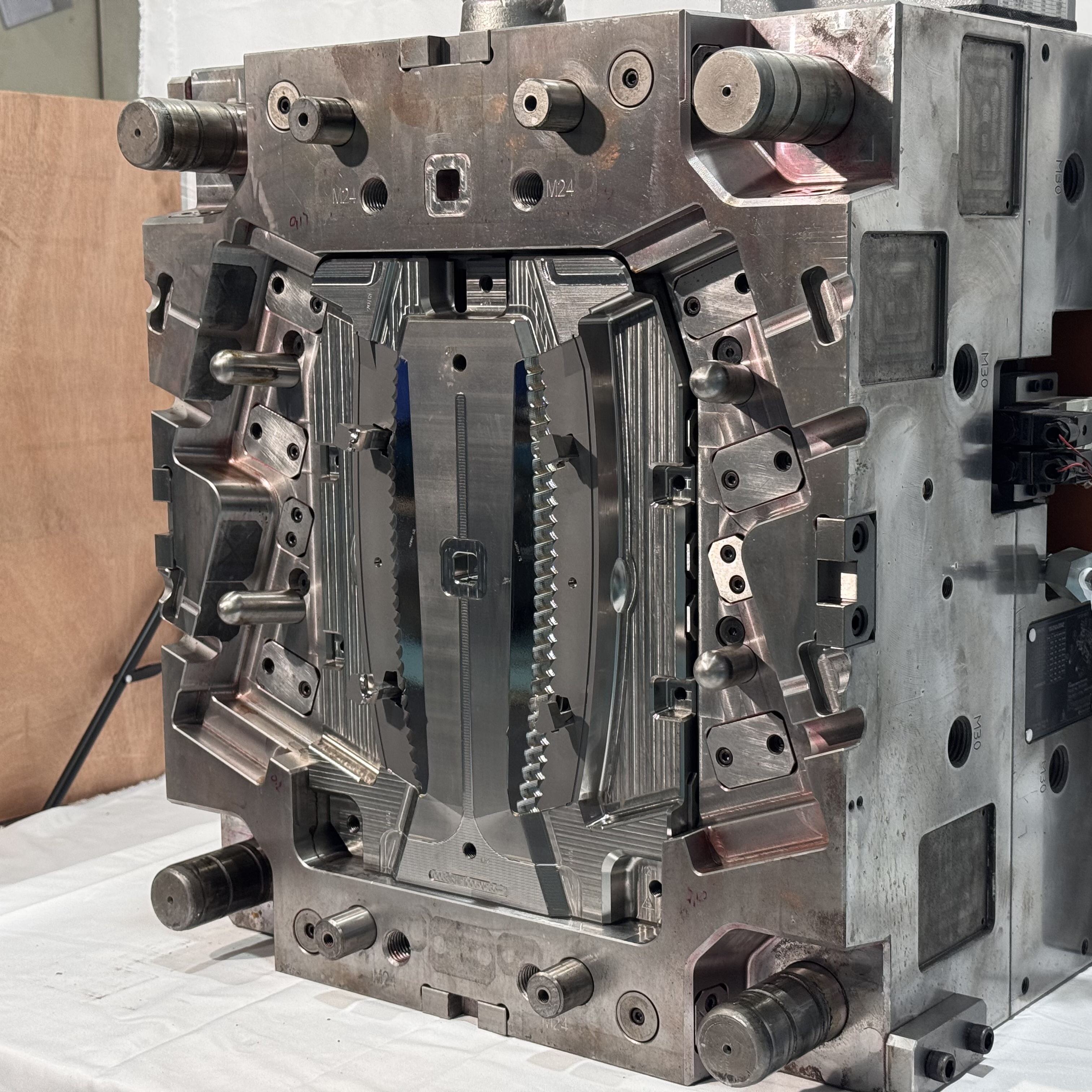
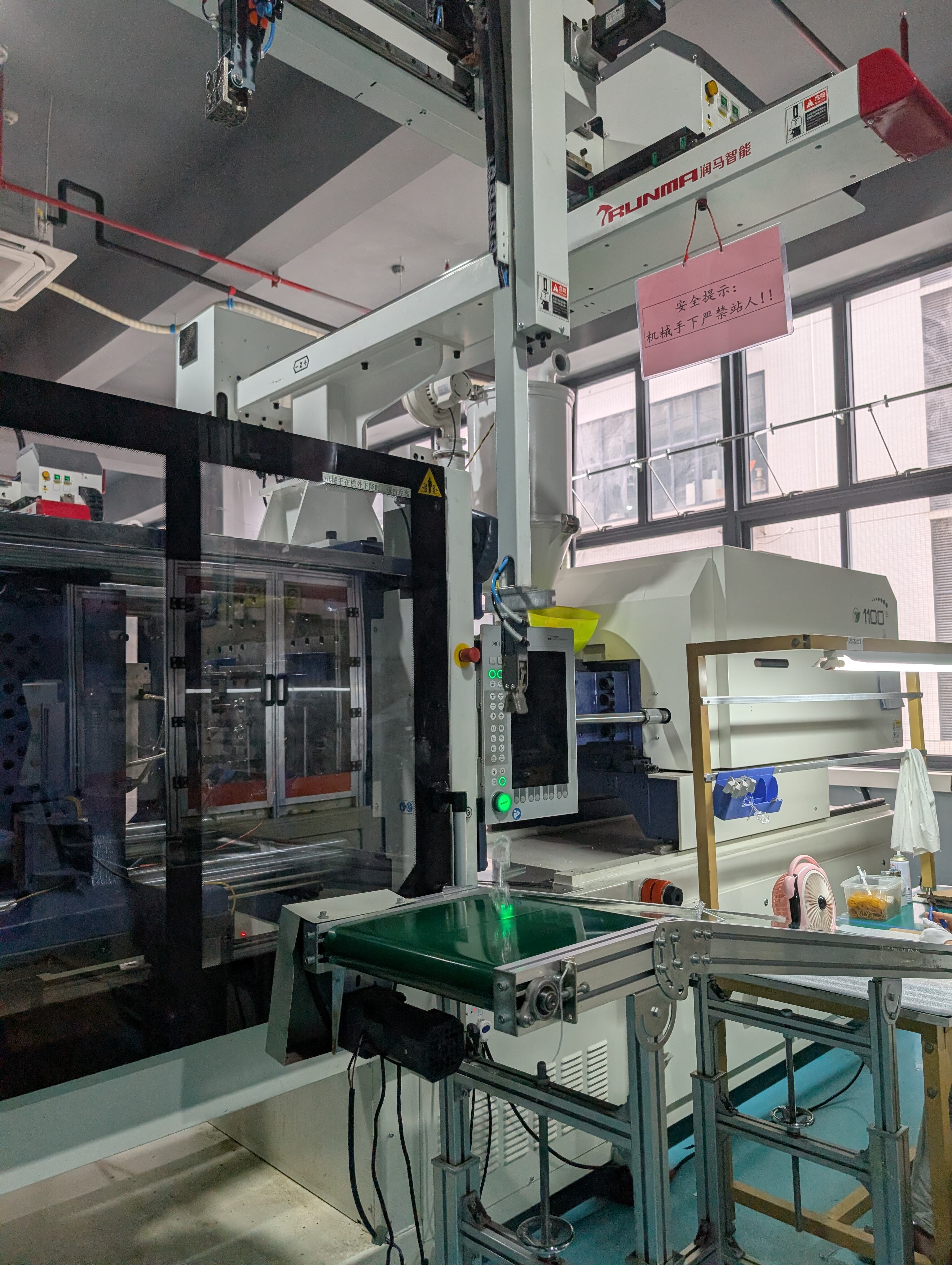
Plastic injection manufacturing represents one of the most versatile and efficient production methods in modern industry. This sophisticated process involves melting plastic materials and injecting them under high pressure into precision-engineered molds, where they cool and solidify into finished products. The plastic injection manufacturing technique has revolutionized how companies produce everything from tiny medical components to large automotive parts. At its core, this manufacturing approach combines advanced machinery, precise temperature control, and carefully designed tooling to create consistent, high-quality plastic parts at scale. The main functions of plastic injection manufacturing include mass production of identical parts, creation of complex geometries that would be impossible with other methods, and integration of multiple features into single components. Technological features that define this process include computer-controlled injection parameters, multi-cavity mold capabilities, automated part ejection systems, and real-time quality monitoring. Modern plastic injection manufacturing systems can achieve tolerances within thousandths of an inch, ensuring exceptional dimensional accuracy across production runs. The process accommodates hundreds of different thermoplastic and thermoset materials, each offering unique properties such as flexibility, strength, chemical resistance, or transparency. Applications span virtually every industry imaginable. In automotive manufacturing, plastic injection manufacturing produces dashboard components, interior trim, lighting housings, and under-hood parts. The medical sector relies on this process for syringes, diagnostic equipment housings, surgical instruments, and drug delivery devices. Consumer electronics manufacturers use plastic injection manufacturing for smartphone cases, computer housings, appliance components, and countless other products. The packaging industry depends heavily on this technology for bottles, containers, caps, and closures. Toys, household goods, construction materials, and industrial equipment all benefit from plastic injection manufacturing capabilities. This manufacturing method continues evolving with innovations like multi-shot molding, insert molding, overmolding, and gas-assisted injection, expanding possibilities for product designers and engineers seeking optimal solutions for their production needs.

New Product Releases

Choosing plastic injection manufacturing for your production needs delivers numerous practical benefits that directly impact your bottom line and product quality. First and foremost, this method offers unmatched cost efficiency for medium to high volume production runs. Once the initial mold investment is made, the per-unit cost drops dramatically, making it economical to produce thousands or millions of identical parts. The speed of production stands as another significant advantage, with cycle times ranging from just seconds to a few minutes depending on part complexity and size. This rapid production capability means faster time-to-market for your products and the ability to meet demanding delivery schedules. Material efficiency represents another key benefit, as plastic injection manufacturing generates minimal waste compared to subtractive manufacturing methods. The process uses nearly all the raw material, with any excess typically recyclable back into production. This efficiency translates to lower material costs and reduced environmental impact. The design flexibility offered by plastic injection manufacturing opens creative possibilities that other processes simply cannot match. You can incorporate complex features like threads, undercuts, logos, textures, and multiple colors directly into parts without secondary operations. This consolidation of features reduces assembly time and labor costs while improving product reliability by eliminating potential failure points at joints. Consistency and repeatability ensure that every part meets exact specifications, reducing quality control costs and product returns. Automated production minimizes human error and maintains tight tolerances across entire production runs. The wide material selection available enables you to choose plastics with precisely the properties your application demands, whether you need UV resistance, food-grade certification, flame retardancy, or specific mechanical characteristics. Surface finish quality comes directly from the mold, eliminating or reducing finishing operations like painting or polishing. You can achieve glossy, matte, textured, or patterned surfaces as part of the molding process itself. Strength and durability can be enhanced through techniques like fiber reinforcement, creating parts that rival metal components at a fraction of the weight. The ability to produce thin-walled parts reduces material usage and product weight without sacrificing structural integrity. This weight reduction proves especially valuable in automotive and aerospace applications where every gram matters. Labor costs remain low since plastic injection manufacturing systems operate with minimal supervision, often running continuously with automated material feeding and part removal. The scalability of this process means you can start with smaller production volumes and expand as demand grows, using the same molds and processes. Finally, plastic injection manufacturing supports sustainable practices through material recycling, energy-efficient equipment, and the ability to use bio-based or recycled plastics without compromising quality.

Practical Tips

What makes custom injection molding a cost-effective production solution?

29

Apr

What makes custom injection molding a cost-effective production solution?

Manufacturing decision-makers constantly seek production methods that balance quality, speed, and economic efficiency. Custom injection molding has emerged as a dominant solution across industries ranging from automotive and medical devices to consum...
View More
How to choose reliable suppliers for custom plastic injection molding?

29

Apr

How to choose reliable suppliers for custom plastic injection molding?

Selecting the right partner for custom plastic injection molding represents one of the most critical decisions manufacturing businesses face when developing new products or scaling production. The supplier you choose directly impacts product quality,...
View More
Why choose a plastic molding company for large-scale production needs?

08

May

Why choose a plastic molding company for large-scale production needs?

Manufacturing leaders tasked with scaling production volumes face a pivotal decision: whether to invest in in-house tooling infrastructure or partner with a specialized plastic molding company. Large-scale production demands not only high output capa...
View More
What Are the Key Steps Involved in Professional Mold Making?

27

May

What Are the Key Steps Involved in Professional Mold Making?

Professional mold making is one of the most technically demanding disciplines in modern manufacturing. Whether you are producing plastic components, rubber parts, or composite structures, the quality of the mold directly determines the quality, consi...
View More

Get a Free Quote

Our representative will contact you soon.
0/1000
Exceptional Design Freedom and Complex Geometry Capabilities

Exceptional Design Freedom and Complex Geometry Capabilities

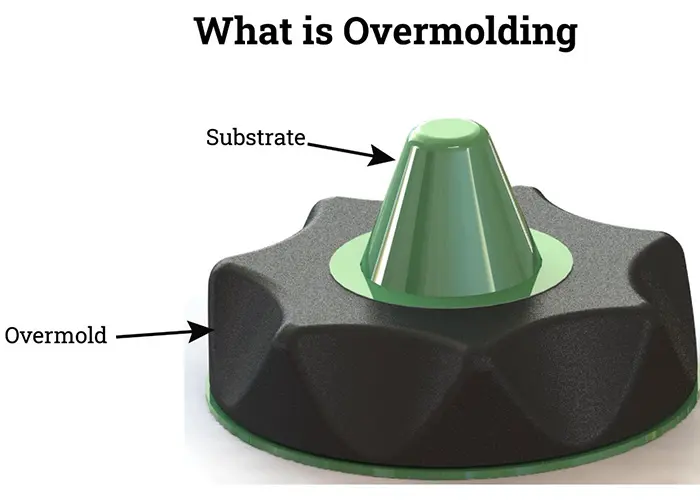
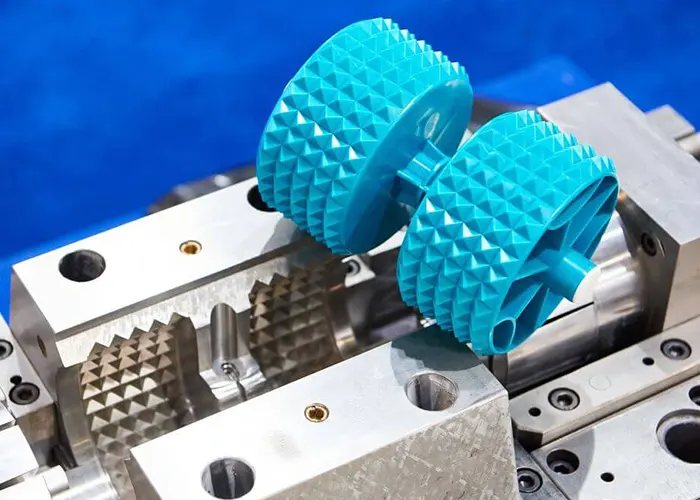
Plastic injection manufacturing stands apart from other production methods through its remarkable ability to create intricate designs and complex geometries that would be impossible or prohibitively expensive using alternative techniques. This design freedom fundamentally changes how engineers and product developers approach problem-solving, enabling innovation that directly translates into better products and competitive advantages. The process allows manufacturers to consolidate multiple components into single molded parts, eliminating assembly steps, reducing labor costs, and improving product reliability by removing potential failure points. Complex internal features, varying wall thicknesses, intricate surface textures, and precise dimensional details can all be incorporated directly into the mold design. This capability proves invaluable when creating products that must meet strict functional requirements while maintaining aesthetic appeal. Consider the automotive industry, where plastic injection manufacturing enables the creation of dashboard assemblies with integrated air vents, mounting bosses, snap fits, and decorative elements all formed in one operation. Medical device manufacturers leverage this design freedom to produce components with internal fluid channels, sterile surfaces, and ergonomic shapes that enhance user experience and patient outcomes. The technology supports various advanced molding techniques that further expand design possibilities. Overmolding allows manufacturers to combine different materials in a single part, creating products with soft-touch grips on rigid structures or adding sealing elements directly onto housings. Insert molding permanently encapsulates metal components within plastic parts, creating robust assemblies with electrical conductivity where needed and insulation where required. Multi-shot molding produces parts with multiple colors or materials without assembly, enabling creative designs and functional benefits like improved grip surfaces or visual indicators. Gas-assisted injection creates hollow sections within parts, reducing material usage and weight while maintaining structural strength. These capabilities enable manufacturers to optimize product performance by placing material precisely where needed and removing it where it serves no purpose. The design freedom extends to surface finishing options, with molds capable of reproducing everything from high-gloss mirror finishes to complex textures that enhance grip or hide cosmetic imperfections. Logos, text, and decorative elements can be molded directly into parts, eliminating expensive secondary operations like pad printing or labeling. This integration of features and finishes streamlines production workflows and ensures consistent quality across all units produced.
Unmatched Production Efficiency and Scalability

Unmatched Production Efficiency and Scalability

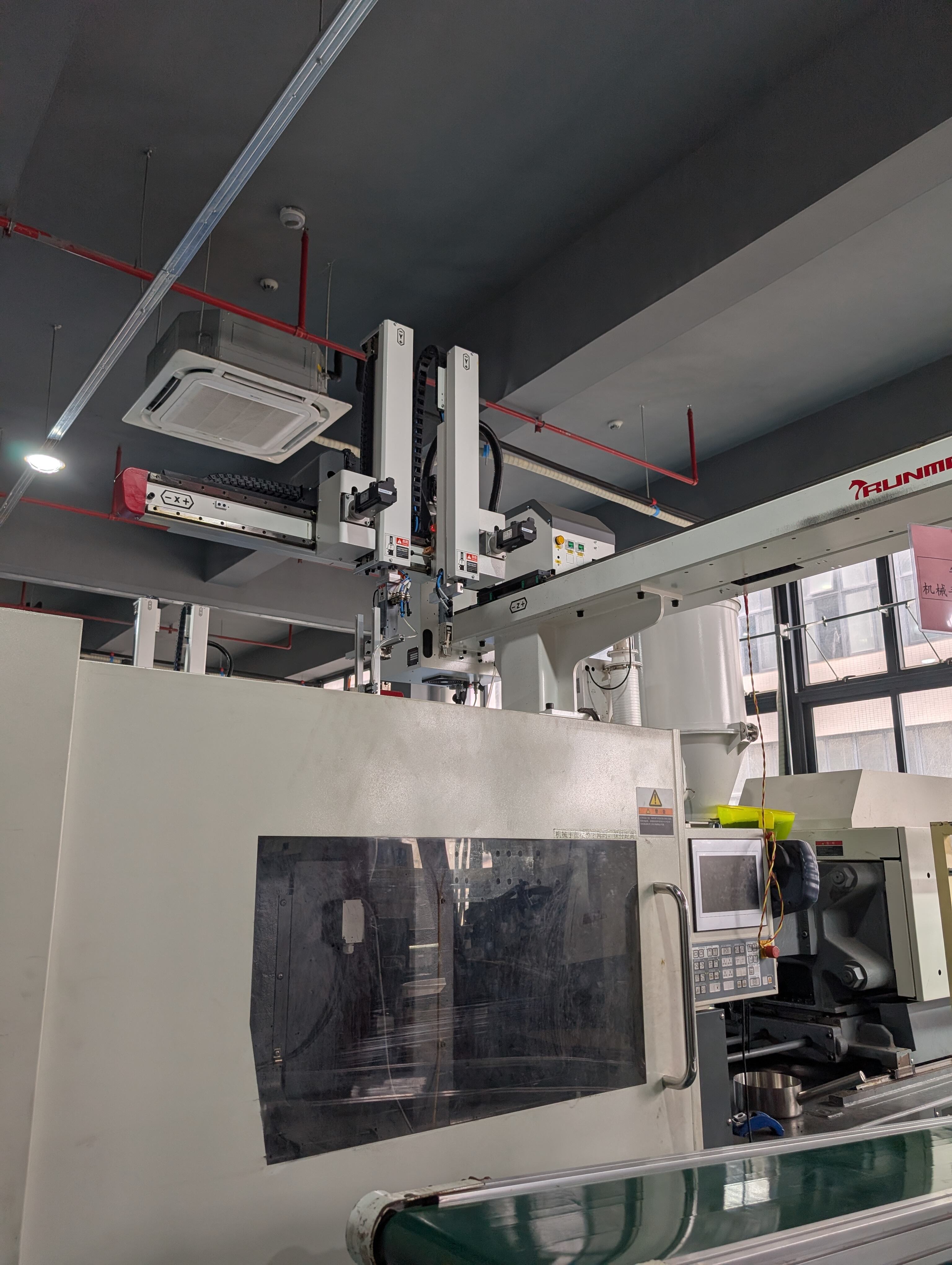
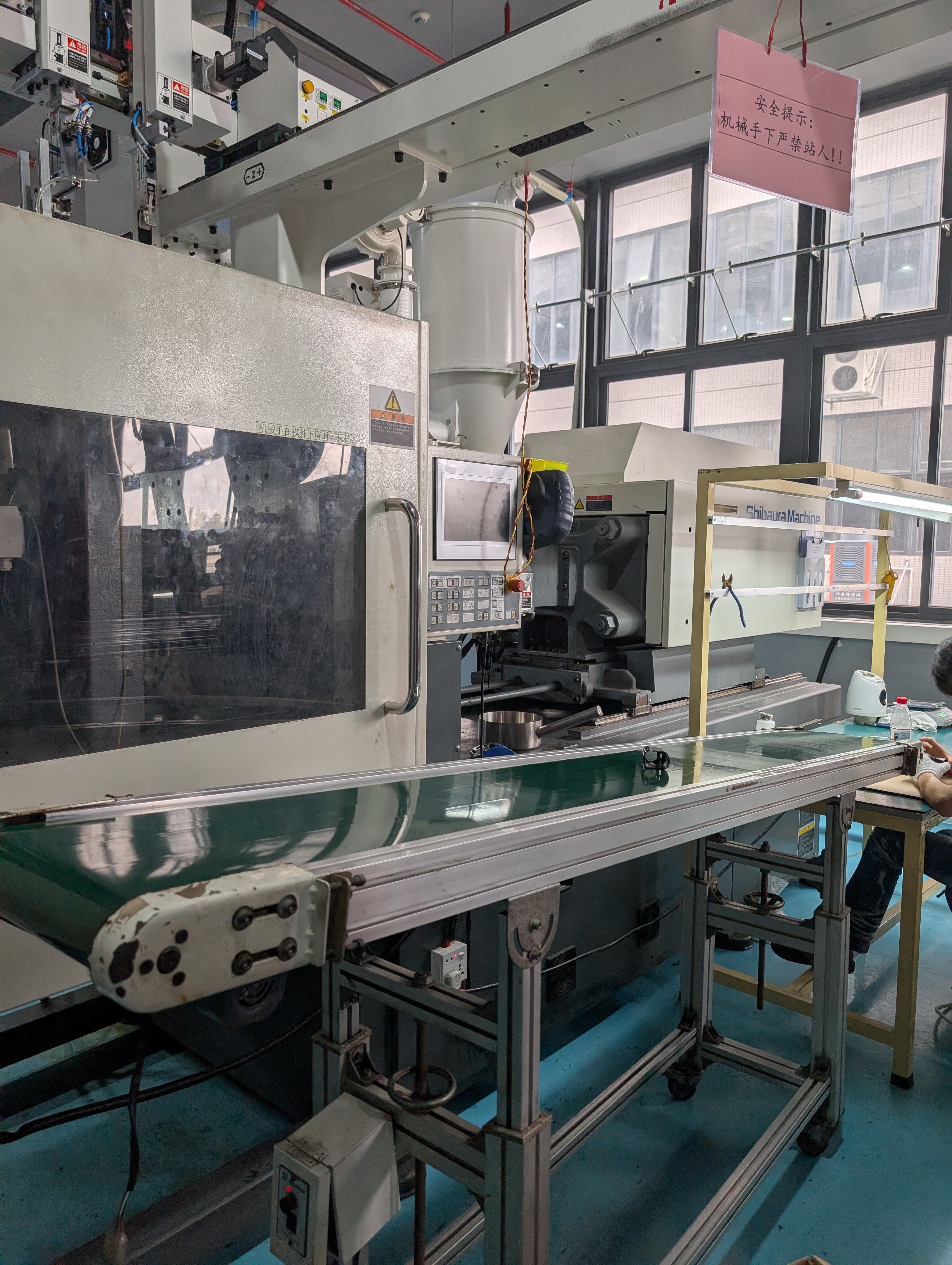
The production efficiency inherent in plastic injection manufacturing delivers compelling economic advantages that make it the preferred choice for businesses seeking to maximize output while minimizing costs. This manufacturing approach achieves cycle times that other processes simply cannot match, with many parts completed in under sixty seconds from material injection to finished product ejection. Such speed translates directly into higher production volumes, faster order fulfillment, and improved responsiveness to market demands. The automated nature of modern plastic injection manufacturing systems enables continuous operation with minimal human intervention, dramatically reducing labor costs while maintaining consistent quality standards. Advanced machinery equipped with robotic part removal, automated quality inspection, and material handling systems can operate around the clock, maximizing equipment utilization and return on investment. This automation also improves workplace safety by removing personnel from potentially hazardous operations involving high temperatures and pressures. The scalability of plastic injection manufacturing provides businesses with flexibility to grow production capacity as market demand increases. Initial production runs can be conducted with single-cavity molds, then scaled up by adding more cavities or additional machines using identical tooling specifications. This scalability ensures that companies can start production without massive upfront investments while maintaining the option to expand rapidly when justified by sales volumes. Material utilization efficiency contributes significantly to overall production economics. Unlike machining operations that remove material to create parts, plastic injection manufacturing uses an additive approach where nearly all material becomes part of the finished product. Runner systems and sprues can be reground and reused, minimizing waste and reducing material costs. Modern hot runner systems eliminate runners entirely, further improving material efficiency and reducing cycle times by eliminating cooling time for unnecessary material. Energy efficiency has improved dramatically with recent technological advances in plastic injection manufacturing equipment. Electric and hybrid injection molding machines consume significantly less energy than traditional hydraulic systems while delivering superior precision and repeatability. Variable speed drives, efficient heating systems, and optimized cooling channels all contribute to reduced operational costs and environmental impact. The ability to produce parts with tight tolerances directly from the mold eliminates or reduces secondary operations like trimming, drilling, or finishing. This reduction in handling and processing saves time, reduces labor costs, and minimizes the risk of damage or dimensional variation introduced by additional manufacturing steps. Quality consistency achieved through plastic injection manufacturing reduces scrap rates, rework costs, and customer returns, all of which directly impact profitability and brand reputation.
Vast Material Selection and Performance Optimization

Vast Material Selection and Performance Optimization

The extensive range of materials compatible with plastic injection manufacturing empowers designers and engineers to select precisely the right properties for each specific application, optimizing product performance while controlling costs. This material versatility represents one of the most significant advantages of the process, enabling manufacturers to meet demanding requirements across diverse industries and applications. Thermoplastic materials available for plastic injection manufacturing number in the hundreds, each offering unique combinations of mechanical strength, chemical resistance, temperature tolerance, electrical properties, and aesthetic characteristics. Commodity plastics like polypropylene, polyethylene, and polystyrene provide cost-effective solutions for applications where basic performance requirements must be met economically. Engineering plastics such as ABS, polycarbonate, and nylon deliver enhanced mechanical properties, impact resistance, and dimensional stability for more demanding applications. High-performance polymers including PEEK, PPS, and liquid crystal polymers withstand extreme temperatures and aggressive chemical environments, making them suitable for aerospace, automotive, and industrial applications where failure is not an option. The ability to modify base polymers through additives and fillers further expands material possibilities. Glass fiber reinforcement dramatically increases strength and stiffness, enabling plastic parts to replace metal components in structural applications. Flame retardant additives meet stringent safety regulations for electrical and electronic products. UV stabilizers protect outdoor products from degradation caused by sunlight exposure. Colorants eliminate the need for painting or finishing operations while ensuring consistent appearance across production runs. Anti-static and conductive additives address electrical requirements in electronics manufacturing. Plastic injection manufacturing accommodates specialized materials formulated for specific industry requirements. Medical-grade plastics meet biocompatibility standards and withstand sterilization processes without degradation. Food-contact materials comply with FDA regulations ensuring product safety. Transparent materials enable optical applications and product visibility. Biodegradable and bio-based plastics address environmental concerns and sustainability goals. The material selection process considers multiple factors including mechanical loads, environmental exposure, regulatory compliance, aesthetic requirements, and cost constraints. Modern plastic injection manufacturing technology handles materials with vastly different processing characteristics, from low-viscosity fluids that fill intricate details to highly viscous engineering polymers that require precise temperature and pressure control. Material suppliers provide comprehensive technical data enabling engineers to predict product performance through simulation and testing before committing to production tooling. This reduces development risk and accelerates time-to-market for new products. The ability to combine different materials through overmolding and multi-shot techniques creates products with optimized property distributions, placing rigid materials where structural strength is needed and soft materials where comfort or sealing is required.