Material Selection Versatility and Enhanced Product Performance Characteristics
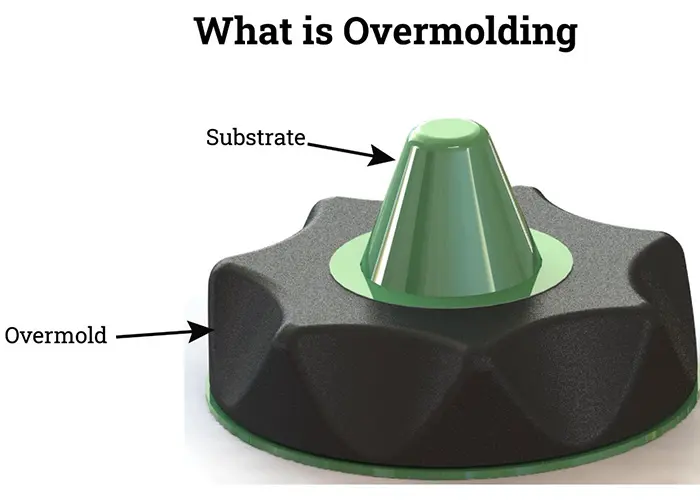
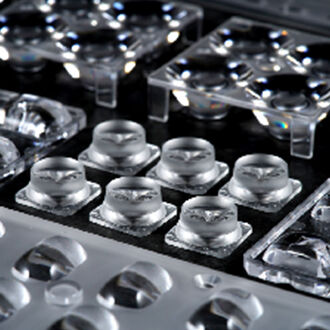
The extraordinary material versatility offered by oem plastic injection molding empowers product designers and engineers to select from hundreds of thermoplastic and thermosetting resins, each formulated to deliver specific performance characteristics that align perfectly with intended applications and operating environments. This selection flexibility extends far beyond basic commodity plastics, encompassing engineering-grade polymers with exceptional mechanical properties, specialty materials with unique functional attributes, and custom-compounded resins tailored to precise requirements. Manufacturers can specify materials based on strength-to-weight ratios, chemical resistance profiles, temperature tolerance ranges, electrical conductivity or insulation properties, optical clarity or opacity, flexibility or rigidity, and countless other parameters that determine product performance and longevity. The oem plastic injection molding process accommodates materials ranging from flexible thermoplastic elastomers that mimic rubber properties to rigid, glass-filled nylons offering strength approaching metal alloys at fractions of the weight. Medical-grade materials meet biocompatibility standards for implantable devices and surgical instruments, while food-contact approved resins ensure safety in packaging and food service applications. Flame-retardant formulations satisfy stringent safety regulations for electronics housings and building components, and UV-stabilized materials withstand years of outdoor exposure without degradation. Advanced material options include conductive plastics for electromagnetic shielding, transparent polycarbonates for optical applications, chemical-resistant fluoropolymers for laboratory equipment, and high-temperature polyimides for under-hood automotive components. The ability to incorporate reinforcing fibers, impact modifiers, colorants, and functional additives during the compounding process allows material scientists to engineer plastics with precisely tuned properties unavailable in off-the-shelf resins. Overmolding capabilities enable oem plastic injection molding to combine multiple materials in single components, creating products with soft-touch grips on rigid handles, flexible seals integrated with structural housings, or decorative elements bonded permanently to functional substrates. Insert molding technology allows metal threads, electrical contacts, or structural reinforcements to be encapsulated directly during the injection process, creating hybrid components that leverage the best properties of both plastic and metal materials. Recycled content integration addresses sustainability concerns, as post-consumer and post-industrial recycled plastics can be incorporated into many applications without sacrificing performance, reducing environmental impact while maintaining cost competitiveness. The continuous development of bio-based and biodegradable polymers compatible with oem plastic injection molding processes provides forward-thinking manufacturers with environmentally responsible material options that appeal to eco-conscious consumers and meet increasingly stringent environmental regulations, positioning companies as sustainability leaders while delivering products that perform reliably throughout their intended service lives.


 EN
EN