Long-Term Durability and Cost-Effectiveness for High-Volume Production
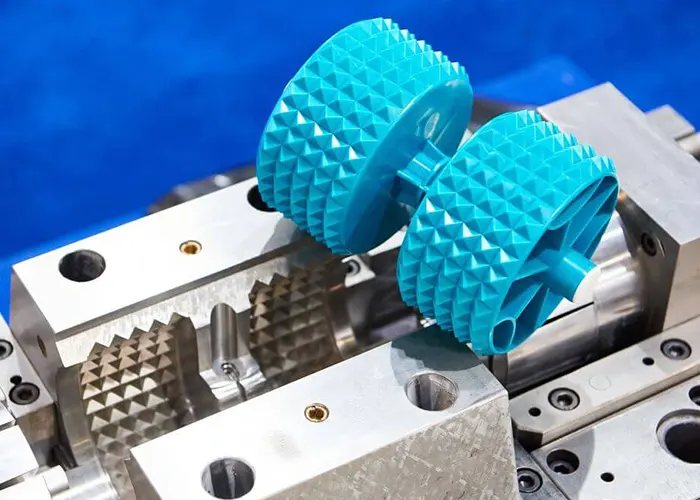
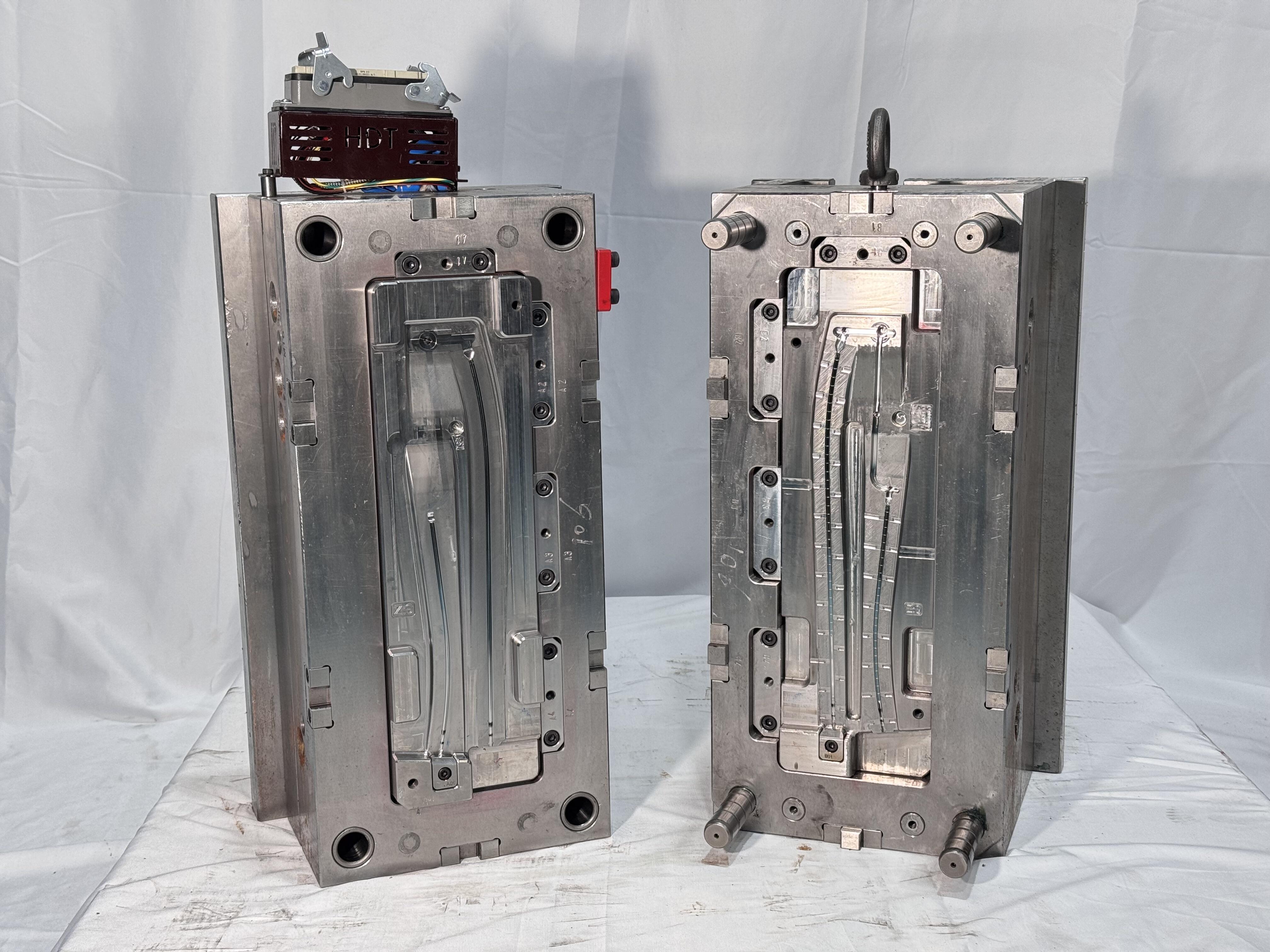
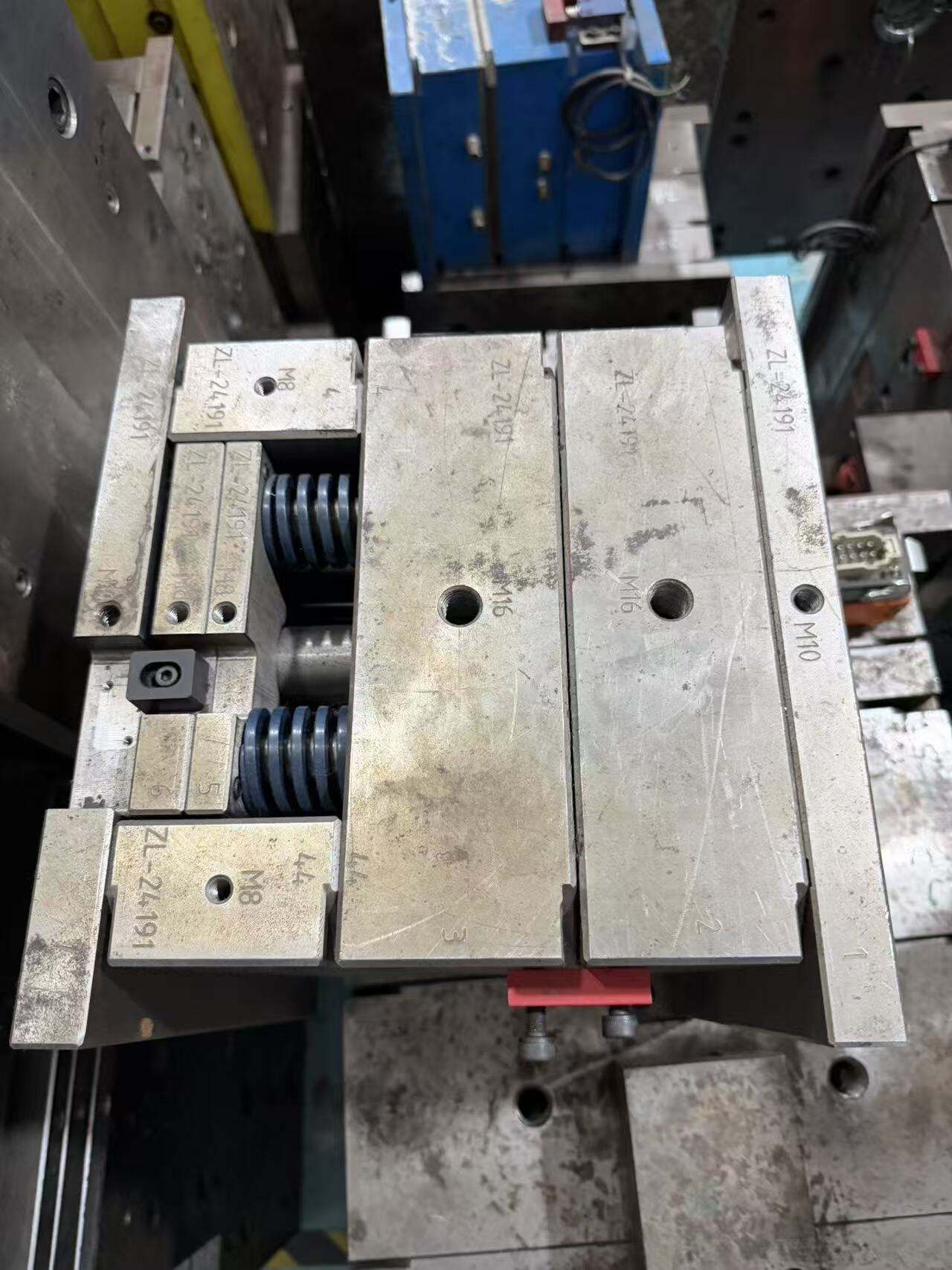
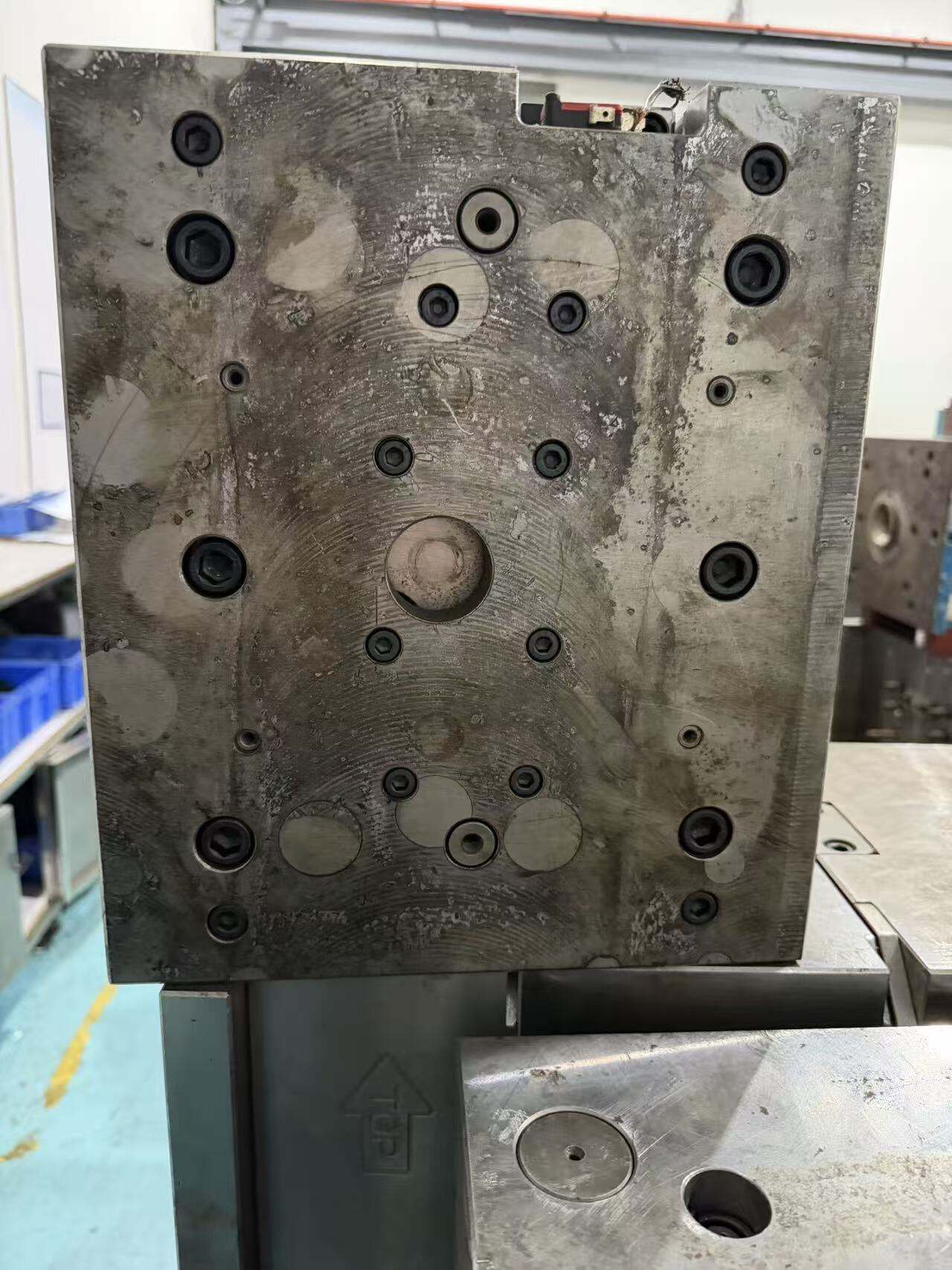
Large plastic molds represent substantial initial investments that deliver exceptional long-term value through extended operational lifespans and consistently reliable performance across hundreds of thousands or even millions of production cycles. The durability foundation begins with material selection, as mold manufacturers utilize premium tool steels and specialized alloys engineered to withstand the extreme pressures, temperatures, and repetitive mechanical stresses inherent in plastic molding operations. These materials undergo precise heat treatment processes that optimize hardness, toughness, and dimensional stability, ensuring the mold maintains its exact specifications throughout its service life. Surface treatments such as nitriding, hard chrome plating, or specialized coatings provide additional protection against wear, corrosion, and abrasion from abrasive plastic additives or reinforcing fibers. The precision machining and finishing techniques employed during large plastic molds fabrication create perfectly mating surfaces between mold halves, preventing flash formation and maintaining tight sealing even after extensive use. Replaceable wear components in high-stress areas allow maintenance teams to refresh critical surfaces without replacing entire mold sections, extending overall mold life while minimizing downtime and refurbishment costs. The economic advantages of large plastic molds become increasingly apparent as production volumes increase, with the per-part tooling cost declining proportionally with each produced component. Manufacturers producing tens of thousands of parts annually typically recover their initial mold investment within the first production year, with subsequent years generating pure cost savings compared to alternative manufacturing methods. The consistency and repeatability of large plastic molds eliminate the quality variations and rejection rates associated with manual fabrication, reducing waste disposal costs and protecting profit margins. Maintenance requirements for properly designed large plastic molds remain minimal, typically involving periodic cleaning, lubrication of moving components, and occasional inspection of critical dimensions. This low-maintenance characteristic reduces operational overhead and maximizes equipment availability for production activities. The resale or repurposing value of large plastic molds provides additional financial flexibility, as well-maintained tooling retains significant value for manufacturers producing similar components or entering related markets. The standardized mounting interfaces and controls of modern large plastic molds enable easy transfer between compatible molding machines, providing production flexibility and protecting against equipment obsolescence.


 EN
EN