Strategic Gate Design for Superior Part Quality
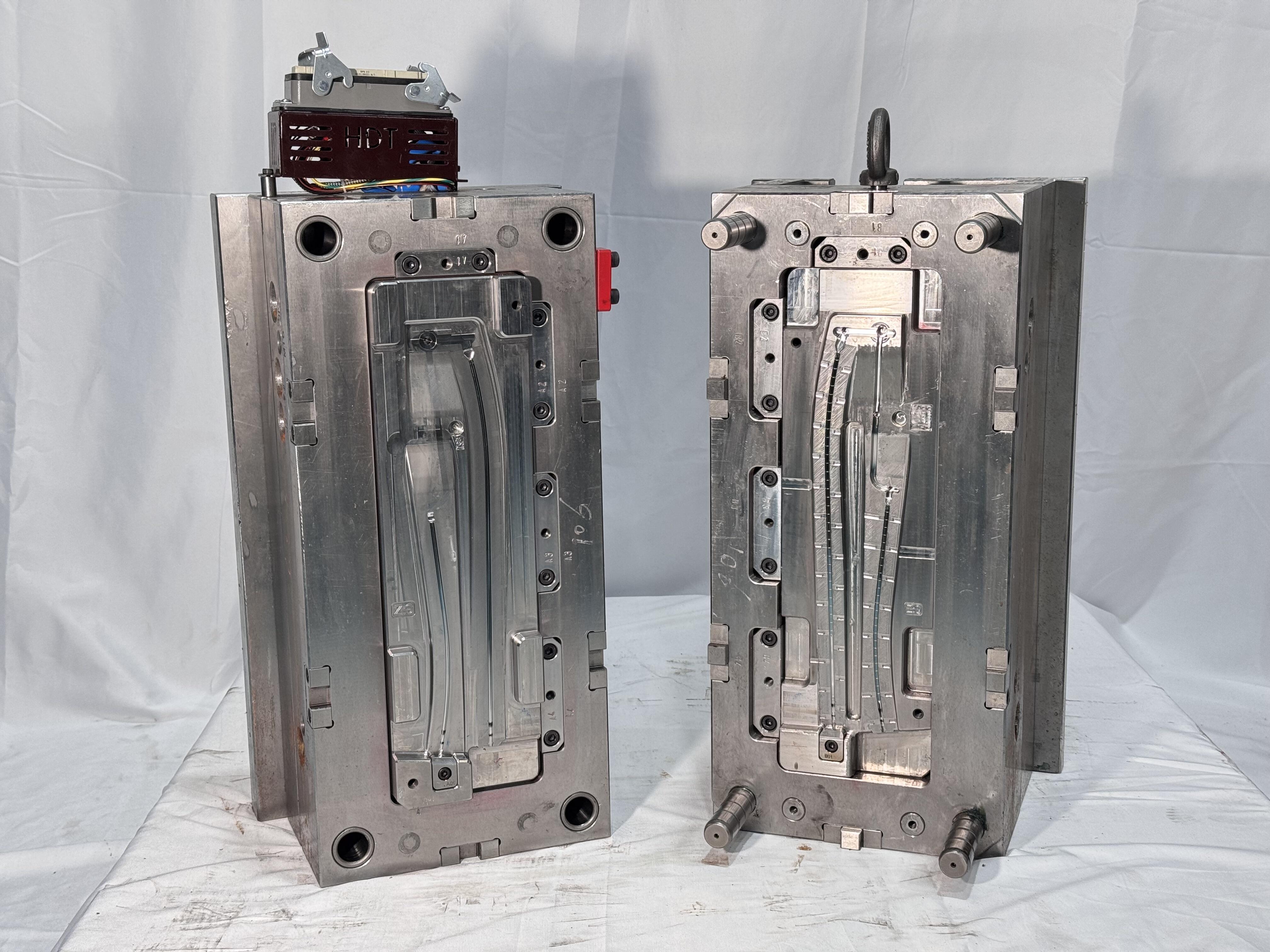
Strategic gate design within injection molding mold design serves as a critical factor determining the quality, appearance, and structural integrity of your manufactured parts. The gate represents the entry point where molten plastic flows from the mold's runner system into the cavity that forms your product, and its design influences material flow patterns, pressure distribution, and potential defect formation. Professional injection molding mold design carefully considers gate type selection, positioning, and sizing to optimize results for your specific application requirements. Designers evaluate multiple gate styles including edge gates, pin gates, submarine gates, hot runner gates, and fan gates, selecting the configuration that best suits your part geometry, material characteristics, and cosmetic requirements. Gate location decisions in injection molding mold design require balancing multiple considerations simultaneously. Designers position gates to promote balanced material flow that fills the entire cavity uniformly, preventing premature solidification in distant sections or uneven packing pressure that causes dimensional variations. They avoid placing gates on cosmetically critical surfaces where the gate vestige would remain visible after part ejection, instead locating them on hidden edges or non-functional areas. The strategic positioning also considers weld line formation, which occurs where separate flow fronts meet after flowing around obstacles or through multiple gates. By controlling gate placement, injection molding mold design minimizes weld lines in structurally critical areas or positions them where they won't compromise part strength or appearance. Gate sizing represents another crucial aspect that designers optimize within injection molding mold design. Gates must be large enough to maintain sufficient pressure for complete cavity filling and adequate packing to compensate for material shrinkage during cooling, yet small enough to minimize cycle time and gate removal effort. Undersized gates restrict flow and cause filling problems or weak parts with voids, while oversized gates extend cooling times and leave large, difficult-to-remove vestiges. The thermal management function of gate design also matters significantly in injection molding mold design. The gate region experiences the highest shear rates and temperatures during injection, potentially degrading temperature-sensitive materials. Designers account for this by selecting gate types and sizes that minimize shear heating for your chosen material. For cosmetically demanding applications, injection molding mold design often incorporates hot runner systems with valve gates that leave minimal or no gate vestiges on finished parts. This technology eliminates secondary trimming operations, reducing labor costs while improving appearance quality. The strategic gate design embedded in professional injection molding mold design ultimately ensures your parts exhibit optimal strength, appearance, and dimensional accuracy while maximizing production efficiency.


 EN
EN