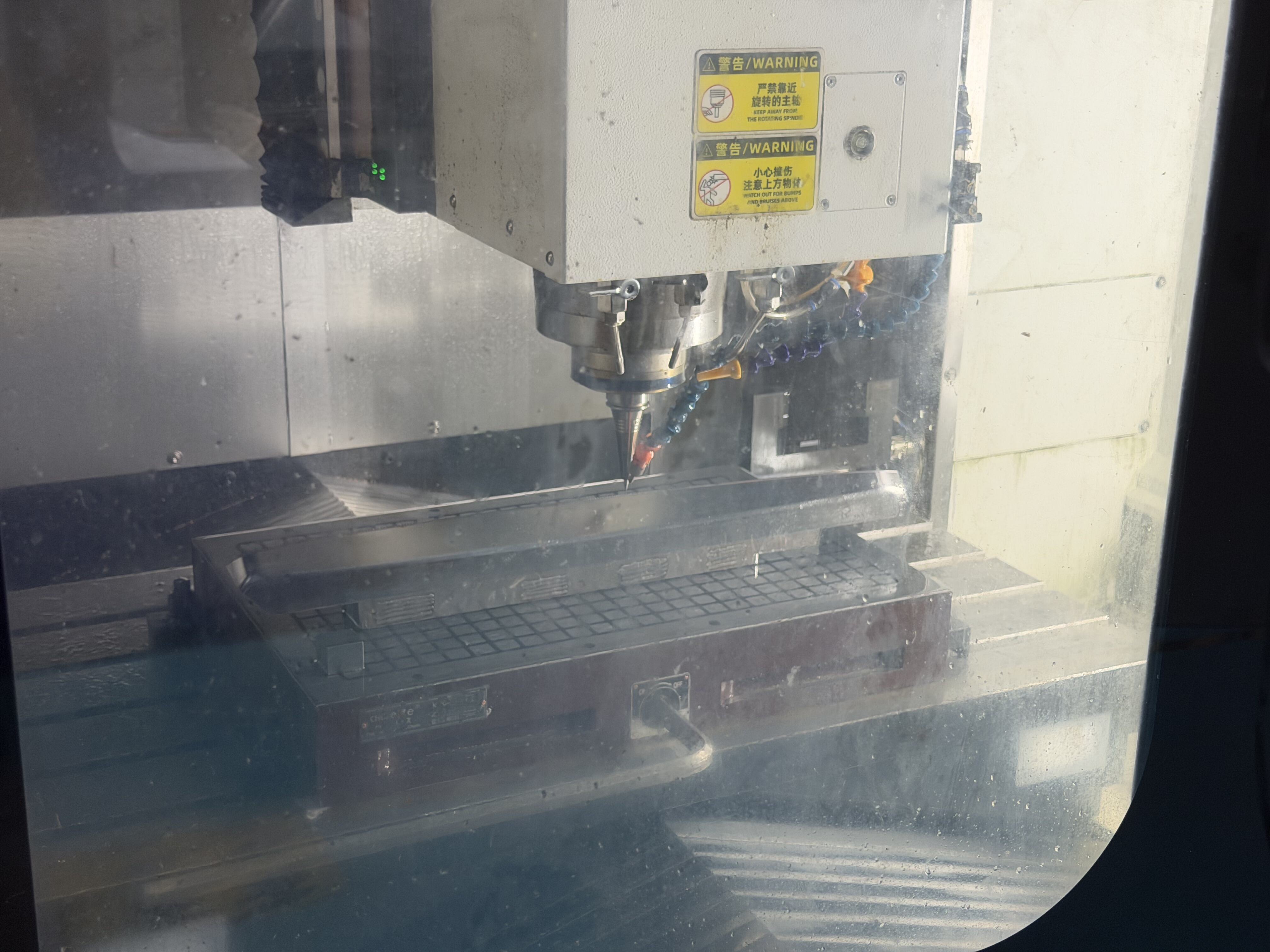
Mould Plastic Injection: Advanced Manufacturing Solutions for Precision Parts Production

application/mould-plastic-injection, application/mould-plastic-injection, 
Get a Quote
Get a Quote

mould plastic injection

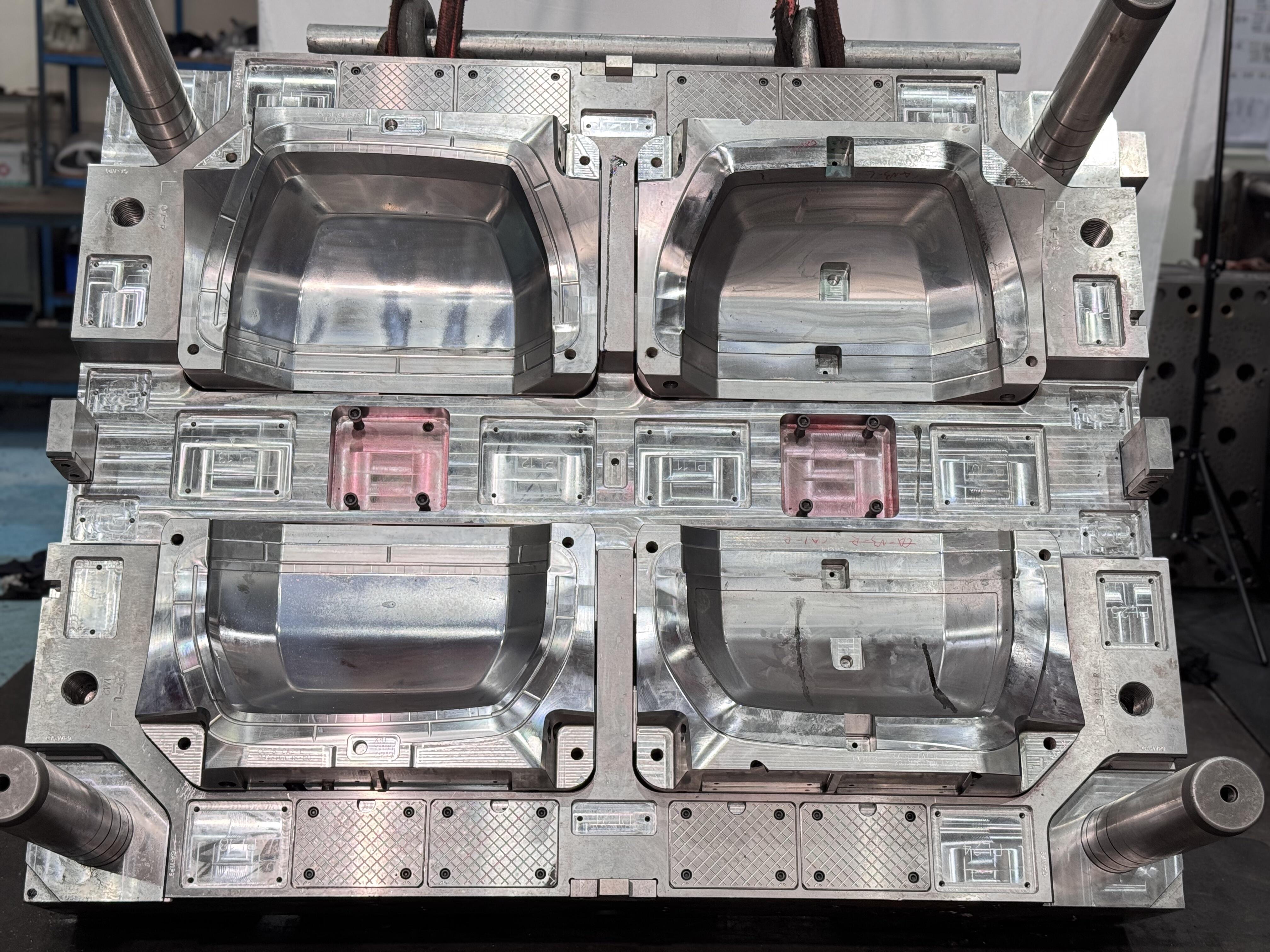
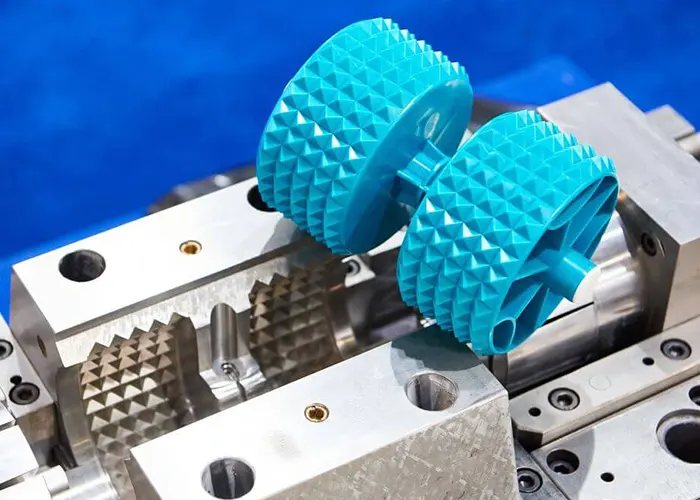
Mould plastic injection represents one of the most versatile and efficient manufacturing processes in modern production environments. This sophisticated technique involves melting plastic materials and forcing them under high pressure into precision-engineered moulds, where they cool and solidify into the desired shape. The process has revolutionized how manufacturers create plastic components, offering unparalleled consistency and repeatability for both simple and complex designs. At its core, mould plastic injection combines precise temperature control, hydraulic or electric pressure systems, and carefully designed tooling to transform raw plastic pellets into finished products. The main functions of this process include mass production of identical parts, creation of intricate geometries that would be impossible with other methods, and integration of multiple features into single components. Technological features that distinguish mould plastic injection include computer-controlled injection parameters, multi-cavity mould capabilities, hot runner systems for reduced waste, and advanced cooling channels for faster cycle times. Modern systems incorporate sensors and monitoring equipment that track pressure, temperature, and fill patterns in real-time, ensuring consistent quality across production runs. The applications for mould plastic injection span virtually every industry imaginable. Automotive manufacturers rely on this process for dashboard components, interior trim, and under-hood parts. Consumer electronics companies use it for housings, buttons, and structural elements. Medical device producers depend on the precision and cleanliness achievable through injection moulding for surgical instruments, diagnostic equipment housings, and disposable medical supplies. Packaging industries utilize this technology for containers, caps, and protective cases. Toy manufacturers create safe, durable products through carefully controlled injection processes. The aerospace sector employs specialized injection moulding for lightweight interior components. Even construction and building industries benefit from injection-moulded fixtures, fittings, and decorative elements. The versatility of mould plastic injection extends to the range of materials it can process, including thermoplastics, elastomers, and specialized engineering resins with enhanced properties like heat resistance, chemical stability, or electrical conductivity.

New Product Recommendations

The advantages of mould plastic injection make it an attractive choice for businesses seeking efficient, cost-effective manufacturing solutions. First and foremost, this process delivers exceptional production speed once the initial setup is complete. A single machine can produce thousands of identical parts per day, dramatically reducing per-unit costs for medium to large production runs. This efficiency translates directly into faster time-to-market for new products and the ability to meet demanding delivery schedules. The precision achievable through mould plastic injection exceeds most alternative manufacturing methods. Tolerances can be held to within thousandths of an inch, ensuring perfect fit and function for assemblies requiring multiple components to work together seamlessly. This accuracy reduces the need for secondary operations like trimming, drilling, or finishing, further lowering production costs and handling time. Material efficiency represents another significant benefit. Modern mould plastic injection systems minimize waste through optimized runner systems and hot runner technology that keeps plastic in a molten state until it enters the mould cavity. Scrap rates typically fall below five percent, and even this small amount of excess material can often be reground and reused in non-critical applications. The process also enables significant design freedom that empowers engineers and product developers. Complex geometries, undercuts, threads, and intricate surface textures can all be incorporated directly into the mould design, eliminating assembly steps and reducing part counts. This consolidation of features not only cuts manufacturing time but also improves product reliability by reducing potential failure points. Consistency stands as perhaps the most valued advantage for quality-conscious manufacturers. Once processing parameters are established and validated, mould plastic injection produces virtually identical parts across millions of cycles. This repeatability ensures that customers receive the same high-quality product whether they purchase the first unit or the millionth. The strength and durability of injection-moulded parts often exceed those created through other plastic fabrication methods. The high pressure used during injection creates dense, void-free parts with excellent mechanical properties. Material selection further enhances performance characteristics, with options ranging from flexible elastomers to rigid engineering plastics that rival metals in strength while weighing significantly less. Automation capabilities reduce labor costs and human error. Modern injection moulding operations can run with minimal supervision, using robotic part removal, automated quality inspection, and integrated packaging systems. This level of automation not only improves efficiency but also enhances workplace safety by removing operators from potentially hazardous environments. Finally, mould plastic injection offers excellent scalability. Manufacturers can start with single-cavity moulds for initial production, then transition to multi-cavity tooling as demand increases, all while using the same basic processing equipment and techniques.

Practical Tips

What makes custom injection molding a cost-effective production solution?

29

Apr

What makes custom injection molding a cost-effective production solution?

Manufacturing decision-makers constantly seek production methods that balance quality, speed, and economic efficiency. Custom injection molding has emerged as a dominant solution across industries ranging from automotive and medical devices to consum...
View More
Why is custom injection molding preferred for complex product designs?

29

Apr

Why is custom injection molding preferred for complex product designs?

Complex product designs present unique challenges that demand manufacturing solutions capable of delivering precision, consistency, and scalability. Engineers and product developers consistently turn to custom injection molding when facing intricate ...
View More
What Are the Key Steps Involved in Professional Mold Making?

27

May

What Are the Key Steps Involved in Professional Mold Making?

Professional mold making is one of the most technically demanding disciplines in modern manufacturing. Whether you are producing plastic components, rubber parts, or composite structures, the quality of the mold directly determines the quality, consi...
View More
How does plastic injection molding service optimize production timelines?

27

May

How does plastic injection molding service optimize production timelines?

In today's competitive manufacturing landscape, speed and precision are not optional — they are baseline expectations. A well-structured plastic injection molding service plays a central role in helping manufacturers, product developers, and OE...
View More

Get a Free Quote

Our representative will contact you soon.
0/1000
Unmatched Production Efficiency and Speed

Unmatched Production Efficiency and Speed

The production efficiency achieved through mould plastic injection stands as a cornerstone benefit that transforms manufacturing economics for businesses of all sizes. When you choose this manufacturing method, you gain access to cycle times measured in seconds rather than minutes or hours. A typical injection moulding machine can complete the entire process from material injection to part ejection in as little as ten to thirty seconds for small to medium-sized components. This rapid cycling capability means a single machine operating on a standard shift can produce several thousand parts daily, creating economies of scale that dramatically reduce per-unit manufacturing costs. The speed advantage becomes even more pronounced when using multi-cavity moulds, where each cycle produces multiple identical parts simultaneously. A sixteen-cavity mould producing parts with a twenty-second cycle time generates nearly three thousand parts per hour, showcasing the remarkable throughput potential of mould plastic injection technology. This efficiency extends beyond raw production numbers to encompass the entire manufacturing workflow. Automated systems handle material feeding, ensuring continuous operation without manual intervention. Robotic arms remove finished parts immediately upon mould opening, placing them onto conveyor systems or directly into packaging. Quality inspection systems using vision technology can examine every part at production speed, identifying defects without slowing the process. The consistency of the injection process itself contributes to efficiency by minimizing rejects and reducing the need for rework. Once optimal processing parameters are established during initial setup, modern computer-controlled machines maintain these settings with remarkable precision across entire production runs. Temperature control systems keep material within narrow specifications, pressure sensors ensure complete cavity filling, and timing circuits coordinate every aspect of the injection cycle. This automation and control translate into predictable production schedules that help manufacturers meet delivery commitments reliably. The quick changeover capabilities of modern injection moulding equipment further enhance operational efficiency. While traditional manufacturing methods might require extensive retooling and setup time when switching between products, mould plastic injection systems can exchange moulds and adjust processing parameters in hours rather than days. This flexibility allows manufacturers to respond quickly to changing market demands and customer requirements without sacrificing productivity.
Superior Design Flexibility and Part Complexity

Superior Design Flexibility and Part Complexity

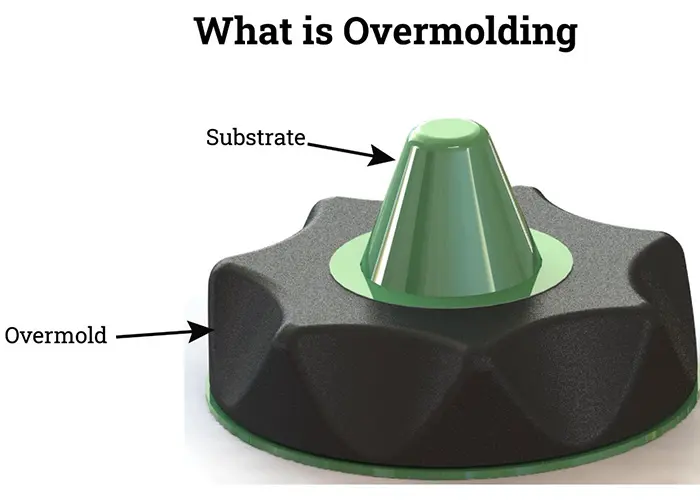
Mould plastic injection offers design capabilities that push the boundaries of what manufacturers can achieve in plastic component creation. This flexibility empowers product designers and engineers to realize their visions without the constraints imposed by many alternative manufacturing processes. The ability to create complex three-dimensional geometries in a single manufacturing step eliminates the need for assembly operations that add cost, time, and potential quality issues. Designers can incorporate features like living hinges, snap-fit connections, and integrated fastening points directly into the mould design, creating parts that emerge from the machine ready for immediate use or requiring only minimal post-processing. The process accommodates wall thickness variations, allowing engineers to add reinforcement ribs where structural strength is needed while keeping other areas thin and lightweight to minimize material usage and part weight. Undercuts and internal features that would be impossible with simpler moulding methods become achievable through the use of side-action cores and collapsible mechanisms built into the mould tooling. This capability proves especially valuable in consumer electronics housings, automotive interior components, and medical device enclosures where internal clips, bosses, and alignment features are essential. Surface finish options range from high-gloss polished appearances to heavily textured patterns that hide fingerprints, provide grip, or create decorative effects. These finishes are incorporated directly into the mould cavity surfaces and transfer to every part produced, ensuring consistency without secondary finishing operations. Texture depth and complexity can vary across different areas of the same part, enabling designers to create visual interest and functional differentiation. Color integration represents another aspect of design flexibility, with mould plastic injection accommodating everything from natural material tones to vibrant custom colors matched to specific brand standards. Multi-shot or overmoulding techniques enable the combination of different materials or colors in a single part, creating soft-touch grips on rigid handles or transparent windows in opaque housings. The precision achievable through mould plastic injection ensures that complex assemblies fit together perfectly. Tolerances typically held to plus or minus a few thousandths of an inch mean that mating parts align precisely, snap-fit connections engage reliably, and moving components operate smoothly. This accuracy reduces assembly time and improves product reliability by ensuring consistent fit and function across every unit produced.
Cost-Effectiveness Across the Product Lifecycle

Cost-Effectiveness Across the Product Lifecycle

The economic advantages of mould plastic injection extend far beyond simple per-unit production costs to encompass the entire product lifecycle from development through end-of-life considerations. While initial tooling investment for mould plastic injection can be substantial, this upfront cost amortizes rapidly across production volumes, making the process extremely cost-effective for medium to high-volume manufacturing. A mould that costs fifty thousand dollars might seem expensive until you consider it will produce hundreds of thousands or even millions of parts over its operational lifetime, reducing the tooling cost per unit to pennies or less. The durability of properly maintained injection moulds ensures they can sustain years of production without significant degradation, providing long-term value that alternative manufacturing methods struggle to match. Material costs remain competitive because mould plastic injection uses thermoplastic resins efficiently, with minimal waste and the ability to recycle scrap material in many applications. The wide variety of available plastic materials means manufacturers can select options that balance performance requirements with budget constraints, choosing commodity resins for non-critical applications and reserving expensive engineering plastics for components demanding superior properties. Labor costs decrease dramatically compared to manual fabrication methods because mould plastic injection requires minimal human intervention once production begins. A single operator can often supervise multiple machines simultaneously, with automated systems handling material loading, part removal, and basic quality inspection. This labor efficiency becomes particularly valuable in regions with high wage rates, where automation provides competitive advantages. The elimination of secondary operations contributes substantially to cost savings. Parts emerge from the injection mould with final dimensions, surface finishes, and integrated features already in place, avoiding the expenses associated with machining, painting, printing, or assembly work. When designers fully leverage the capabilities of mould plastic injection, they create components that require no additional processing before installation or packaging. Quality costs diminish through the consistency inherent in the injection process. The low defect rates typical of well-controlled mould plastic injection operations reduce scrap, rework, and warranty claims. Customers receive reliable products that perform as expected, building brand reputation and reducing support costs. Transportation and logistics expenses benefit from the light weight of plastic components compared to metal alternatives. Lower shipping weights translate directly into reduced freight costs, and the durability of injection-moulded parts means less damage during handling and transit. Even end-of-life considerations favor mould plastic injection, as many thermoplastic materials can be recycled or processed for energy recovery, potentially creating revenue streams or reducing disposal costs while supporting corporate sustainability initiatives.