Superior Design Flexibility and Feature Integration
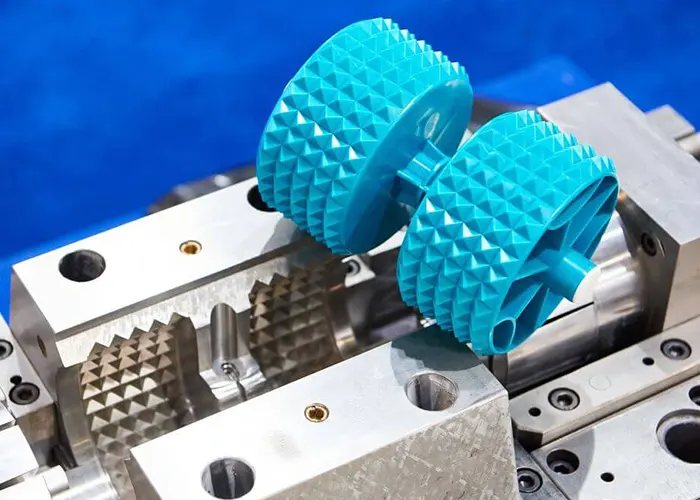
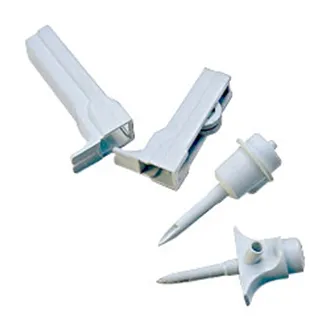
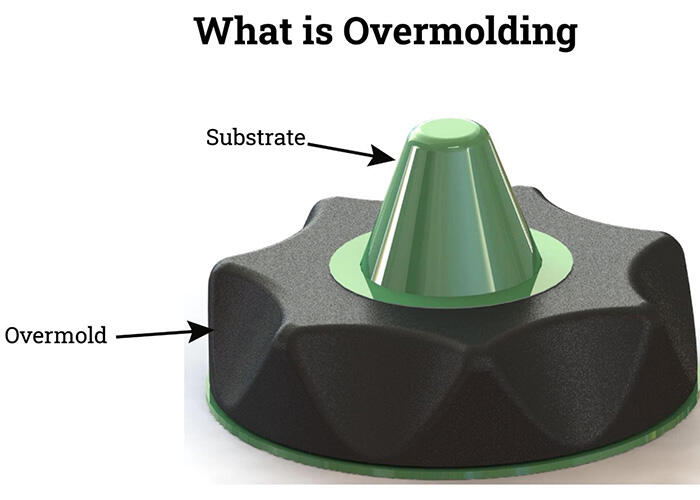
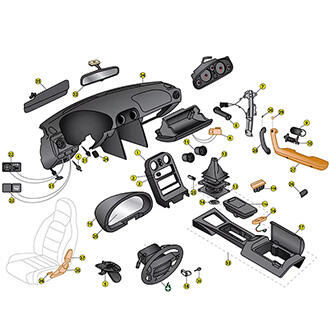
Design flexibility represents a transformative advantage of plastic injection molding mold technology, empowering engineers and product developers to create components with complexity and feature integration impossible through other manufacturing processes. The plastic injection molding mold accommodates intricate three-dimensional geometries including compound curves, varying wall thicknesses, and organic shapes that would require multiple operations or prove entirely unfeasible with machining or fabrication techniques. This geometric freedom allows designers to optimize parts for functionality rather than manufacturing limitations, incorporating features that enhance performance, reduce weight, or improve aesthetics. Undercuts and internal cavities become achievable through side actions, collapsing cores, and lifter mechanisms built into the plastic injection molding mold structure, enabling hollow sections that reduce material usage while maintaining structural integrity. Threaded features can be molded directly into parts using unscrewing mechanisms or collapsible cores, eliminating secondary tapping operations that add cost and production time. Surface texturing applied to the plastic injection molding mold cavity transfers onto molded parts, creating decorative patterns, grip-enhancing surfaces, or anti-glare finishes without additional processing steps. Logos, part numbers, and branding elements become permanent part features when engraved into mold surfaces, ensuring identification marks that cannot wear off or separate from the component. The ability to mold multiple materials simultaneously through overmolding or insert molding techniques expands design possibilities dramatically, allowing rigid structural sections combined with soft-touch grips or sealing surfaces in single production cycles. A plastic injection molding mold configured for insert molding can encapsulate metal components, electronic elements, or pre-formed plastic parts, creating assemblies that would otherwise require separate fastening operations. Color integration happens during molding by selecting appropriate plastic resins, eliminating painting requirements and ensuring consistent coloration throughout part cross-sections. Varying wall thicknesses within parts allow designers to place material precisely where strength is needed while minimizing weight and material cost in less critical areas, though the plastic injection molding mold must incorporate appropriate cooling strategies to prevent sink marks or warpage. Living hinges, snap fits, and integral fastening features can be incorporated directly into molded parts, reducing assembly component counts and simplifying product construction. The plastic injection molding mold enables consolidation of multiple components into single molded parts, reducing inventory complexity, assembly labor, and potential failure points where separate pieces might disconnect.


 EN
EN