Comprehensive Material Expertise and Selection Guidance
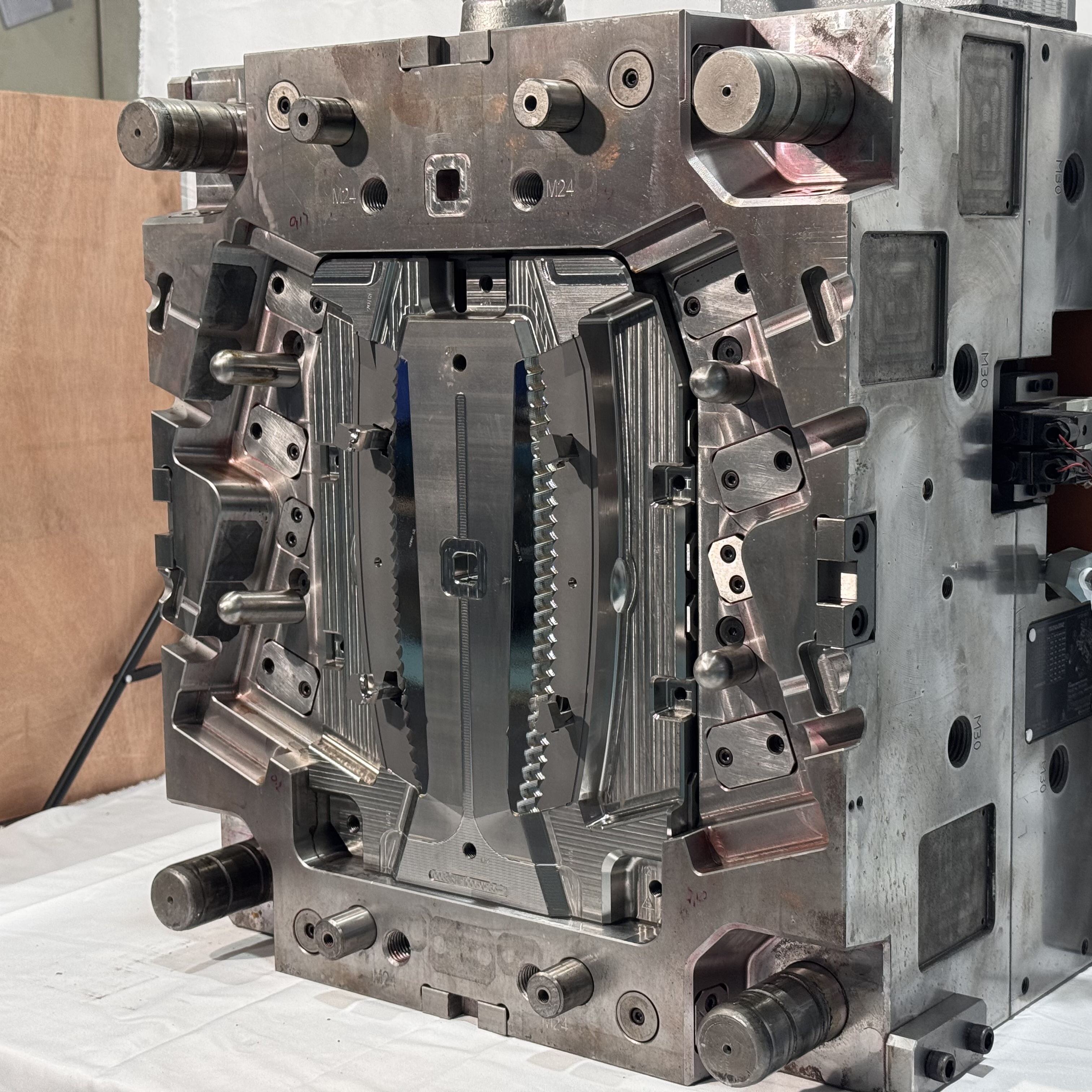
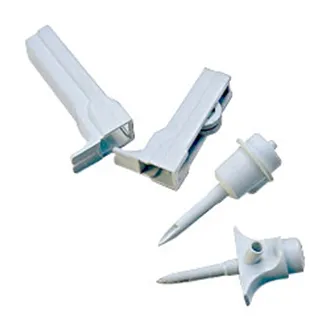
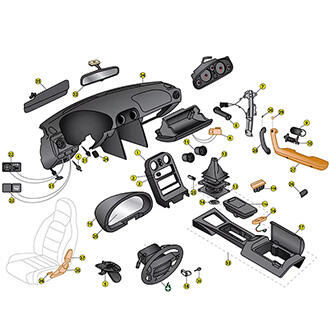
The comprehensive material expertise offered through professional moulding services represents an invaluable resource that significantly influences product success and manufacturing efficiency. Moulding services specialists possess deep knowledge spanning hundreds of material formulations, understanding how each performs under specific processing conditions and application environments. This expertise proves critical because material selection fundamentally affects component performance, durability, cost, and manufacturability. Professional providers guide customers through complex decisions involving thermoplastic resins, engineering polymers, elastomeric compounds, and specialized formulations designed for particular requirements such as flame resistance, chemical compatibility, UV stability, or biocompatibility. Their hands-on experience with diverse materials enables them to recommend optimal choices that balance performance requirements against budget constraints, often identifying cost-effective alternatives that meet specifications while reducing material expenses. The material expertise within moulding services extends to understanding how different polymers behave during processing, including flow characteristics, shrinkage rates, cooling requirements, and potential processing challenges. This knowledge informs mould design decisions and processing parameter selection, preventing common issues like warpage, sink marks, or incomplete filling that compromise component quality. Specialists stay current with emerging materials and additive technologies, including fiber-reinforced composites, bio-based polymers, and recycled content formulations that address sustainability objectives without sacrificing performance. They maintain relationships with material suppliers, accessing technical support, material testing data, and sometimes preferential pricing that benefits customers. The selection guidance provided by moulding services includes practical considerations often overlooked during initial design phases, such as long-term aging characteristics, compatibility with assembly methods, regulatory compliance requirements, and end-of-life recyclability. For medical applications, they navigate complex biocompatibility standards and sterilization compatibility. For automotive uses, they address temperature extremes, chemical exposure, and mechanical stress requirements. For consumer products, they consider aesthetic factors, tactile properties, and cost sensitivities. This comprehensive material expertise helps customers avoid expensive mistakes, reduces development time by selecting appropriate materials initially, and ensures final products perform reliably throughout their intended service life, delivering superior value and minimizing the risk of field failures or product recalls.



 EN
EN