Design Flexibility Enabling Complex Optical Geometries and Innovation
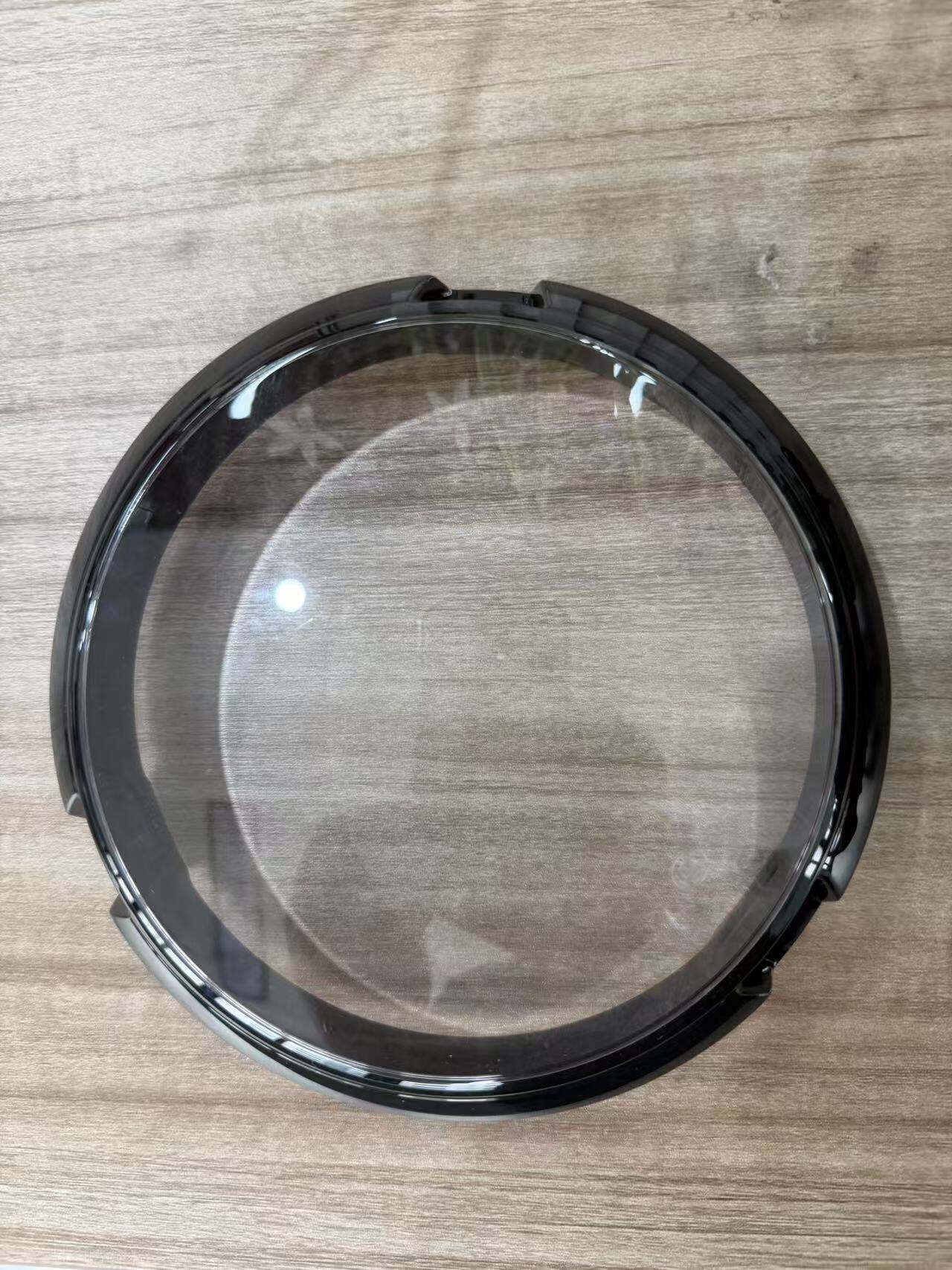
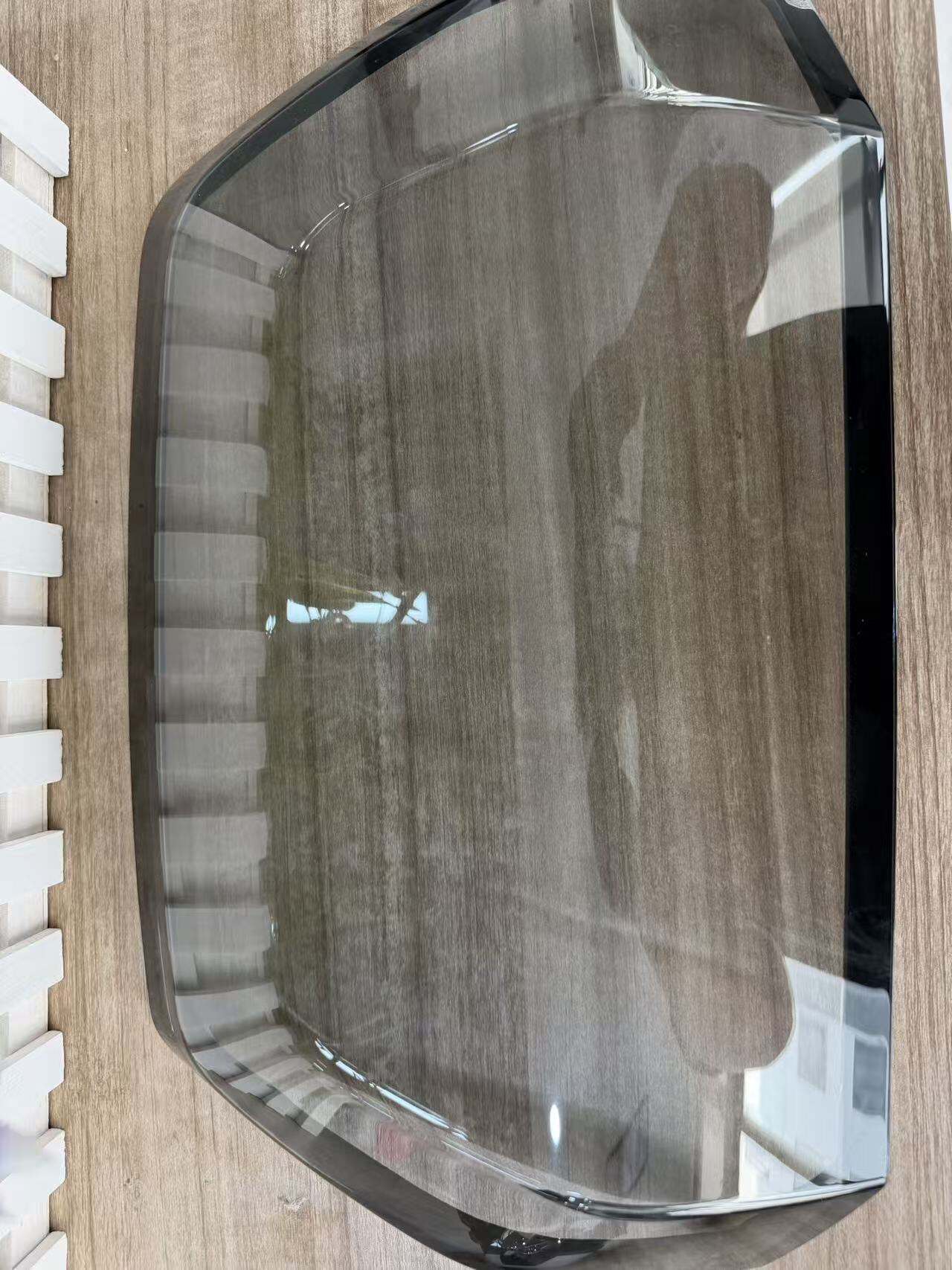
The design flexibility inherent in optical lens mold making empowers engineers and product developers to create innovative optical solutions featuring complex geometries that would be prohibitively expensive or technically impossible to manufacture through conventional lens fabrication methods. Traditional spherical lens grinding processes limit designers to relatively simple curved surfaces, requiring multiple lens elements stacked together to correct optical aberrations and achieve desired performance characteristics. Professional mold making breaks these constraints by enabling the economical production of aspherical lenses with mathematically defined surface profiles that correct multiple aberrations simultaneously, reducing system complexity while improving optical performance. These aspherical designs can incorporate continuously varying curvatures that bend light rays more efficiently than spherical surfaces, enabling lens systems with fewer elements, lighter weight, and more compact dimensions critical for mobile devices, wearable technology, and miniaturized medical instruments. Beyond aspherical surfaces, mold making facilitates the integration of additional functional features directly into lens structures, including mounting flanges, alignment features, light baffles, and mechanical attachment points that simplify assembly processes and reduce component counts. Designers can specify complex edge profiles, varying center thicknesses, and intricate surface textures that control light scattering or cosmetic appearance. Freeform optical surfaces representing the cutting edge of lens design become manufacturable through advanced mold making techniques, with each point on the lens surface potentially having unique curvature values optimized for specific ray paths. This design freedom extends to material selection, as molds can be engineered to process various optical polymers, each offering distinct advantages in terms of refractive index, dispersion characteristics, temperature resistance, or impact strength. The ability to rapidly prototype molds using advanced manufacturing techniques allows iterative design refinement, where engineers can test physical samples, gather performance data, and implement improvements without committing to expensive production tooling. This iterative capability accelerates innovation cycles and reduces development risks for new optical products. Customization possibilities extend to producing small batches of specialized lenses for niche applications, medical devices, or scientific instruments where performance requirements justify unique optical designs. The flexibility of modern optical lens mold making thus serves as an enabler of optical innovation, allowing designers to push performance boundaries, solve previously intractable optical challenges, and differentiate products through superior imaging quality, compact form factors, or novel functionality that creates competitive advantages in crowded markets while meeting increasingly sophisticated consumer expectations for visual experiences across digital imaging, display, and augmented reality applications.



 EN
EN