Biocompatibility and Material Science Expertise
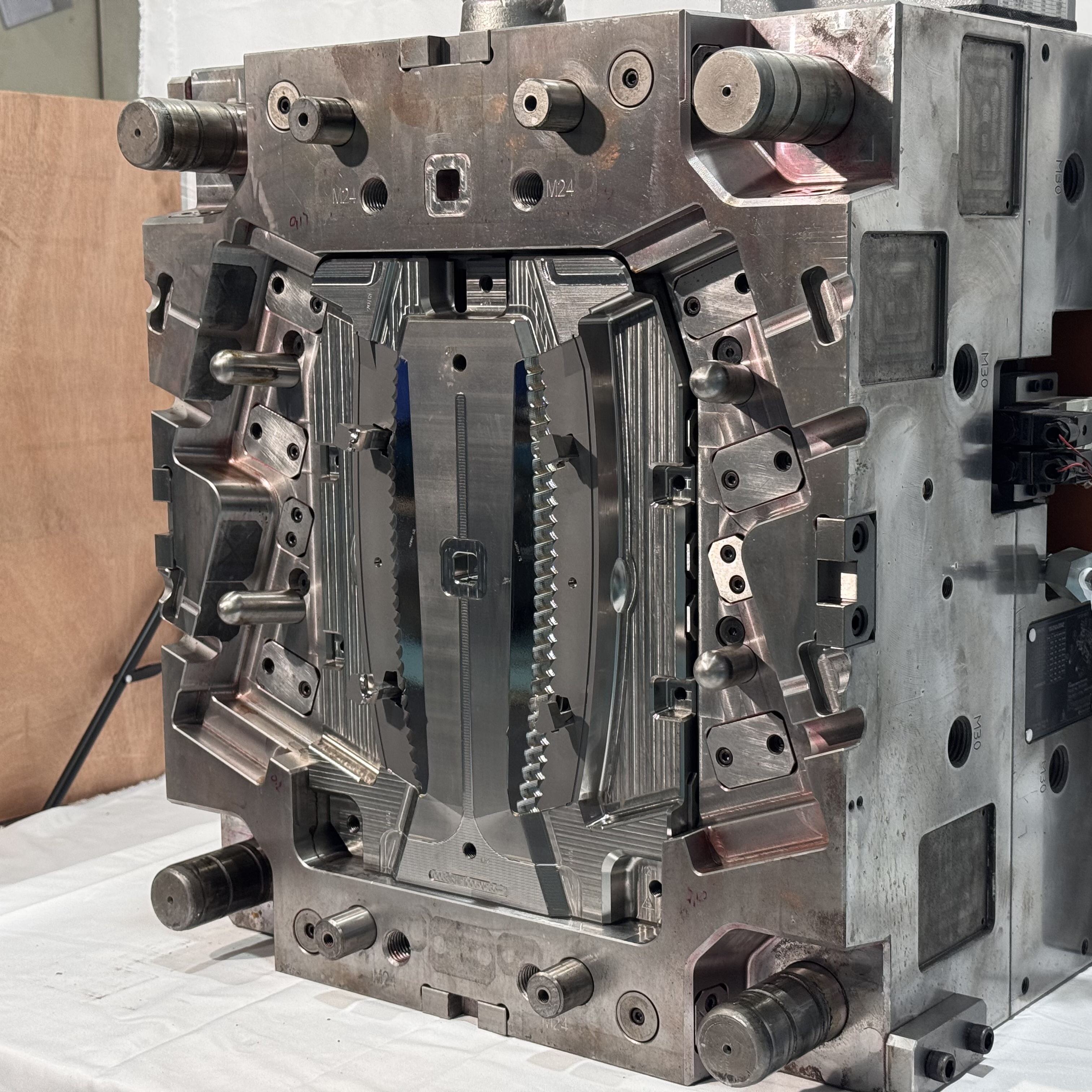
Medical mold making distinguishes itself through specialized expertise in biocompatible materials and the unique processing requirements that ensure medical products remain safe for patient contact throughout their intended lifespan. This expertise begins with comprehensive knowledge of medical-grade polymers, elastomers, and composite materials that have been specifically formulated and tested for use in healthcare applications. Material selection for medical mold making considers multiple factors including biocompatibility classifications according to ISO 10993 standards, which evaluate how materials interact with human tissue through cytotoxicity testing, sensitization studies, and implantation trials. Engineers specializing in medical mold making understand the processing windows for materials like medical-grade polyethylene, polypropylene, polycarbonate, and silicone, knowing precisely which temperatures, pressures, and cycle times will produce parts with optimal mechanical properties and chemical purity. The mold making process itself must avoid contamination, requiring manufacturing in controlled environments where air filtration removes particulates, temperature and humidity are regulated, and personnel follow strict protocols for cleanliness. Mold surfaces that contact medical materials receive special treatments and coatings that prevent chemical interactions, resist degradation from repeated sterilization cycles, and ensure easy release of molded parts without residues. Material science expertise extends to understanding how different polymers respond to sterilization methods such as gamma radiation, ethylene oxide gas, or autoclave steam, ensuring that molds produce parts capable of withstanding these processes without degradation. Medical mold making professionals also navigate the complex landscape of regulatory requirements, selecting materials that comply with FDA regulations, European Medical Device Regulations, and international standards for specific applications. This compliance extends to documentation, with material certificates, processing records, and validation reports that trace every batch of material used in production. The expertise in biocompatibility enables medical mold making to support diverse applications from short-term skin contact devices like bandages and electrode pads to long-term implantable devices such as pacemaker housings and joint replacement components. Advanced material formulations incorporate additives that provide antimicrobial properties, radiopacity for x-ray visibility, or drug-elution capabilities for therapeutic devices. Testing protocols verify that materials maintain their properties throughout the product lifecycle, including accelerated aging studies that simulate years of use in compressed timeframes. This material science foundation ensures that devices manufactured using medical mold making techniques perform reliably, resist degradation in biological environments, and pose no risk of adverse reactions in patients.



 EN
EN