Professional Plastic Mold Making Services - Precision Tooling for High-Volume Manufacturing

application/plastic-mold-making, application/plastic-mold-making, 
Get a Quote
Get a Quote

plastic mold making

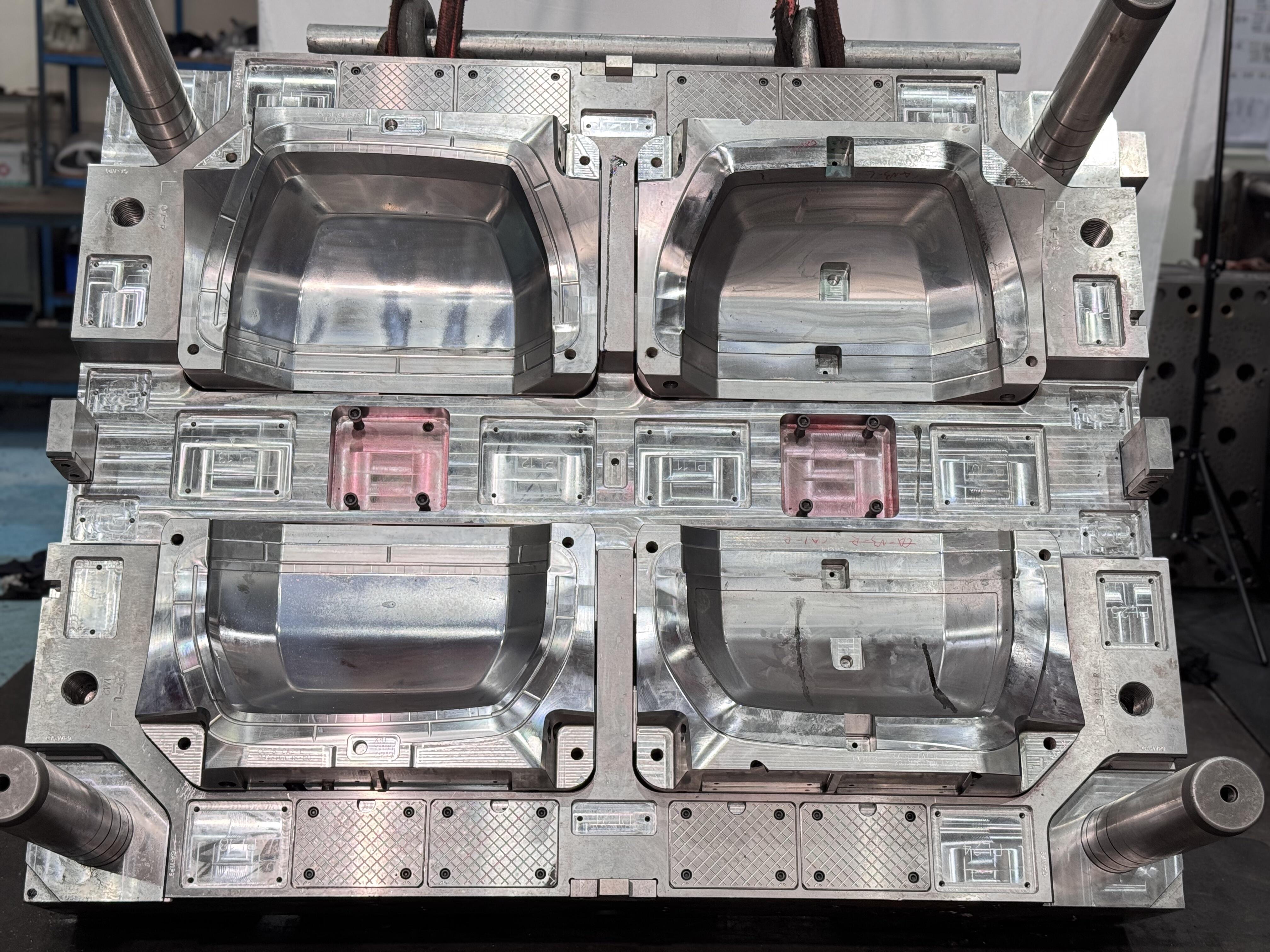
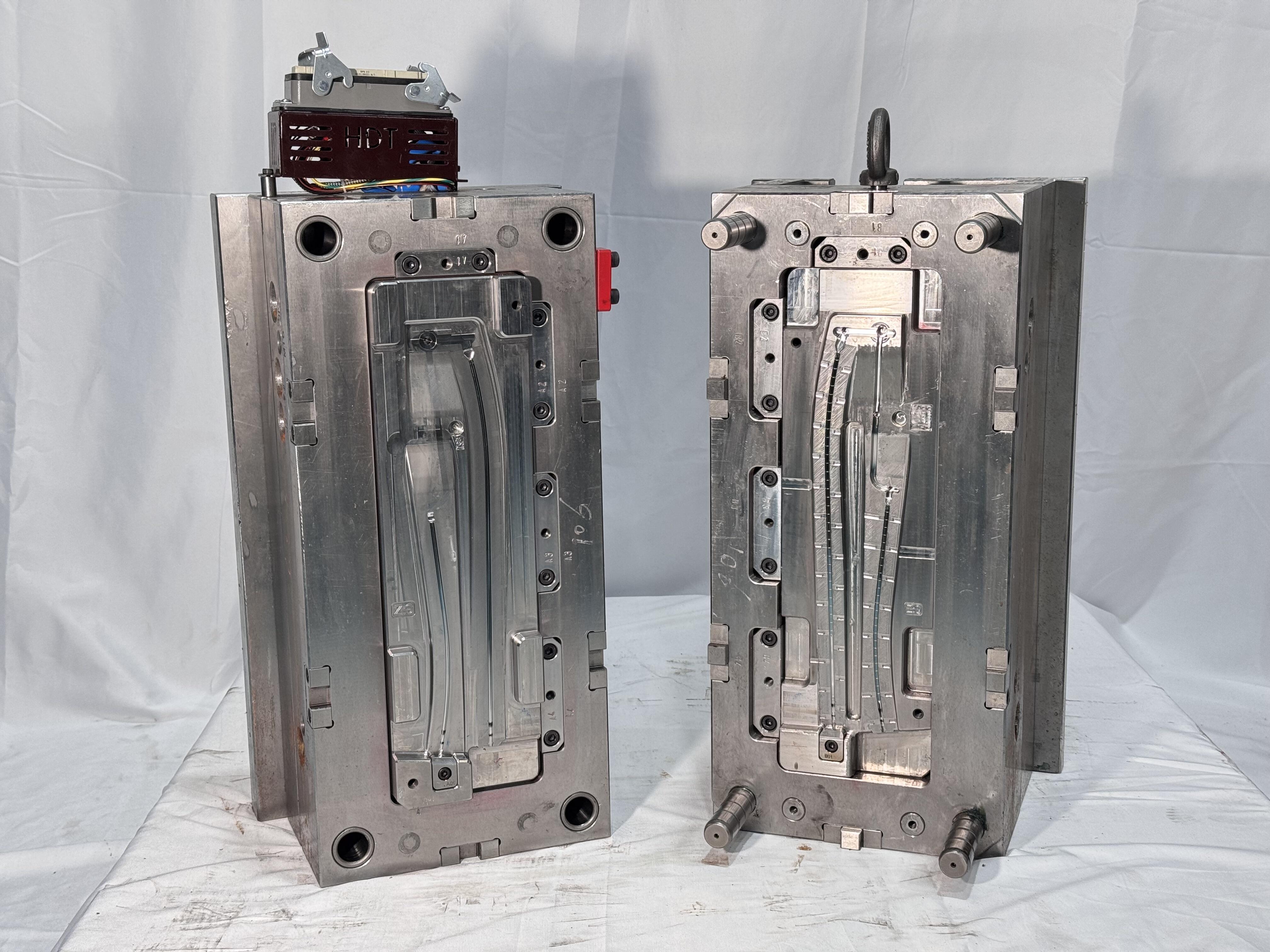
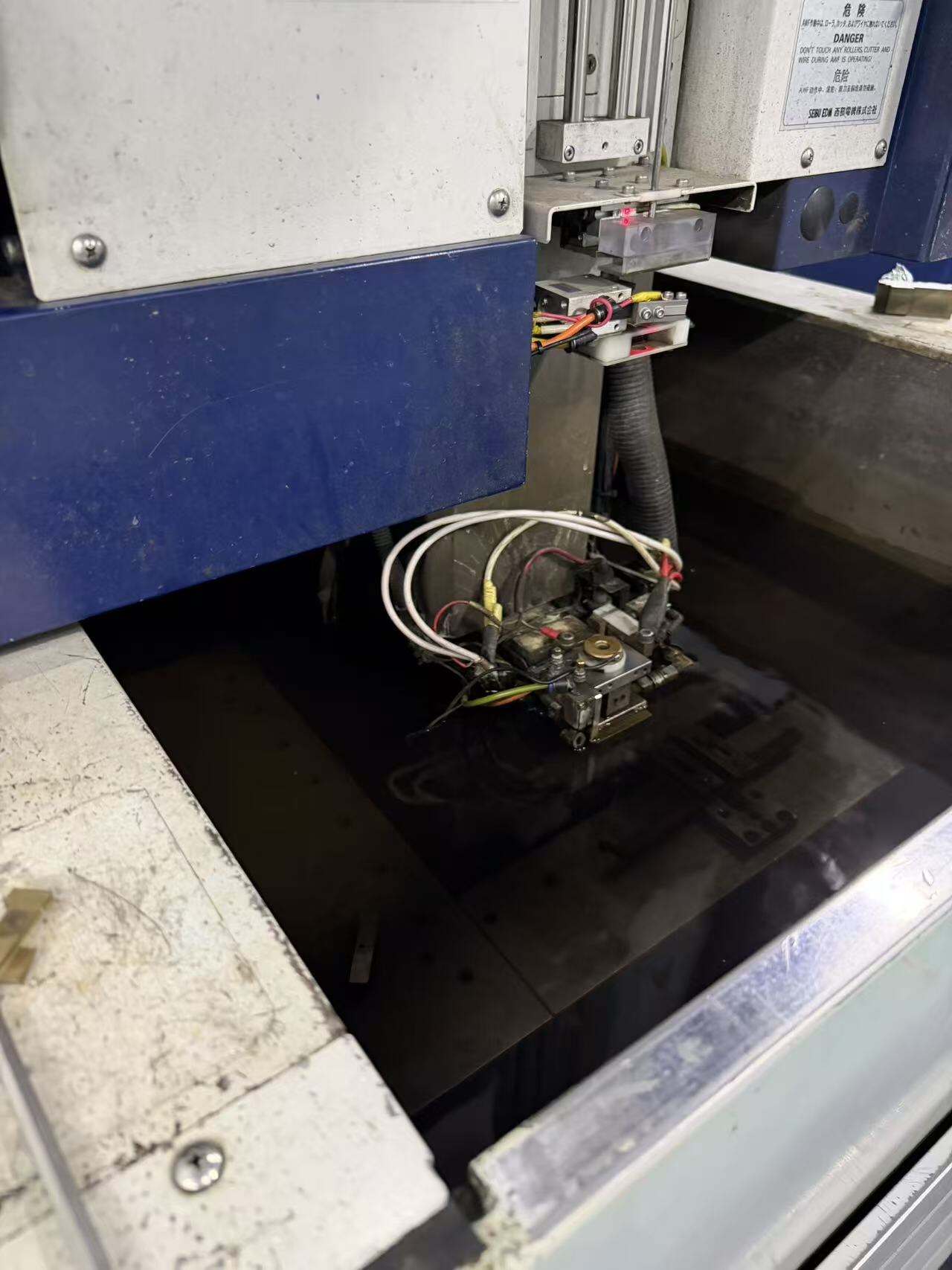
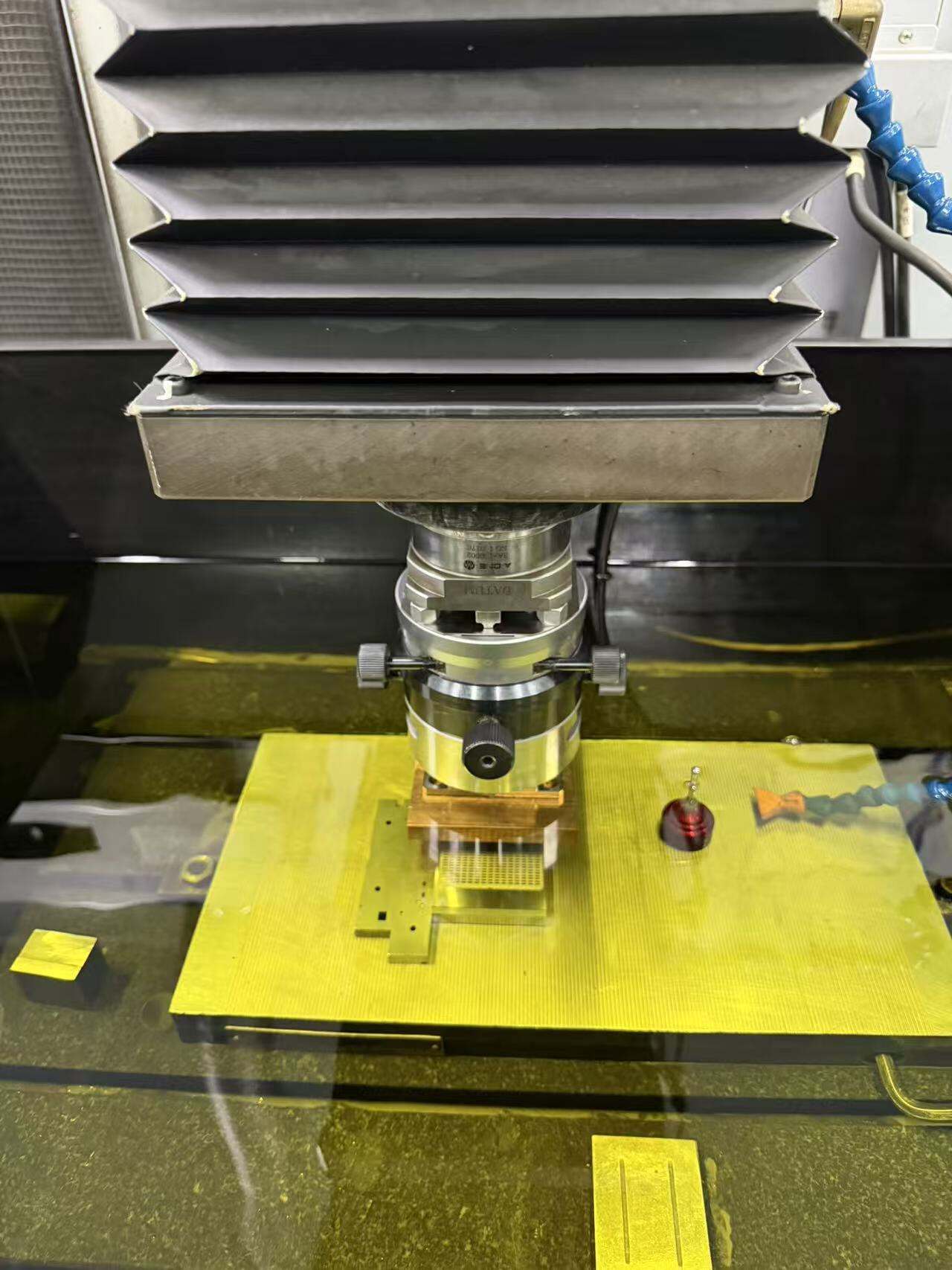
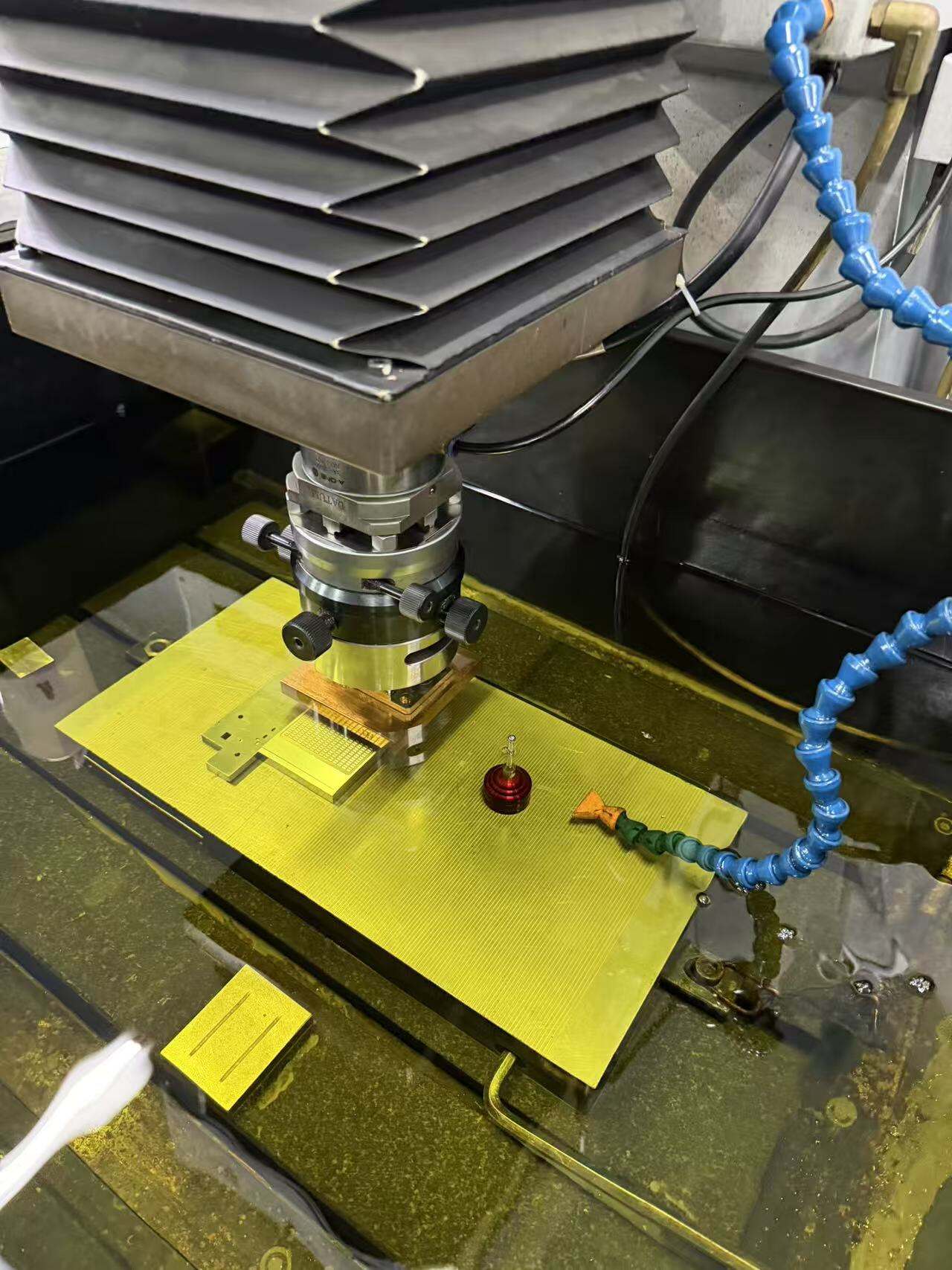
Plastic mold making represents a sophisticated manufacturing process that serves as the foundation for producing countless plastic products used across virtually every industry worldwide. This precision engineering discipline involves designing and fabricating specialized tools, known as molds or dies, which shape molten plastic materials into specific forms through injection molding, blow molding, compression molding, and other techniques. The plastic mold making process combines advanced computer-aided design software, precision machining equipment, and expert craftsmanship to create durable, high-tolerance molds capable of producing thousands or even millions of identical parts. The main functions of plastic mold making include enabling mass production of complex plastic components, ensuring dimensional accuracy and consistency across production runs, reducing per-unit manufacturing costs, and facilitating rapid product development cycles. Technological features that define modern plastic mold making include multi-axis CNC machining centers, electrical discharge machining (EDM) capabilities, wire cutting technology, advanced cooling channel designs, hot runner systems, and computer simulation software that predicts material flow and identifies potential defects before physical production begins. Applications for plastic mold making span numerous sectors including automotive manufacturing for interior panels and exterior components, medical device production for surgical instruments and diagnostic equipment housings, consumer electronics for smartphone cases and computer peripherals, packaging industries for containers and bottles, household goods manufacturing, aerospace components, and construction materials. The versatility of plastic mold making allows manufacturers to produce parts ranging from microscopic precision components weighing mere grams to large automotive body panels and industrial containers. This manufacturing approach supports both thermoplastic and thermoset materials, accommodating various performance requirements such as heat resistance, chemical durability, transparency, flexibility, and structural strength, making plastic mold making an indispensable technology in contemporary manufacturing environments.

New Products

The advantages of plastic mold making deliver substantial practical benefits that directly impact your bottom line and operational efficiency. First and foremost, this manufacturing method dramatically reduces your production costs once the initial mold investment is made. While the upfront tooling expense requires consideration, the per-piece cost decreases significantly as production volume increases, making it extremely economical for medium to large production runs. You will find that complex parts that would require multiple assembly steps using other manufacturing methods can be produced as single integrated components, eliminating assembly time and reducing labor costs substantially. The repeatability and consistency that plastic mold making provides ensures every product meets your exact specifications, minimizing waste and reducing quality control expenses. Your production timeline benefits enormously because modern molds can cycle rapidly, producing finished parts in seconds rather than minutes or hours required by alternative methods. This speed translates directly into faster time-to-market for your products and the ability to respond quickly to customer demands or market opportunities. The design flexibility inherent in plastic mold making allows you to incorporate intricate details, textures, logos, and functional features directly into the part during molding, eliminating secondary operations such as painting, printing, or assembly. Material efficiency represents another significant advantage, as the process generates minimal waste compared to subtractive manufacturing methods, and any scrap material can typically be reground and reused, reducing material costs and supporting sustainability goals. Your product quality improves because molds produce parts with excellent surface finishes straight from the tool, often eliminating the need for post-production finishing operations. The structural integrity of molded parts often exceeds that of assembled alternatives because there are no weak points from joints or fasteners. Plastic mold making accommodates an enormous range of materials, allowing you to select the optimal resin for your specific application requirements, whether you need chemical resistance, high strength, transparency, food-grade certification, or specialized properties. The process supports various colors and additives mixed directly into the base material, eliminating painting requirements and ensuring color consistency throughout the product lifecycle. Your inventory management becomes more efficient because the rapid production capabilities allow for just-in-time manufacturing, reducing warehousing needs and associated carrying costs while maintaining the flexibility to adjust production volumes based on real-time demand.

Tips And Tricks

Why is custom injection molding preferred for complex product designs?

29

Apr

Why is custom injection molding preferred for complex product designs?

Complex product designs present unique challenges that demand manufacturing solutions capable of delivering precision, consistency, and scalability. Engineers and product developers consistently turn to custom injection molding when facing intricate ...
View More
What are the key advantages of custom plastic injection molding services?

29

Apr

What are the key advantages of custom plastic injection molding services?

Custom plastic injection molding has become the cornerstone of modern manufacturing across diverse industries, from automotive and medical devices to consumer electronics and industrial equipment. Understanding the key advantages of this versatile ma...
View More
Can injection molding companies handle complex multi-industry demands?

27

May

Can injection molding companies handle complex multi-industry demands?

Modern manufacturing landscapes present unique challenges that test the operational boundaries of production facilities across sectors. As businesses expand into diverse markets—from medical devices to automotive components, consumer electronic...
View More
How does plastic injection molding service optimize production timelines?

27

May

How does plastic injection molding service optimize production timelines?

In today's competitive manufacturing landscape, speed and precision are not optional — they are baseline expectations. A well-structured plastic injection molding service plays a central role in helping manufacturers, product developers, and OE...
View More

Get a Free Quote

Our representative will contact you soon.
0/1000
Precision Engineering and Dimensional Accuracy for Superior Product Quality

Precision Engineering and Dimensional Accuracy for Superior Product Quality

Plastic mold making delivers exceptional precision engineering that ensures your products maintain exact dimensional specifications across entire production runs, providing consistency that manual manufacturing methods simply cannot match. Modern mold making employs sophisticated computer-aided design and manufacturing systems that control tolerances to incredibly tight specifications, often within thousandths of an inch or hundredths of millimeters. This precision begins in the design phase, where specialized software allows engineers to model every aspect of the mold, simulating material flow, cooling rates, and potential stress points before cutting any metal. Advanced machining centers then translate these digital designs into physical reality using multi-axis CNC equipment that removes material with microscopic precision, creating cavity surfaces that perfectly replicate the intended product geometry. Wire EDM technology enables the creation of complex internal features and sharp corners that traditional machining cannot achieve, while ensuring surface finishes that require no additional polishing. The dimensional accuracy achieved through professional plastic mold making means your products fit together perfectly when assembly is required, mechanical functions operate smoothly without binding or excessive play, and aesthetic appearance remains consistent across every piece produced. This consistency eliminates the costly problem of parts that do not fit properly, reducing customer returns and warranty claims while enhancing your brand reputation for quality. The stability of properly manufactured molds ensures that dimensional accuracy persists through hundreds of thousands or millions of cycles, maintaining specifications even as production continues over months or years. Temperature control systems integrated into mold designs prevent thermal expansion issues that could compromise dimensions, while proper venting eliminates gas traps that might cause incomplete filling or surface defects. The precision inherent in professional plastic mold making supports secondary operations when needed, as consistent part dimensions ensure that printing, assembly, or additional machining processes align correctly every time. For industries where regulatory compliance depends on meeting strict dimensional requirements, such as medical devices or automotive safety components, the precision of plastic mold making provides the documentation and repeatability necessary for certifications and audits.
Accelerated Production Speeds and Scalability for Market Responsiveness

Accelerated Production Speeds and Scalability for Market Responsiveness

The production speed advantage that plastic mold making delivers transforms your manufacturing capability, enabling you to scale operations efficiently while maintaining the flexibility to respond quickly to market demands and business opportunities. Modern injection molds can complete full cycles in mere seconds, with some high-speed operations producing finished parts every few seconds, allowing single molds to generate thousands of components daily and multi-cavity molds to multiply that output exponentially. This rapid cycling capability means you can fulfill large orders quickly, meet tight delivery deadlines, and maintain inventory levels that support just-in-time manufacturing strategies without the risk of stockouts. The scalability of plastic mold making allows you to start production at volumes that match current demand, then increase output by adding production shifts, running multiple presses, or creating additional mold sets as your business grows, providing a clear path from startup to high-volume manufacturing without changing your fundamental production approach. Unlike manufacturing methods that require extensive retooling or reconfiguration when ramping up production, plastic mold making maintains consistency across all volume levels, ensuring that your ten-thousandth part meets the same specifications as your first. This scalability extends to product variations as well, since mold components can be designed as interchangeable inserts that allow rapid changeovers between different product versions, colors, or customer-specific variations without complete mold replacement. The speed of plastic mold making directly impacts your cash flow by reducing the time between raw material purchase and finished goods sales, improving your working capital position and financial flexibility. Quick turnaround capabilities enable responsive manufacturing strategies where you can test market reception with initial production runs, gather customer feedback, and make refinements before committing to massive inventory investments. For seasonal products or trend-driven markets, the ability to ramp production quickly when demand surges and scale back during slower periods provides competitive advantages that slower manufacturing methods cannot offer. Automated production capabilities further enhance speed advantages, as modern molding machines operate with minimal supervision, running continuously through multiple shifts and reducing labor costs while maximizing equipment utilization and return on your mold investment.
Design Flexibility and Material Versatility for Innovation and Customization

Design Flexibility and Material Versatility for Innovation and Customization

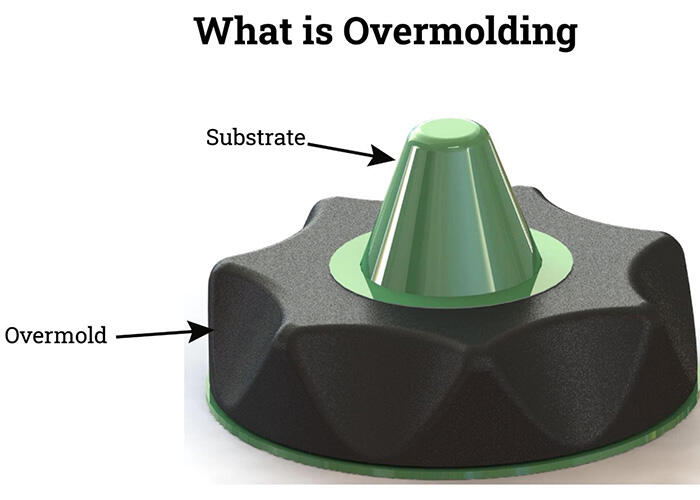
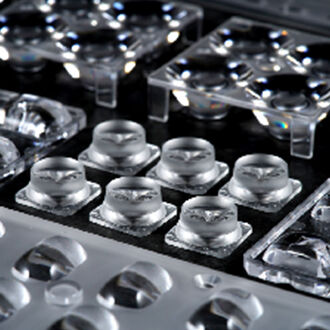
Plastic mold making provides extraordinary design flexibility and material versatility that empower you to innovate freely, differentiate your products, and meet diverse customer requirements without the constraints imposed by other manufacturing methods. The molding process accommodates virtually any geometric complexity, from simple cylindrical shapes to intricate forms with undercuts, threads, living hinges, and integrated mechanical features that would be impossible or prohibitively expensive to produce through machining or assembly. This design freedom allows your engineers and designers to optimize products for functionality and aesthetics simultaneously, creating parts that perform better while looking more appealing, without compromising either objective or inflating costs. Complex internal structures, such as ribbing for strength reinforcement or hollow sections for weight reduction, can be incorporated directly into molded parts, achieving structural performance that rivals metal components at a fraction of the weight and cost. Surface texturing options range from high-gloss polished finishes to elaborate grain patterns, leather textures, or custom designs that provide visual interest and tactile appeal while potentially serving functional purposes such as improved grip or reduced visible wear. The material versatility of plastic mold making encompasses hundreds of different resin formulations, each offering distinct properties that can be matched precisely to your application requirements. Engineering thermoplastics provide mechanical strength and temperature resistance suitable for demanding applications, while commodity resins offer cost-effective solutions for less critical uses, and specialty materials deliver unique characteristics such as transparency, flexibility, chemical resistance, electrical insulation, or biodegradability. Material selection can be optimized independently for each project based on performance requirements, regulatory compliance needs, environmental conditions, aesthetic preferences, and budget constraints. Custom color matching ensures your products display exact brand colors consistently, while multi-material molding techniques like overmolding and insert molding combine different materials within single parts, creating products with soft-touch grips on rigid structures or integrating metal components for strength where needed. The flexibility to incorporate additives such as glass fibers, mineral fillers, flame retardants, UV stabilizers, or antimicrobial agents allows fine-tuning of material properties to match specific application demands. This combination of design freedom and material options positions plastic mold making as the manufacturing solution that adapts to your vision rather than forcing your designs to conform to process limitations.