Automotive Mold Making Services: Precision Tooling Solutions for Vehicle Manufacturing Excellence

application/automotive-mold-making, application/automotive-mold-making, 
Get a Quote
Get a Quote

automotive mold making

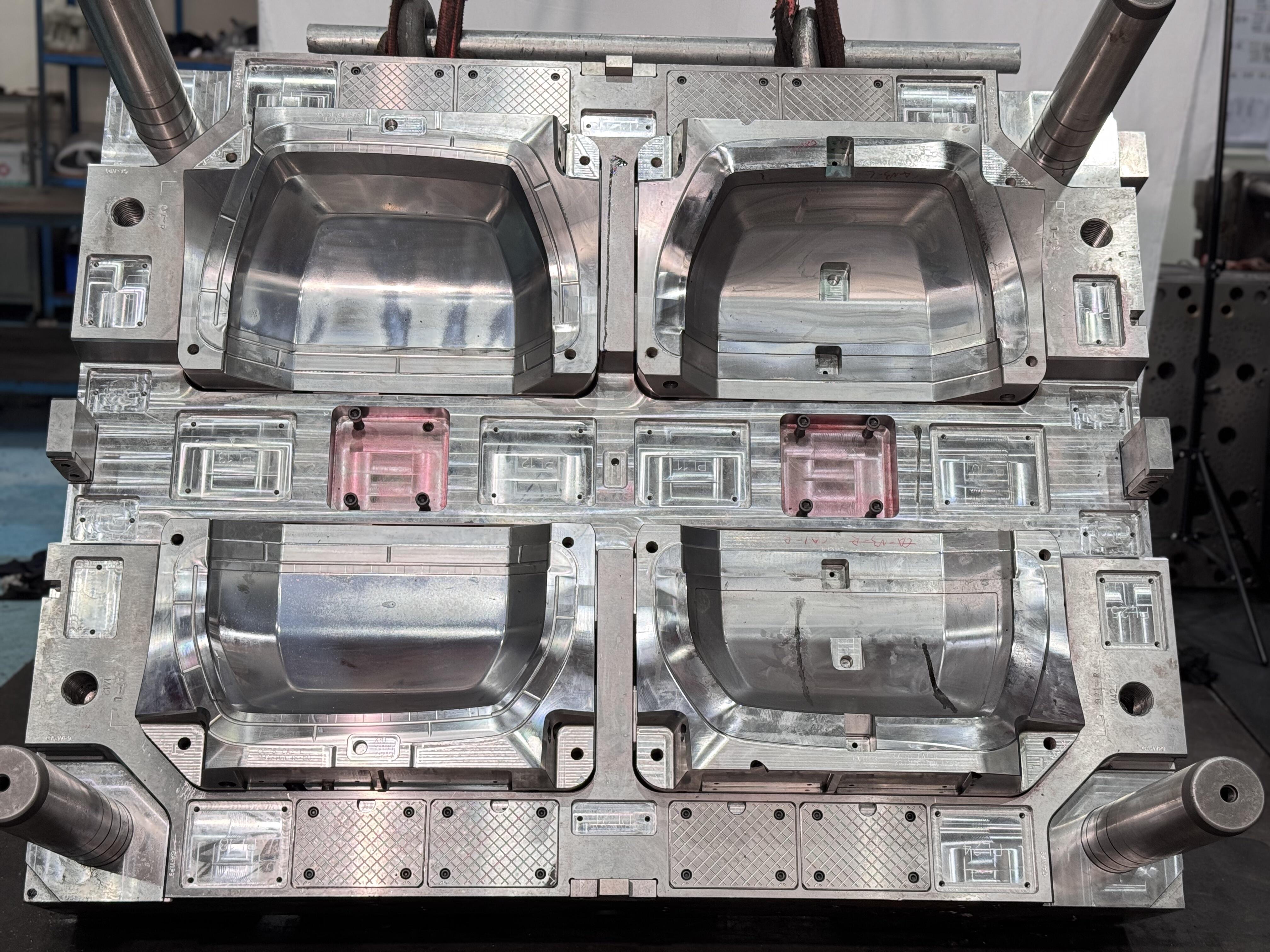
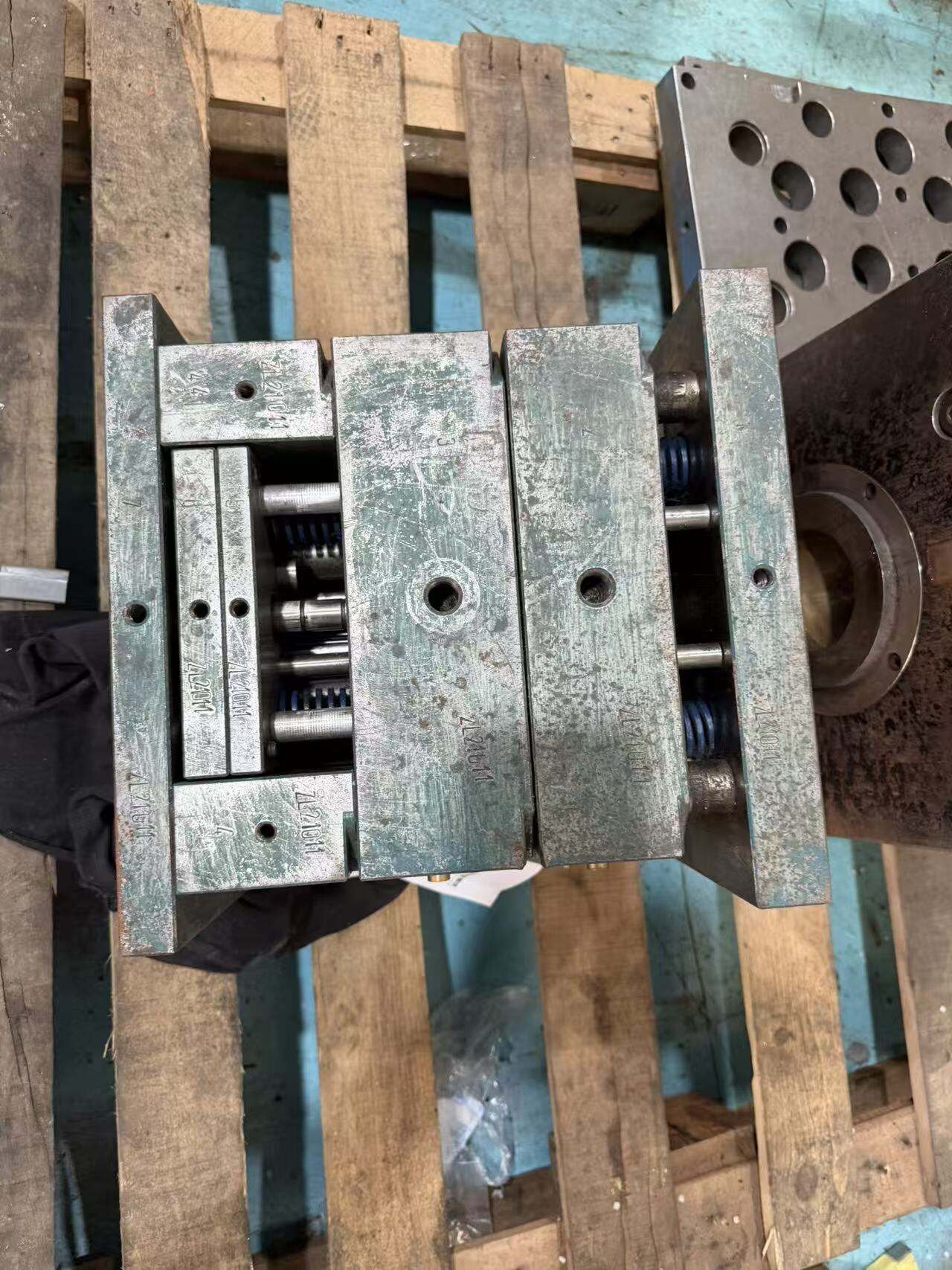
Automotive mold making represents a critical manufacturing process that shapes the foundation of modern vehicle production. This sophisticated engineering discipline involves designing and fabricating precision tools used to create various automotive components through injection molding, compression molding, stamping, and casting processes. The automotive mold making industry serves as the backbone for producing everything from exterior body panels and bumpers to interior dashboard components and intricate engine parts. These molds must meet exacting specifications to ensure consistent quality across thousands or millions of production cycles. The main functions of automotive mold making encompass creating durable tooling that can withstand high pressures and temperatures while maintaining dimensional accuracy throughout extended production runs. Modern automotive mold making integrates advanced computer-aided design software with precision machining equipment to achieve tolerances measured in microns. The technological features include multi-cavity designs that enable simultaneous production of multiple parts, automated ejection systems for efficient part removal, and sophisticated cooling channels that regulate temperature distribution for optimal material flow and faster cycle times. Advanced surface treatments and specialized steel alloys extend mold life while maintaining the quality standards demanded by automotive manufacturers. Applications span across every vehicle system, from structural components requiring exceptional strength to aesthetic parts demanding flawless surface finishes. The automotive mold making process begins with detailed analysis of part geometry, material selection considerations, and production volume requirements. Engineers utilize flow simulation software to predict material behavior and optimize gate locations,Runner systems, and venting strategies. This comprehensive approach ensures that automotive mold making delivers tools capable of producing parts that meet safety regulations, performance specifications, and aesthetic requirements. The integration of automation and robotics in automotive mold making has revolutionized production efficiency, enabling lights-out manufacturing capabilities and consistent quality control that manual processes cannot achieve.

Popular Products

The automotive mold making process delivers numerous practical benefits that directly impact manufacturing efficiency and product quality. First, it enables mass production with remarkable consistency, allowing manufacturers to produce thousands of identical parts with minimal variation. This repeatability ensures that every component meets exact specifications, reducing assembly problems and warranty claims. The cost efficiency achieved through automotive mold making becomes evident when producing large quantities, as the initial tooling investment distributes across millions of parts, dramatically lowering per-unit costs compared to alternative manufacturing methods. Automotive mold making also accelerates production timelines significantly. Once the tool is validated, manufacturers can produce parts in seconds or minutes rather than hours, meeting demanding production schedules and market demands. The flexibility inherent in automotive mold making allows designers to create complex geometries that would be impossible or prohibitively expensive using other methods. Undercuts, intricate details, and integrated features can be molded directly into parts, eliminating secondary operations and assembly steps. This design freedom encourages innovation while reducing overall manufacturing complexity. Material efficiency represents another major advantage, as automotive mold making minimizes waste by using only the material necessary for each part plus minimal runner systems. Modern hot runner technology virtually eliminates material waste entirely. The process accommodates a wide range of materials, from standard thermoplastics to advanced composites and lightweight alloys, giving engineers flexibility to select optimal materials for specific applications. Quality control becomes more manageable with automotive mold making because the process parameters can be precisely monitored and adjusted. Temperature, pressure, injection speed, and cooling time are controlled electronically, ensuring consistent results and enabling rapid troubleshooting when issues arise. The durability of properly maintained molds means production tools can last for years, producing millions of parts before requiring replacement. This longevity provides predictable manufacturing costs and stable supply chains. Automotive mold making also supports sustainability initiatives by enabling lighter-weight parts that improve fuel efficiency and reduce emissions. The precision of the process minimizes finishing requirements, reducing energy consumption and chemical usage associated with secondary operations. Finally, automotive mold making facilitates rapid market response, allowing manufacturers to update designs, introduce new models, and respond to consumer preferences more quickly than traditional manufacturing methods permit.

Tips And Tricks

Why is custom injection molding preferred for complex product designs?

29

Apr

Why is custom injection molding preferred for complex product designs?

Complex product designs present unique challenges that demand manufacturing solutions capable of delivering precision, consistency, and scalability. Engineers and product developers consistently turn to custom injection molding when facing intricate ...
View More
How does plastic moulding reduce material waste in mass production?

08

May

How does plastic moulding reduce material waste in mass production?

In modern manufacturing environments, controlling material waste has become a strategic priority that directly impacts profitability, sustainability credentials, and operational efficiency. Plastic moulding stands as one of the most waste-efficient p...
View More
How Does Mold Making Support Custom Product Development Projects?

27

May

How Does Mold Making Support Custom Product Development Projects?

When businesses set out to develop a new physical product, the path from concept to finished part is rarely straightforward. One of the most critical enabling technologies along that path is mold making. Whether a company is designing a consumer elec...
View More
How does plastic injection molding service optimize production timelines?

27

May

How does plastic injection molding service optimize production timelines?

In today's competitive manufacturing landscape, speed and precision are not optional — they are baseline expectations. A well-structured plastic injection molding service plays a central role in helping manufacturers, product developers, and OE...
View More

Get a Free Quote

Our representative will contact you soon.
0/1000
Precision Engineering for Uncompromising Quality Standards

Precision Engineering for Uncompromising Quality Standards

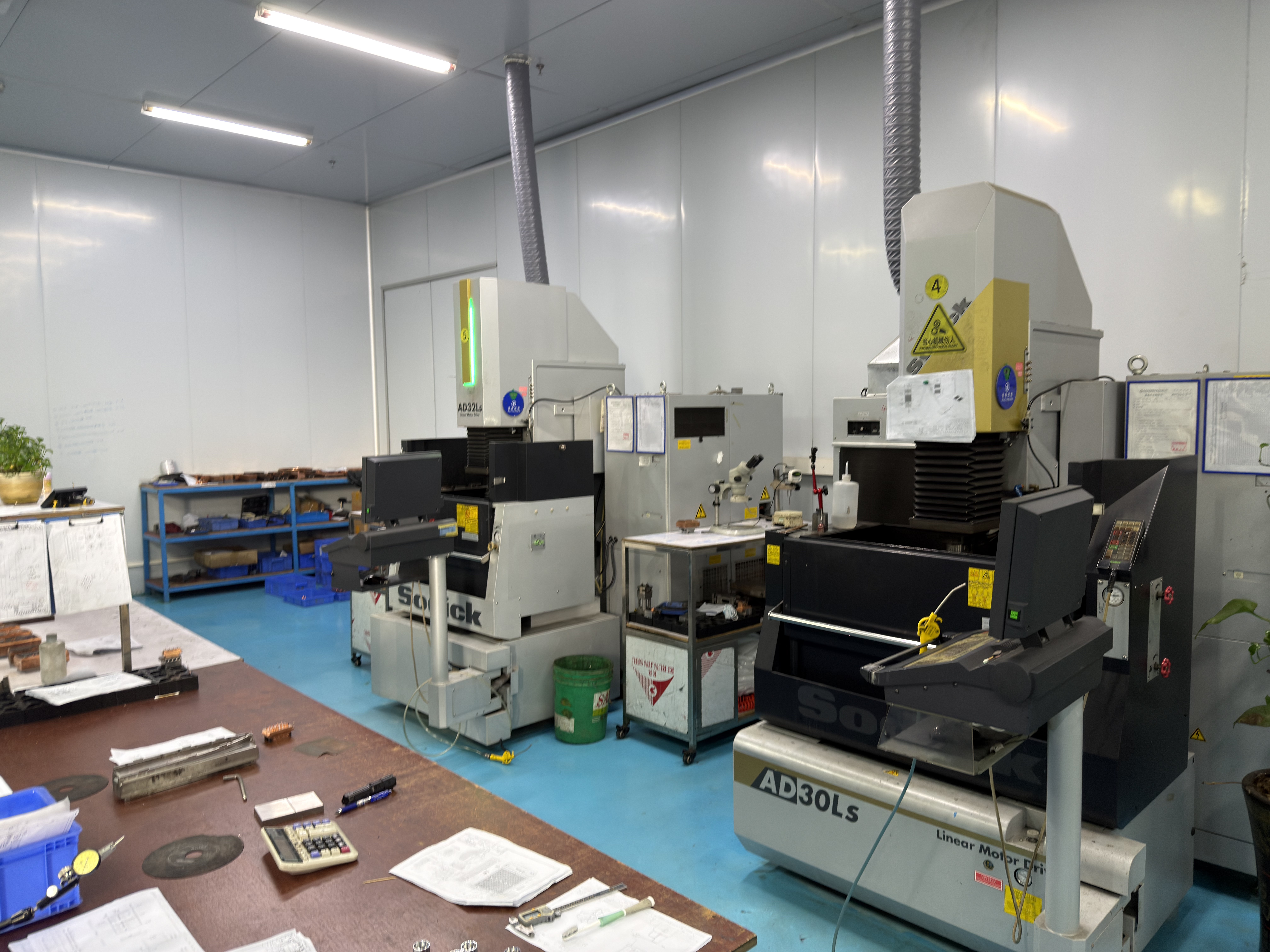
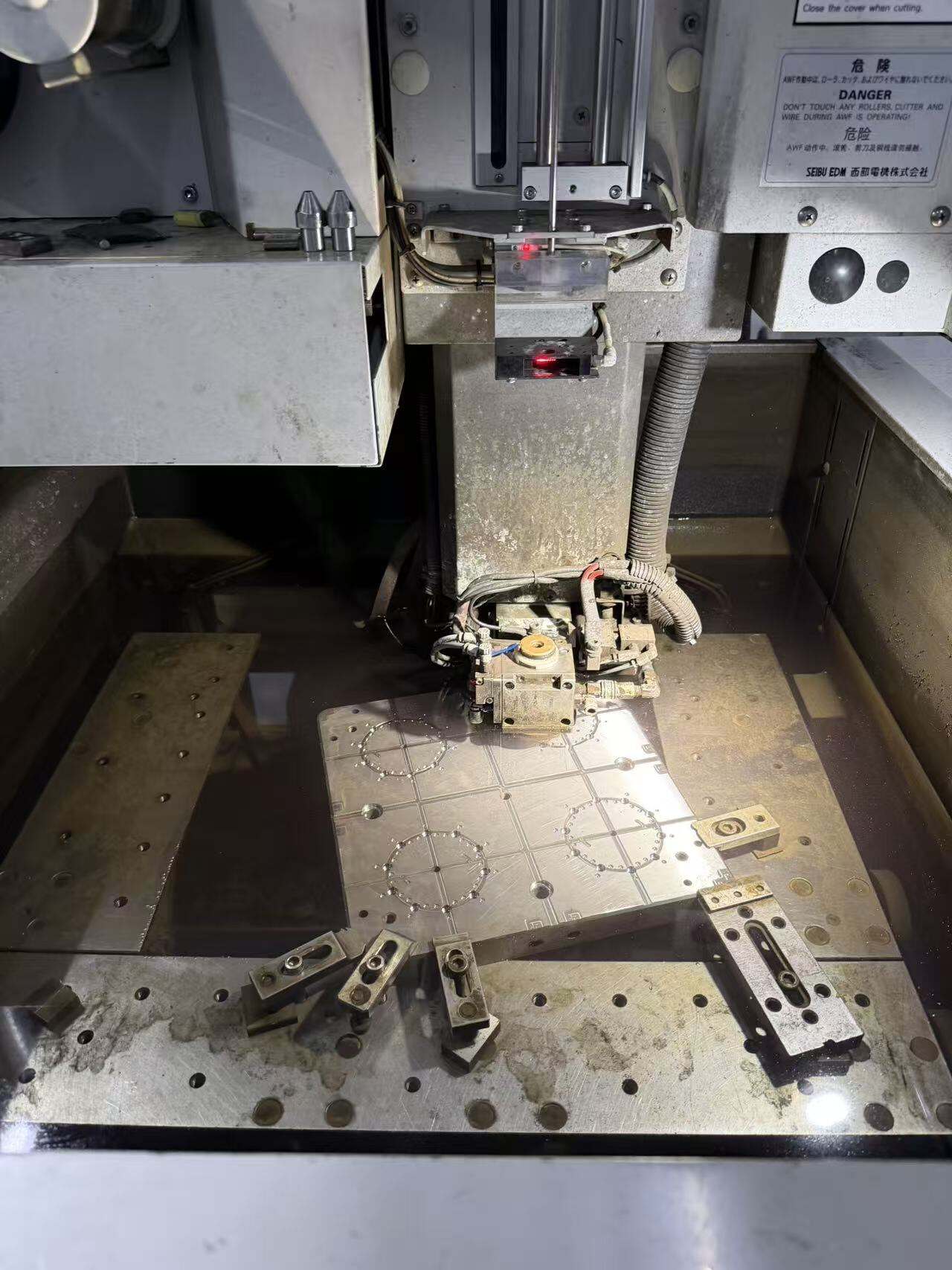
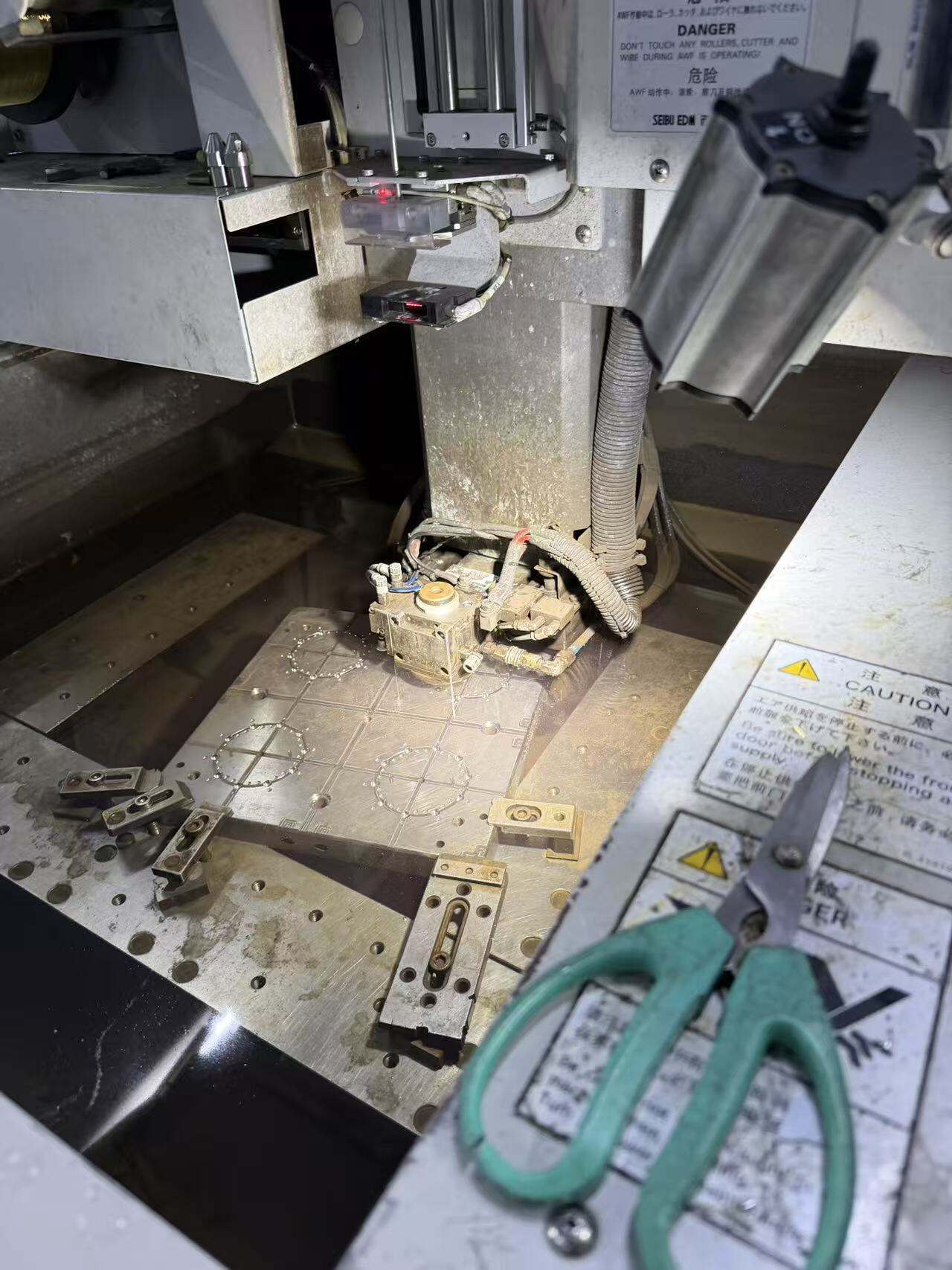
The precision engineering inherent in automotive mold making establishes quality standards that define modern vehicle manufacturing excellence. This critical aspect ensures every component produced meets stringent dimensional tolerances essential for proper fit, function, and safety. Automotive mold making utilizes advanced five-axis CNC machining centers capable of achieving surface finishes and geometric accuracies measured in micrometers, creating tools that faithfully reproduce design intent across extended production runs. The importance of this precision cannot be overstated, as even minute variations can compromise part performance, create assembly difficulties, or generate noise and vibration issues in finished vehicles. Engineers employ coordinate measuring machines and optical scanning systems throughout the automotive mold making process to verify dimensional accuracy at every stage, from initial machining through final assembly and validation. This meticulous attention to detail ensures that complex contours, mating surfaces, and critical dimensions remain within specification. The value this brings to customers manifests in reduced scrap rates, lower warranty costs, and enhanced brand reputation for quality. Automotive mold making precision extends beyond dimensional accuracy to encompass surface finish quality, which directly affects both aesthetic appeal and functional performance. Mirror-polished mold surfaces produce parts with showroom-quality finishes requiring no additional processing, while controlled textures can be incorporated directly into mold surfaces to achieve specific visual effects or functional properties like reduced glare or improved grip. The thermal management systems integrated into automotive mold making designs represent another dimension of precision engineering. Strategically positioned cooling channels maintain uniform temperature distribution, preventing warpage, sink marks, and internal stresses that compromise part quality. Advanced conformal cooling technology, enabled by additive manufacturing techniques, allows cooling channels to follow part geometry precisely, achieving optimal thermal performance impossible with conventional drilling methods. This precision thermal control reduces cycle times while improving part quality, delivering dual benefits of enhanced productivity and superior results. The longevity of precision-engineered molds provides lasting value, as properly designed and maintained tools can produce millions of parts while maintaining original quality standards, ensuring consistent supply and predictable manufacturing costs throughout vehicle production lifecycles.
Advanced Material Science and Durability Engineering

Advanced Material Science and Durability Engineering

Advanced material science forms the foundation of successful automotive mold making, determining tool life, maintenance requirements, and ultimate production economics. The selection of appropriate mold steels and surface treatments represents a critical decision that influences performance across millions of production cycles. Automotive mold making experts carefully evaluate factors including abrasion resistance, thermal conductivity, machinability, and dimensional stability when specifying materials for specific applications. High-performance tool steels undergoes specialized heat treatment processes that optimize hardness, toughness, and wear resistance to withstand the extreme pressures and temperatures encountered during production. Surface engineering treatments such as nitriding, PVD coating, and chrome plating further enhance mold durability by creating ultra-hard surface layers that resist wear while maintaining the dimensional accuracy essential for quality production. The importance of material science in automotive mold making becomes particularly evident in high-volume production scenarios where tools must maintain precision through millions of cycles without significant degradation. Advanced steel alloys specifically developed for automotive mold making applications offer superior performance characteristics compared to conventional tool steels, including enhanced thermal fatigue resistance that prevents surface cracking under repeated heating and cooling cycles. Corrosion resistance is another critical consideration, especially when processing materials that generate corrosive byproducts or when molds must withstand extended storage periods between production campaigns. Stainless steel alloys and specialized coatings protect against rust and chemical attack, preserving mold integrity and eliminating quality defects caused by surface deterioration. The value this materials expertise brings to customers includes extended tool life that reduces replacement costs, consistent part quality throughout production runs, and minimized downtime for maintenance and repairs. Automotive mold making professionals also consider thermal properties when selecting materials, as efficient heat transfer directly impacts cycle times and productivity. Copper alloys and beryllium copper inserts placed in critical areas provide enhanced cooling where standard steels cannot achieve required heat extraction rates. This strategic material selection optimizes both quality and efficiency. The investment in premium materials and surface treatments delivers substantial returns through reduced total cost of ownership, as durable tools require fewer repairs, maintain tighter tolerances longer, and support higher production rates compared to economy alternatives.
Integrated Technology and Smart Manufacturing Capabilities

Integrated Technology and Smart Manufacturing Capabilities

Integrated technology and smart manufacturing capabilities distinguish modern automotive mold making from traditional approaches, delivering unprecedented levels of efficiency, quality control, and production optimization. Contemporary automotive mold making incorporates sophisticated sensors, monitoring systems, and data analytics that transform static tools into intelligent production assets capable of self-monitoring and predictive maintenance. Embedded temperature sensors throughout the mold structure provide real-time thermal profiling, enabling operators to identify cooling inefficiencies, hot spots, or thermal imbalances that affect part quality or cycle time. Pressure transducers monitor cavity filling dynamics, detecting anomalies that indicate material degradation, process drift, or impending tool failure before defective parts are produced. This proactive monitoring capability represents tremendous value for customers by preventing costly scrap, reducing downtime, and ensuring consistent quality. Automotive mold making technology integration extends to automated part ejection systems incorporating vision inspection that verifies part presence, orientation, and quality before release to downstream operations. Machine learning algorithms analyze production data to identify subtle patterns indicating process optimization opportunities or emerging maintenance needs, enabling continuous improvement and maximizing return on tooling investment. The importance of these smart manufacturing capabilities grows as production volumes increase and quality requirements tighten, making manual monitoring impractical and increasing the risk of undetected quality excursions. Advanced automotive mold making designs incorporate quick-change features that reduce setup times when transitioning between product variants, supporting flexible manufacturing strategies and just-in-time production philosophies. Modular construction allows specific mold sections to be replaced or modified without complete tool rebuilds, extending useful life and adapting to design changes more economically. Simulation technology integrated throughout the automotive mold making development process validates designs virtually before committing to expensive machining operations, identifying potential issues with filling patterns, weld lines, air traps, or cooling efficiency. This front-loading of problem-solving reduces development time, minimizes costly iterations, and ensures tools perform correctly from first article production. The connectivity enabled by Industry 4.0 technologies allows automotive mold making assets to communicate with enterprise systems, providing production visibility, tracking tool utilization, scheduling preventive maintenance, and optimizing asset deployment across manufacturing facilities. This digital integration delivers measurable value through improved overall equipment effectiveness, reduced inventory carrying costs, and enhanced supply chain responsiveness that strengthens competitive position in demanding automotive markets.