Material Versatility and Application Flexibility
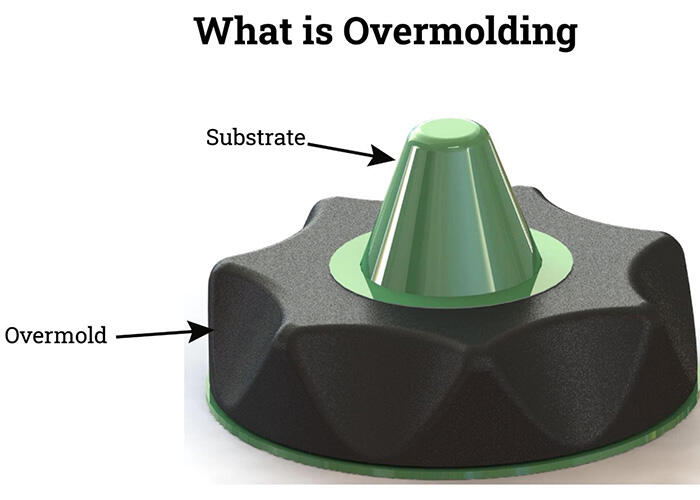
Material versatility distinguishes custom mold making as an exceptionally adaptable manufacturing solution capable of working with an extensive range of materials to meet diverse application requirements across industries. This flexibility empowers you to select materials based on specific performance criteria, environmental conditions, regulatory requirements, and cost considerations that align with your product objectives. Custom mold making accommodates thermoplastics, thermosets, elastomers, composites, and specialized polymer formulations, each offering distinct properties suitable for different applications. Thermoplastic materials compatible with custom mold making include commodity polymers like polyethylene and polypropylene for cost-effective general applications, as well as engineering-grade materials such as nylon, polycarbonate, and acetal that provide enhanced mechanical properties, temperature resistance, and chemical stability for demanding environments. The ability to work with these diverse materials means you can optimize product performance while managing material costs effectively. Custom mold making also supports advanced materials including glass-filled composites that deliver exceptional strength-to-weight ratios, flame-retardant formulations meeting stringent safety standards, and medical-grade polymers that satisfy biocompatibility requirements for healthcare applications. This material flexibility ensures your products meet industry-specific regulations and performance standards without compromising manufacturability. Elastomeric materials processed through custom mold making provide flexibility, resilience, and sealing properties essential for gaskets, seals, grips, and vibration-dampening components across automotive, industrial, and consumer applications. The Shore hardness range available in elastomers allows precise tuning of flexibility characteristics to match functional requirements. Custom mold making techniques accommodate material combinations and overmolding processes that bond different materials in a single part, creating products with multiple functional zones, enhanced ergonomics, or improved aesthetics. This capability enables innovative product designs that would be impractical or impossible with single-material construction. Color customization represents another dimension of material versatility, as custom mold making produces parts in virtually any color through pigment addition or color concentrates, eliminating secondary painting operations and reducing production costs. The surface finish possibilities enabled by custom mold making span from transparent clarity for optical applications to textured surfaces that enhance grip or conceal minor imperfections. Material selection in custom mold making also addresses environmental considerations, with options including recycled content materials, bio-based polymers, and formulations designed for end-of-life recyclability that support corporate sustainability goals. The application flexibility resulting from this material versatility positions custom mold making as the preferred manufacturing approach across industries including automotive components, medical devices, consumer electronics, packaging solutions, industrial equipment, sporting goods, and household products. Each application benefits from the ability to match material properties precisely to performance requirements, ensuring optimal functionality, durability, and user satisfaction. This comprehensive material versatility combined with proven production efficiency makes custom mold making an indispensable manufacturing technology for businesses seeking competitive advantages through superior product quality and operational excellence.


 EN
EN