Optical Plastic Mold Solutions: Precision Manufacturing for High-Quality Optical Components

application/optical-plastic-mold, application/optical-plastic-mold, 
Get a Quote
Get a Quote

optical plastic mold

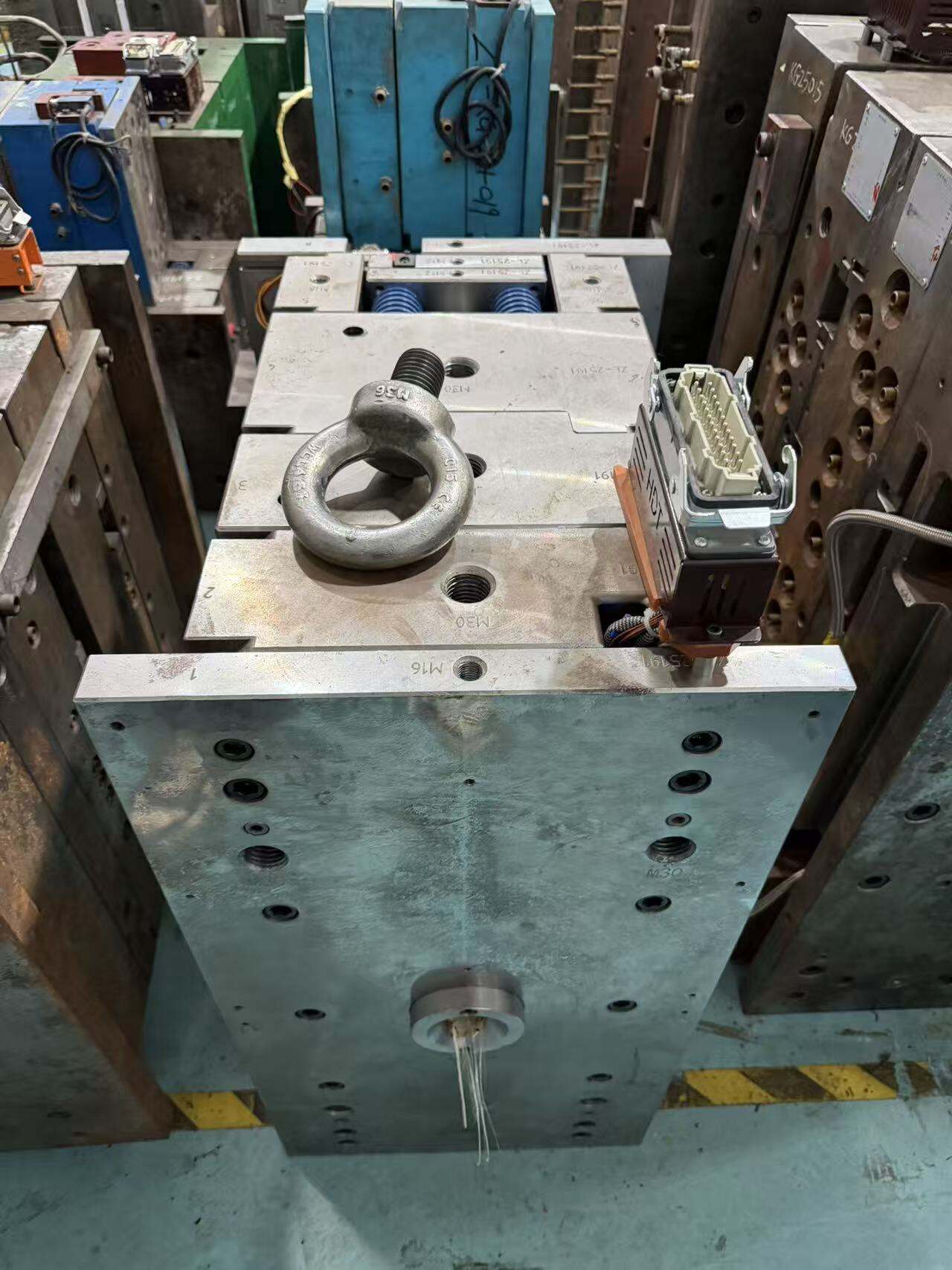
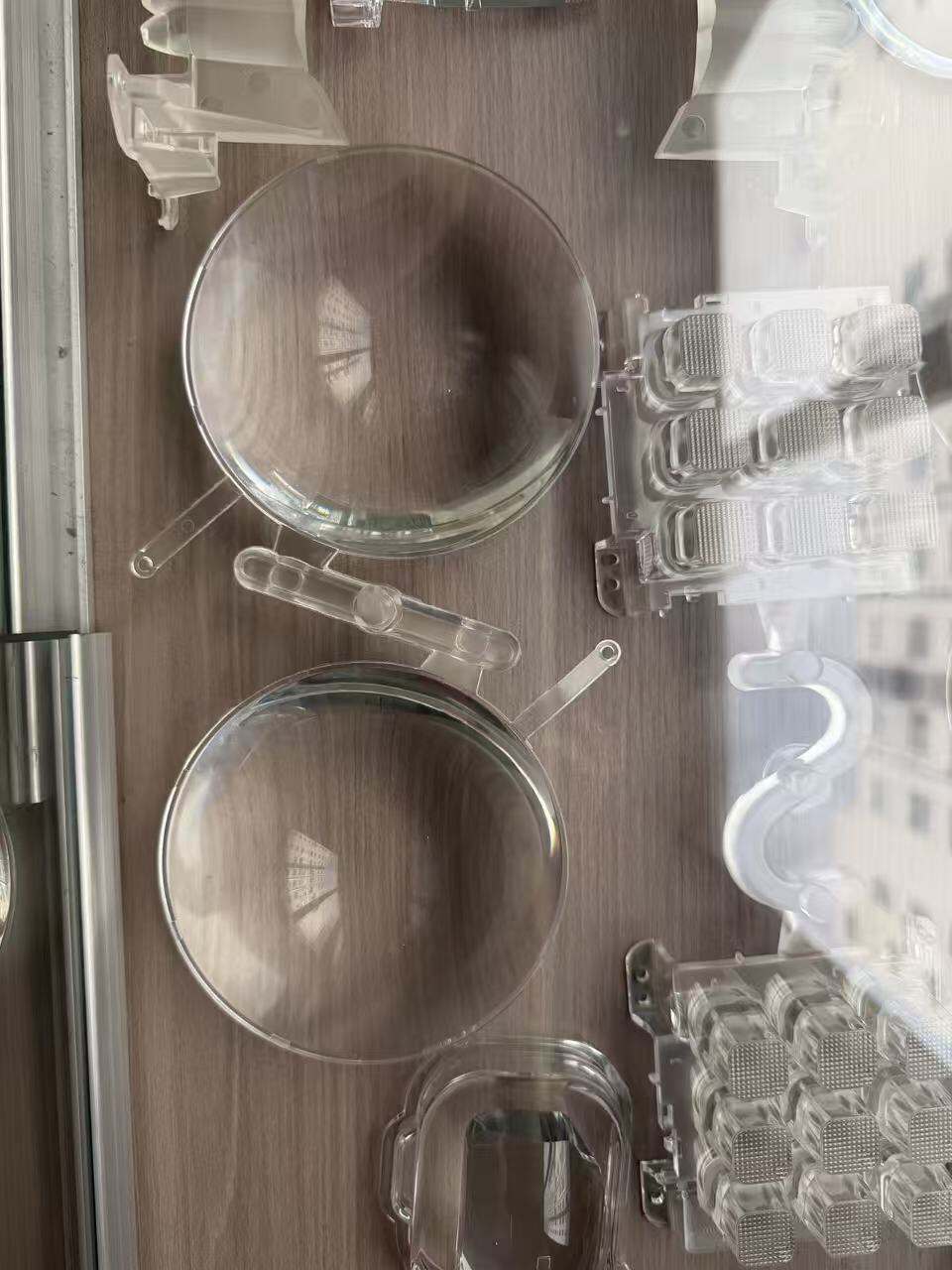
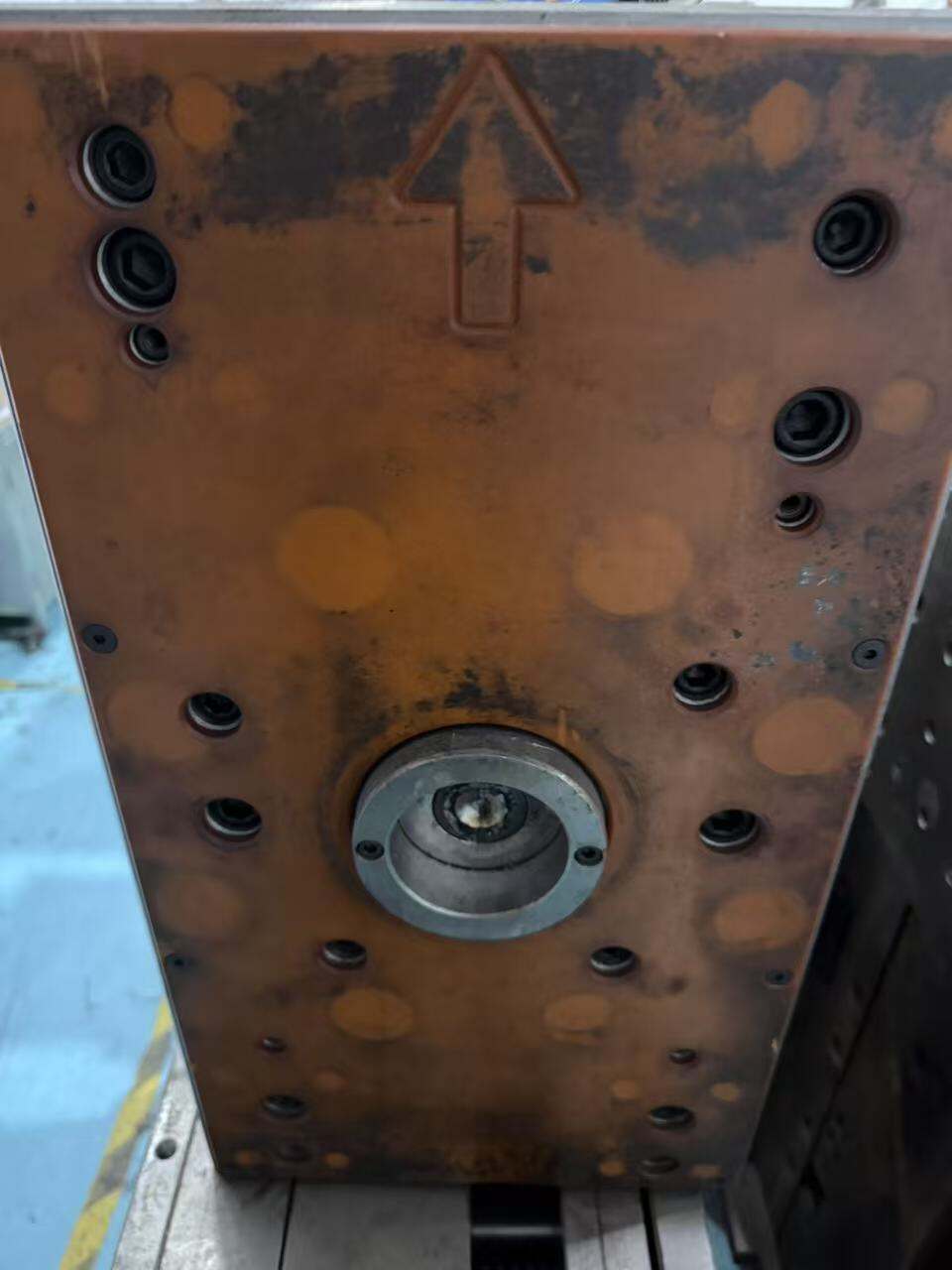
An optical plastic mold represents a specialized precision manufacturing tool designed specifically for producing high-quality optical components from polymer materials. This sophisticated equipment combines advanced engineering principles with cutting-edge manufacturing technology to create lenses, light guides, camera modules, display screens, and various other transparent or light-transmitting plastic parts that demand exceptional clarity and dimensional accuracy. The optical plastic mold serves as the foundation for mass-producing optical components used across multiple industries, from consumer electronics and automotive lighting to medical devices and telecommunications equipment. These molds incorporate intricate cavity designs, precise temperature control systems, and specialized surface treatments that enable the replication of complex geometric shapes while maintaining optical properties essential for light transmission and refraction. The manufacturing process utilizing an optical plastic mold involves injecting molten plastic material under controlled pressure and temperature into carefully engineered cavities, where the material cools and solidifies into the desired optical component. Modern optical plastic mold technology has revolutionized how manufacturers approach optical component production, offering faster cycle times, lower production costs, and greater design flexibility compared to traditional glass grinding and polishing methods. The technological sophistication embedded within each optical plastic mold ensures consistent quality across thousands or millions of production cycles, making it indispensable for companies requiring reliable, repeatable results. Key applications include smartphone camera lenses, automotive headlight assemblies, medical imaging equipment, virtual reality headsets, LED lighting fixtures, and security camera systems. The precision achievable with an optical plastic mold often reaches tolerances measured in microns, ensuring that each produced component meets stringent optical performance standards. As consumer demand for smaller, lighter, and more affordable optical devices continues growing, the optical plastic mold has become increasingly critical for manufacturers seeking competitive advantages through superior production capabilities and cost efficiency.

New Product Releases

Manufacturers who invest in optical plastic mold technology gain immediate access to numerous practical benefits that directly impact their bottom line and market competitiveness. First and foremost, production speed increases dramatically compared to traditional optical manufacturing methods. While glass lens grinding might take hours or days per component, an optical plastic mold can produce identical parts in cycles lasting just seconds to minutes, enabling manufacturers to fulfill large orders quickly and respond rapidly to market demands. Cost savings represent another compelling advantage, as the material expenses for optical-grade plastics remain significantly lower than specialty optical glass, and the automated nature of molding processes reduces labor costs substantially. The versatility offered by optical plastic mold technology allows designers to incorporate complex geometries, integrated mounting features, and multiple optical surfaces into single components, eliminating assembly steps and reducing overall product complexity. This design freedom extends to creating aspherical lens profiles, micro-optical structures, and compound curves that would be prohibitively expensive or impossible to achieve through glass fabrication. Durability benefits emerge from the inherent properties of engineering plastics, which resist shattering and can withstand impacts that would destroy glass equivalents, making products safer for consumers and more reliable in demanding environments. Weight reduction provides tangible advantages across applications, as plastic optical components weigh considerably less than glass counterparts, contributing to lighter consumer devices, improved fuel efficiency in vehicles, and reduced shipping costs. The optical plastic mold production process generates less waste than subtractive manufacturing methods, supporting sustainability initiatives and reducing disposal costs. Consistency and repeatability ensure that every component produced meets identical specifications, minimizing quality control rejections and warranty claims while building customer confidence in product reliability. Rapid prototyping capabilities allow companies to test new designs quickly by producing small batches before committing to full-scale production, reducing development risks and accelerating time-to-market for innovative products. Surface finish quality achievable directly from an optical plastic mold often eliminates secondary polishing operations, further reducing production time and costs. The technology accommodates various optical-grade materials including polycarbonate, acrylic, cyclic olefin copolymer, and specialty polymers, providing flexibility to optimize material selection for specific performance requirements such as temperature resistance, chemical compatibility, or light transmission characteristics. Integration possibilities extend to embedding additional features like mounting bosses, alignment pins, or decorative elements directly into molded optical components, streamlining assembly processes and reducing part counts in finished products.

Tips And Tricks

What makes custom injection molding a cost-effective production solution?

29

Apr

What makes custom injection molding a cost-effective production solution?

Manufacturing decision-makers constantly seek production methods that balance quality, speed, and economic efficiency. Custom injection molding has emerged as a dominant solution across industries ranging from automotive and medical devices to consum...
View More
Why is custom injection molding preferred for complex product designs?

29

Apr

Why is custom injection molding preferred for complex product designs?

Complex product designs present unique challenges that demand manufacturing solutions capable of delivering precision, consistency, and scalability. Engineers and product developers consistently turn to custom injection molding when facing intricate ...
View More
What industries benefit most from professional injection molding companies?

08

May

What industries benefit most from professional injection molding companies?

Manufacturing precision parts at scale requires specialized capabilities that only experienced injection molding companies can deliver. Across global industries, businesses rely on these partnerships to transform raw polymer materials into complex co...
View More
Can injection molding companies handle complex multi-industry demands?

27

May

Can injection molding companies handle complex multi-industry demands?

Modern manufacturing landscapes present unique challenges that test the operational boundaries of production facilities across sectors. As businesses expand into diverse markets—from medical devices to automotive components, consumer electronic...
View More

Get a Free Quote

Our representative will contact you soon.
0/1000
Exceptional Precision Engineering for Optical Excellence

Exceptional Precision Engineering for Optical Excellence

The foundation of any superior optical plastic mold lies in its precision engineering capabilities, which directly determine the quality and performance of every optical component produced. These specialized molds undergo meticulous design and manufacturing processes that incorporate tolerances measured in micrometers, ensuring that critical optical surfaces replicate with absolute fidelity across millions of production cycles. The cavity surfaces within an optical plastic mold receive diamond turning or ultra-precision machining treatments that create mirror-smooth finishes with surface roughness values often below 10 nanometers, which translates directly to the optical quality of molded parts. This level of precision engineering prevents light scattering, minimizes aberrations, and ensures maximum light transmission through finished components. Temperature control systems integrated throughout the optical plastic mold maintain uniform thermal conditions during the molding cycle, preventing warpage, internal stresses, and refractive index variations that would compromise optical performance. The mold design incorporates sophisticated gating systems that control material flow patterns, ensuring complete cavity filling without creating flow lines, weld marks, or density variations that would be visible in transparent optical components. Precision ejection mechanisms built into the optical plastic mold protect delicate optical surfaces during part removal, utilizing carefully positioned ejector pins, air assists, or specialized release systems that prevent scratching or deformation. The steel or aluminum alloys selected for optical plastic mold construction undergo specialized heat treatments and surface hardening processes that maintain dimensional stability across extended production runs despite the thermal cycling and mechanical stresses inherent in injection molding. Advanced cooling channel designs optimize heat extraction rates and uniformity, reducing cycle times while maintaining the thermal consistency essential for repeatable optical properties. Multi-cavity optical plastic mold configurations enable simultaneous production of multiple identical components with cavity-to-cavity dimensional matching that ensures interchangeable parts, critical for assembly line efficiency and product quality consistency. The engineering precision extends to parting line design, where mold halves meet with tolerances so tight that parting line witnesses remain invisible or minimal on finished optical surfaces, eliminating secondary finishing operations and preserving design aesthetics.
Versatile Material Compatibility and Performance Optimization

Versatile Material Compatibility and Performance Optimization

Modern optical plastic mold technology demonstrates remarkable versatility through its compatibility with diverse optical-grade polymer materials, each offering unique performance characteristics that manufacturers can leverage to optimize products for specific applications and operating environments. Polycarbonate materials processed through optical plastic mold systems deliver exceptional impact resistance combined with good optical clarity, making them ideal for safety-critical applications like protective eyewear, automotive lighting components, and electronic device screens where durability must coexist with transparency. Acrylic polymers, when formed using precision optical plastic mold equipment, provide superior light transmission exceeding 92 percent and excellent weatherability, serving applications in outdoor lighting, architectural glazing, and display systems where long-term clarity under UV exposure remains essential. Cyclic olefin copolymers represent advanced materials that optical plastic mold technology can process to create components with extremely low birefringence, high chemical resistance, and moisture barrier properties, crucial for medical diagnostic equipment, high-performance camera lenses, and laboratory instruments requiring optical stability across varying environmental conditions. The thermal management capabilities engineered into optical plastic mold systems accommodate the specific processing requirements of each material type, with precise barrel temperature profiles, mold temperature controls, and cooling rates optimized to prevent degradation, maintain molecular orientation, and achieve desired optical properties in finished parts. Material selection flexibility extends to specialty compounds incorporating additives that enhance UV resistance, improve scratch resistance, or modify refractive indices to meet specific optical design requirements, all processable through appropriately configured optical plastic mold systems. The injection molding process facilitated by optical plastic mold technology allows manufacturers to achieve material property optimization that would be difficult or impossible through alternative fabrication methods, including controlled molecular orientation for stress management, uniform density distribution for consistent refractive properties, and contamination-free production environments that maintain material purity essential for optical applications. Processing parameter windows established for each material-mold combination ensure repeatability, with documented recipes specifying injection pressures, holding times, cooling durations, and other critical variables that production operators follow to guarantee consistent results regardless of which shift operates the equipment or how many years the optical plastic mold remains in service.

Cost-Effective Mass Production with Sustainable Benefits

Cost-Effective Mass Production with Sustainable Benefits

The economic advantages delivered by optical plastic mold technology transform the financial equation for companies producing optical components, enabling profitable mass production at price points that expand market access and drive consumer adoption across numerous product categories. Initial tooling investment in an optical plastic mold generates returns through dramatically reduced per-unit production costs, as automated molding cycles produce finished optical components in 30 to 120 seconds depending on part complexity and size, compared to hours required for equivalent glass lens grinding and polishing operations. Labor cost reductions emerge naturally from the automated nature of optical plastic mold production, where single operators oversee multiple molding machines simultaneously, and robotic systems handle part removal, inspection, and packaging tasks that would otherwise require dedicated personnel for each production station. Material utilization efficiency inherent in injection molding minimizes waste, as runner systems and sprues from optical plastic mold operations can often be reground and reused in non-optical applications, and the precision of modern molding equipment reduces scrap rates to minimal levels once processes stabilize. Energy consumption per part produced through optical plastic mold technology remains substantially lower than energy-intensive glass melting and forming processes, contributing to reduced operating costs and supporting corporate sustainability initiatives increasingly important to environmentally conscious consumers and regulatory frameworks. The scalability advantages of optical plastic mold production allow manufacturers to respond dynamically to market demand fluctuations, ramping production volumes up or down by adjusting machine utilization rates without the capital expenditure increases that expanding glass lens manufacturing capacity would require. Product development cycle compression represents another economic benefit, as rapid prototyping capabilities using production-intent optical plastic mold tooling enable faster design validation, earlier market entry, and reduced risk of costly design errors discovered only after committing to full production. Quality consistency delivered by optical plastic mold technology reduces warranty claims, customer returns, and reputation damage associated with variable product performance, protecting profit margins and brand value while building customer loyalty through reliable product experiences. The extended service life of properly maintained optical plastic mold tooling amortizes initial investment costs across millions of production cycles, often spanning five to ten years of continuous operation before requiring refurbishment, making the per-unit tooling cost negligible in high-volume production scenarios that characterize consumer electronics, automotive components, and lighting products.