Design Versatility Enabling Complex Geometries and Integrated Features
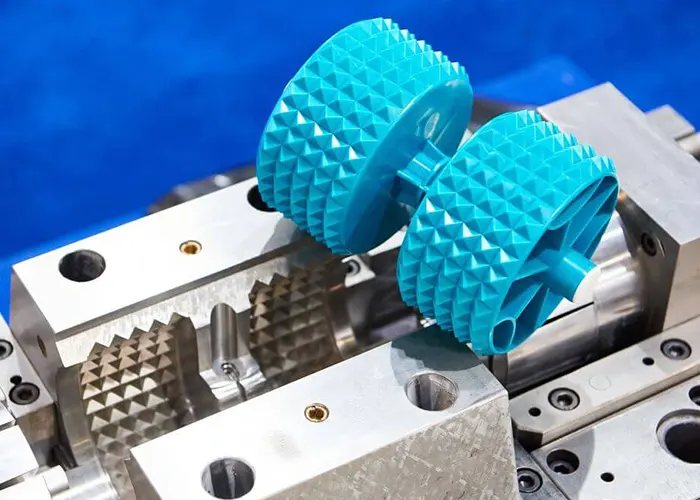
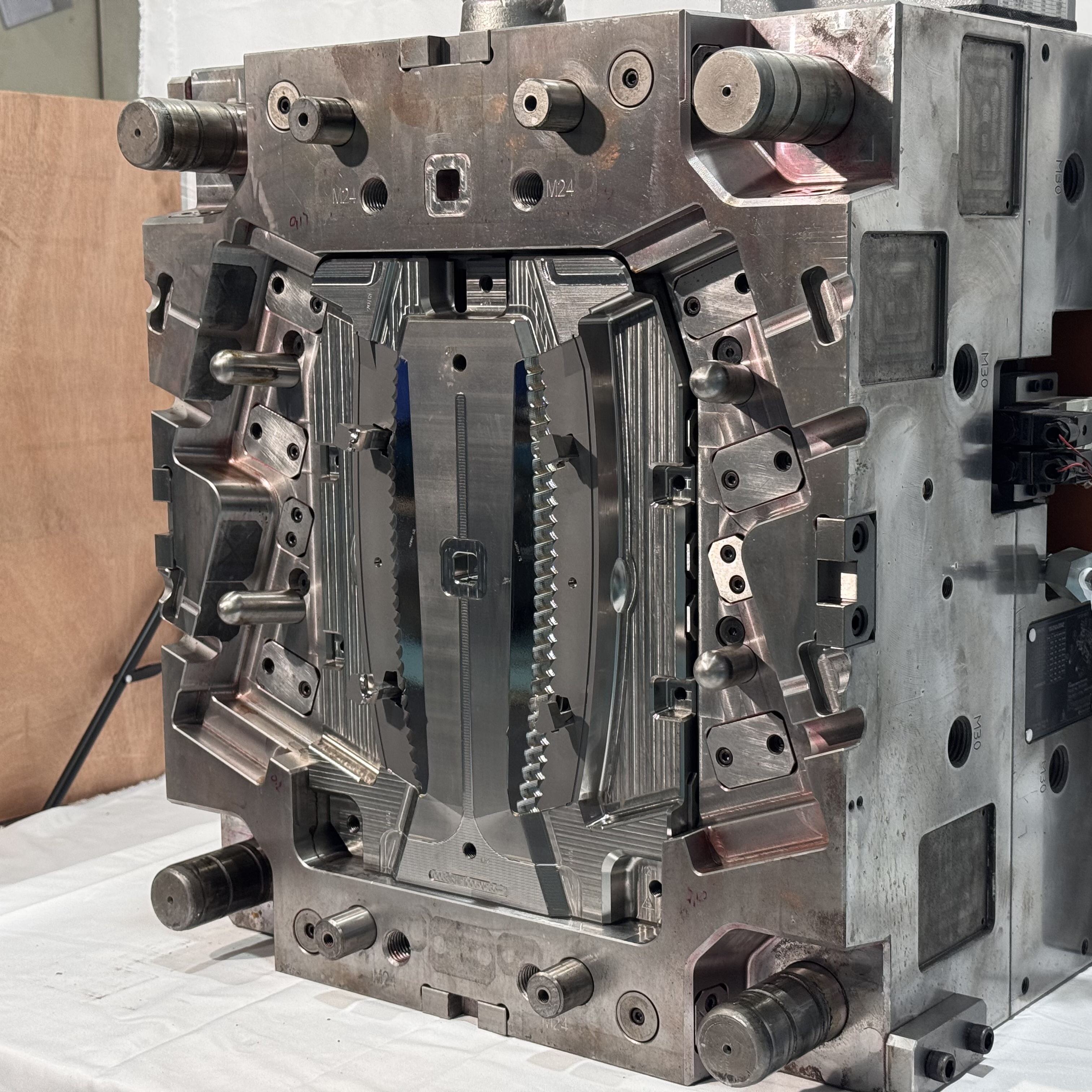
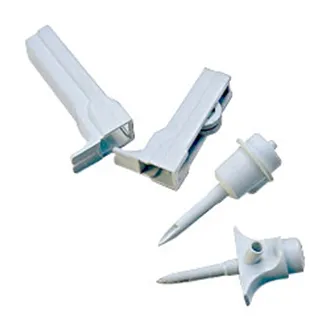
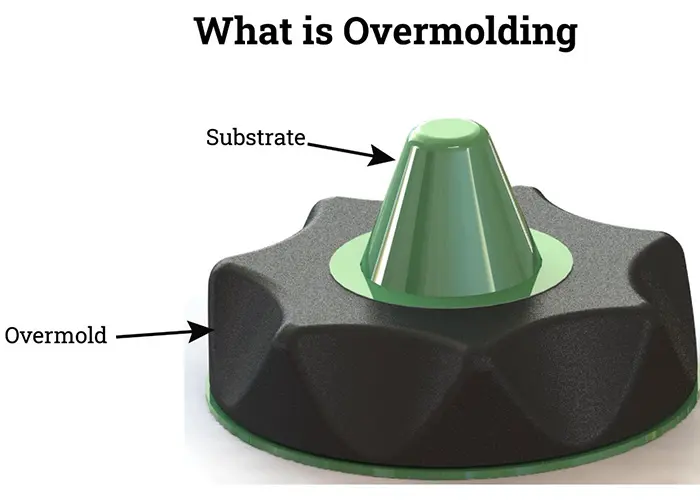
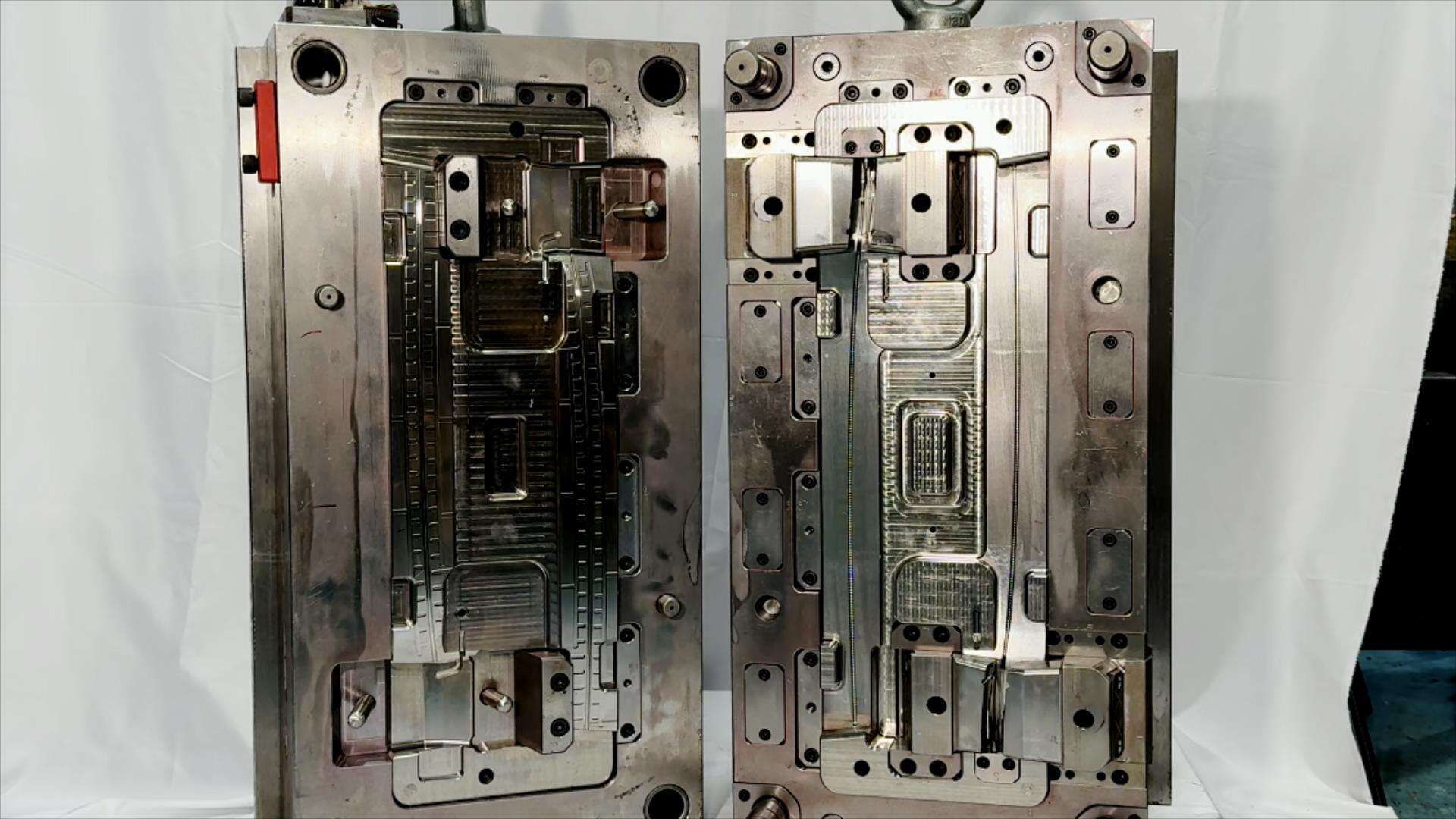
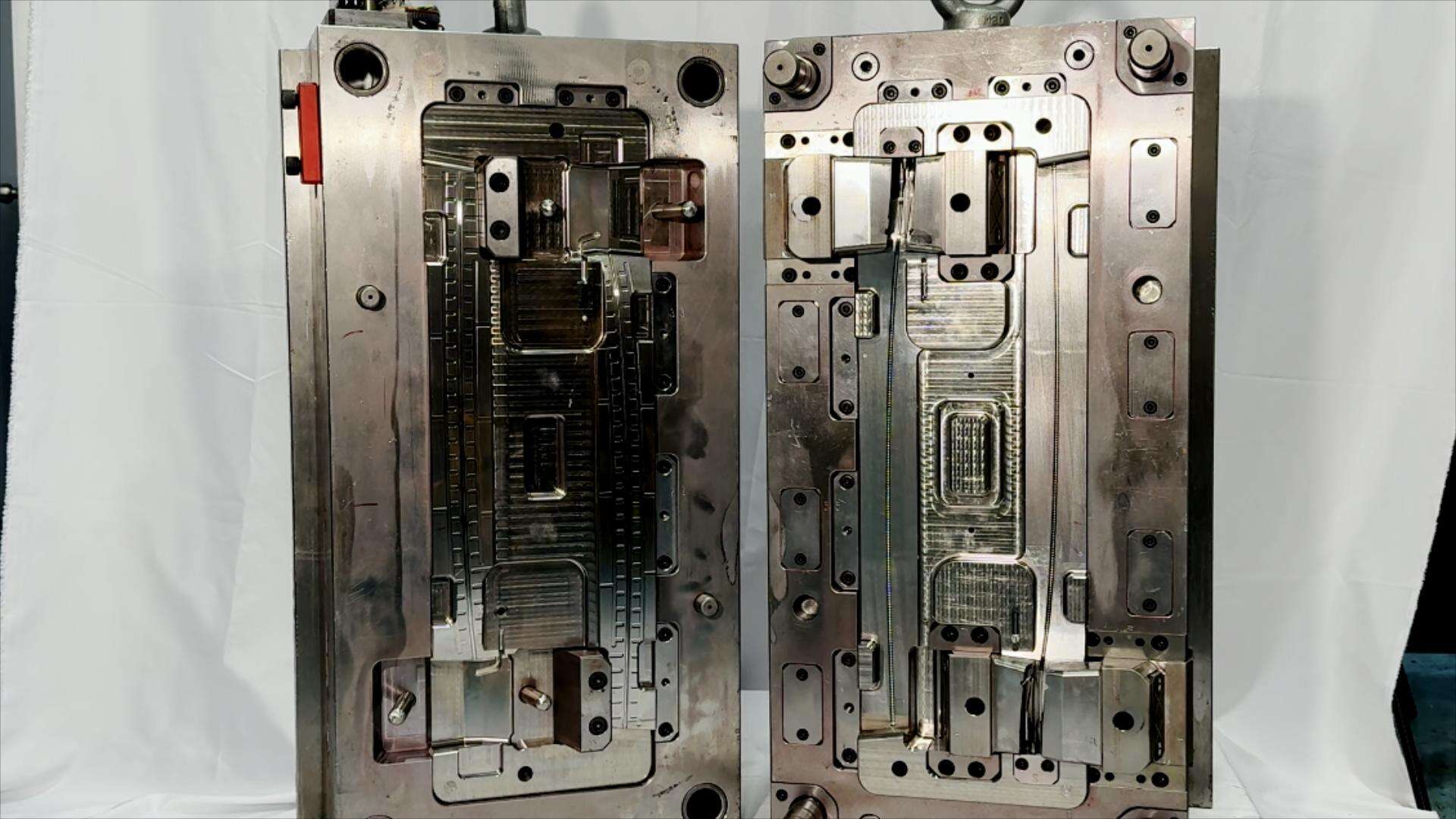
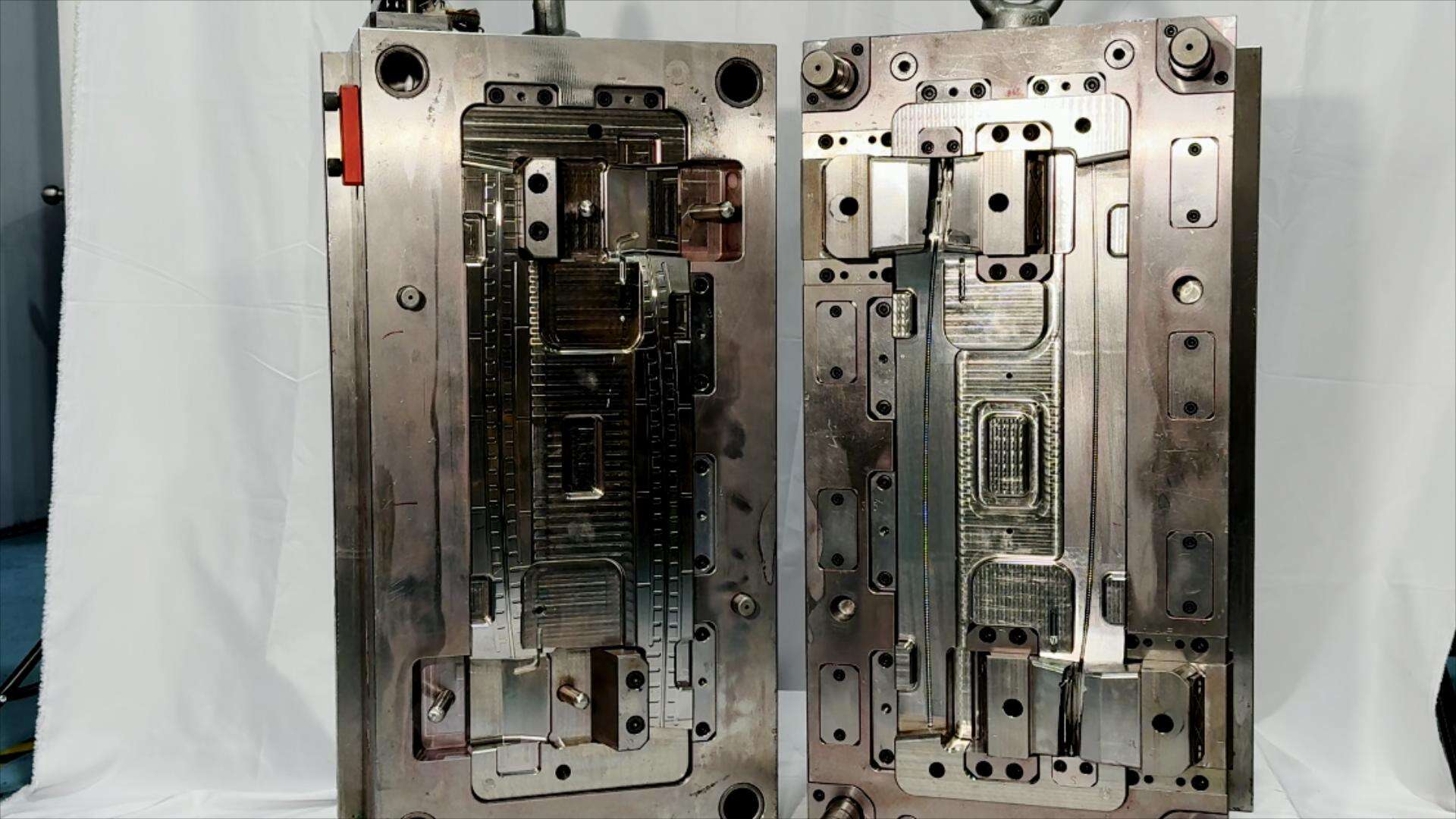
The remarkable design freedom offered by plastic mold technology empowers engineers and product developers to create components with complexity and sophistication that would be impractical or impossible using other manufacturing methods. This versatility transforms the product development process, shifting limitations from manufacturing constraints to imagination boundaries. When your design team understands the capabilities inherent in plastic mold production, they can optimize products for functionality, aesthetics, and user experience without compromise. Complex three-dimensional geometries become achievable realities rather than theoretical concepts. Internal passages, hollow sections, and intricate external contours can all be incorporated into a single plastic mold design. Variable wall thicknesses allow material to be placed precisely where structural requirements demand while minimizing weight and material consumption in areas where less strength suffices. Organic, flowing shapes that would require extensive machining or hand finishing with traditional methods emerge complete from the plastic mold, ready for assembly or final use. The ability to create undercuts and reverse angles through strategic core pulling or side action mechanisms expands design possibilities dramatically. Features like clips, snaps, living hinges, and threads can be molded directly into parts, eliminating secondary operations and assembly steps. This integration reduces part counts, simplifies inventory management, and accelerates final product assembly. A single molded component can replace multiple machined or fabricated pieces, reducing costs while potentially improving performance through elimination of joints and fasteners. Surface texturing capabilities built into the plastic mold create functional and aesthetic benefits simultaneously. Fine grain textures hide minor surface imperfections while providing improved grip. Decorative patterns, simulated materials like leather or wood grain, and company branding elements all transfer from the mold surface to every produced part with perfect consistency. Polished mold surfaces create transparent or high-gloss parts without secondary finishing operations. Insert molding and overmolding techniques available with plastic mold processes create sophisticated multi-material components. Metal threaded inserts, electrical contacts, or structural reinforcements can be placed in the mold before plastic injection, becoming permanently encapsulated in the finished part. Overmolding allows a rigid structural plastic to be covered with soft, comfortable grip material in a single operation. These techniques enable product features and user experiences that justify premium market positioning. The design iteration process benefits from modern simulation software that predicts how plastic material will flow through your proposed plastic mold design. Virtual testing identifies potential issues like air traps, weld lines, or sink marks before committing to physical mold construction, saving time and expense while optimizing final part quality.


 EN
EN