Professional Plastic Mold Factory Services - Custom Injection Molding Solutions

application/plastic-mold-factory, application/plastic-mold-factory, 
Get a Quote
Get a Quote

plastic mold factory

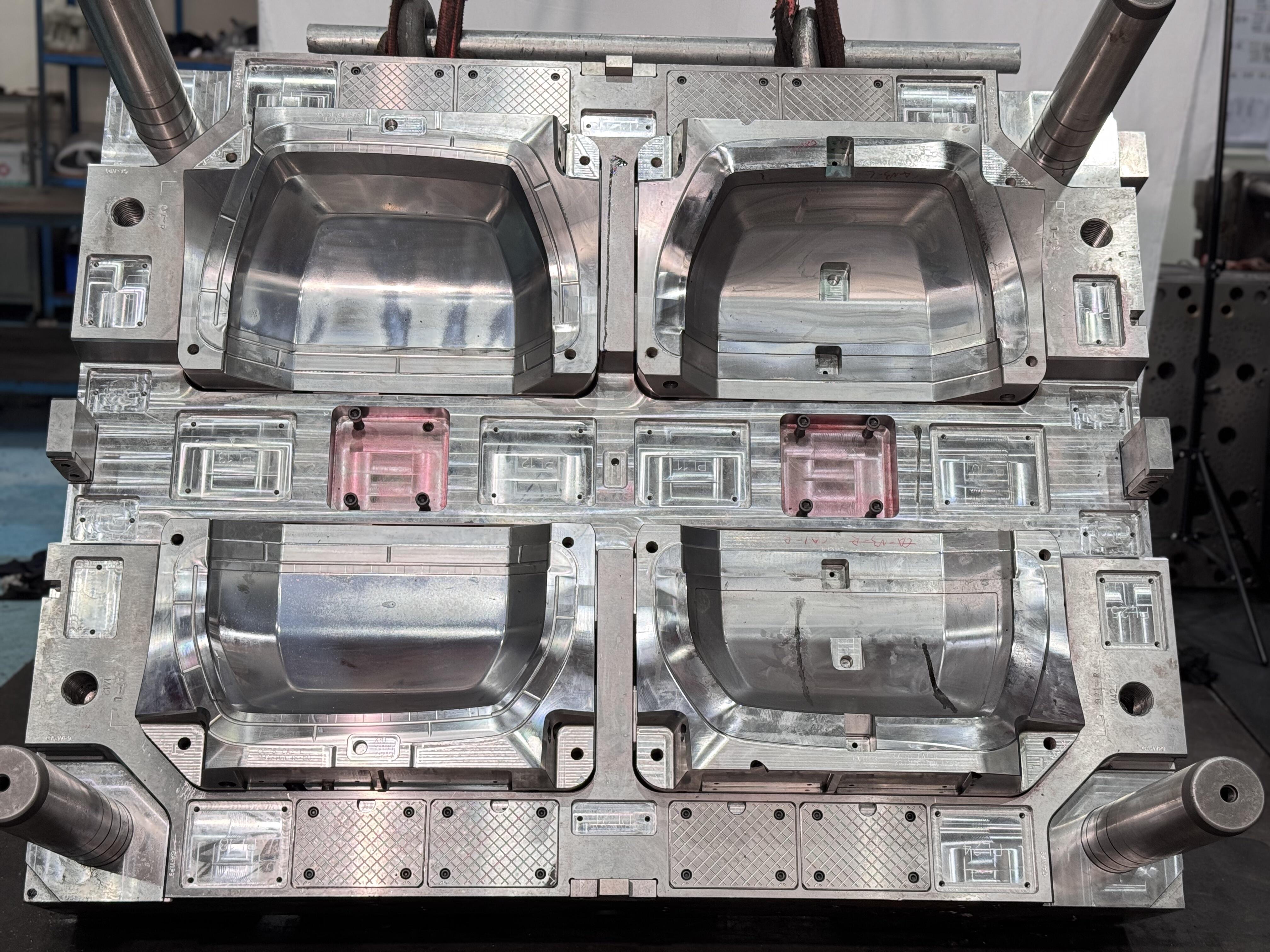
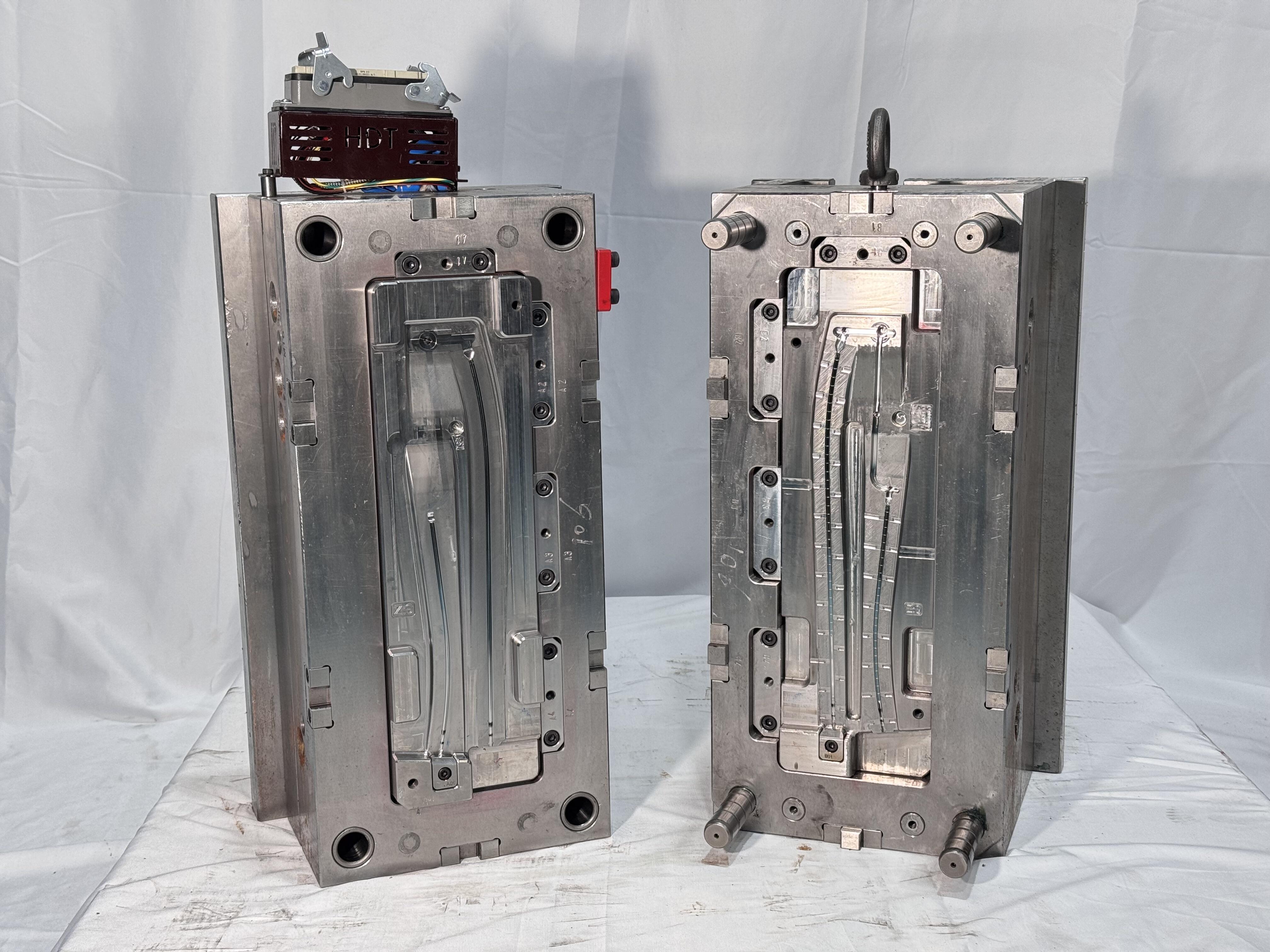
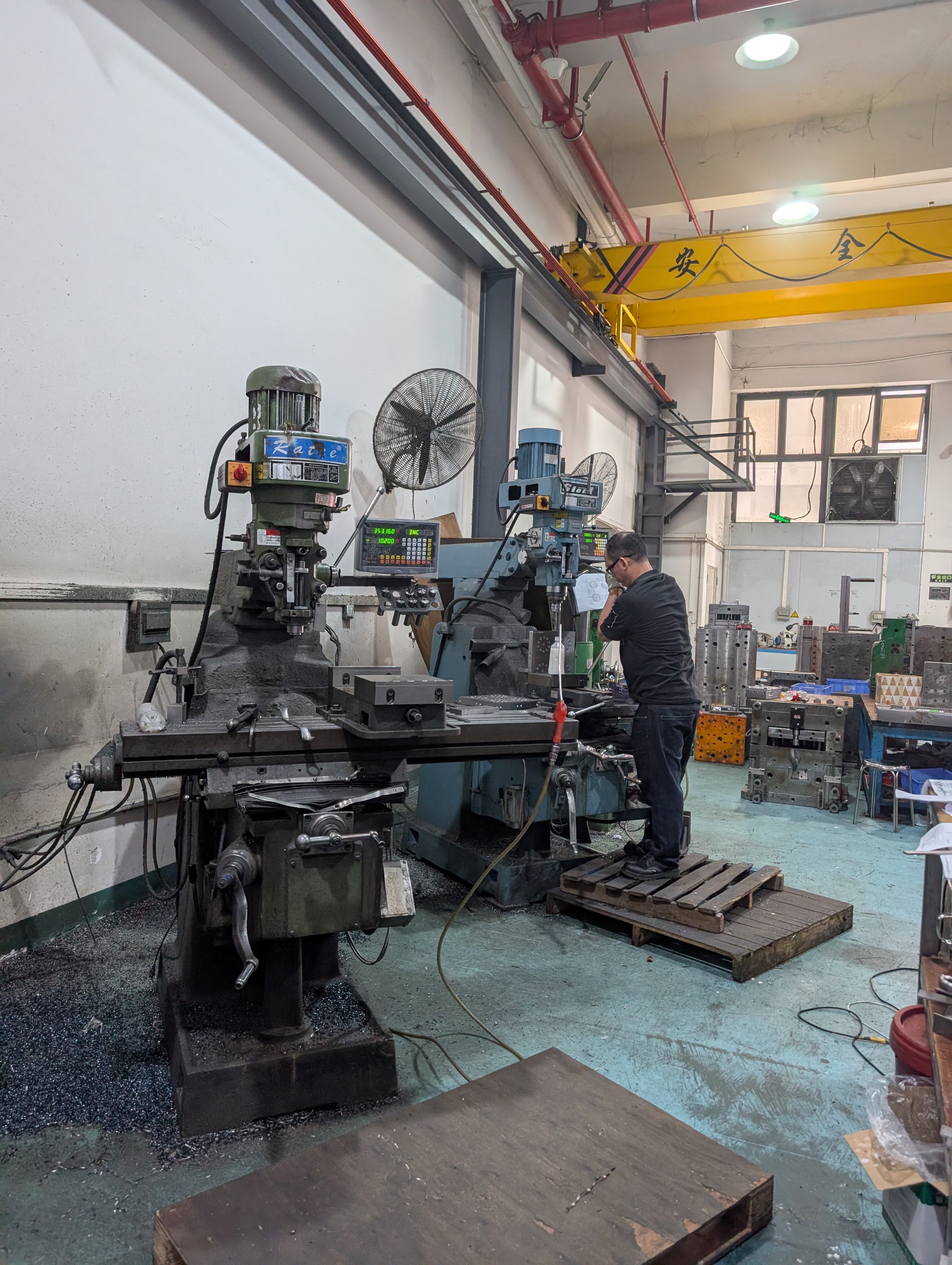
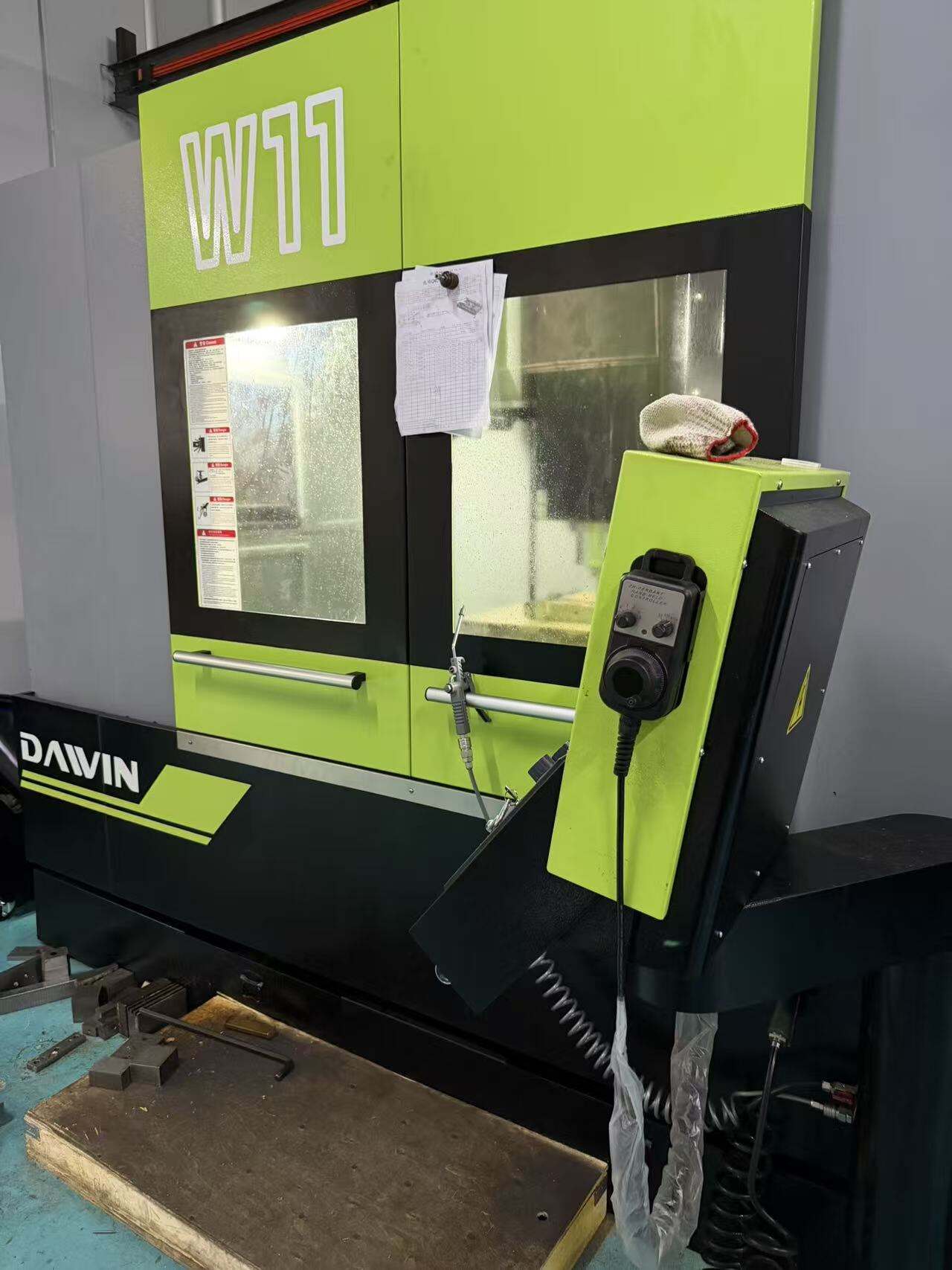
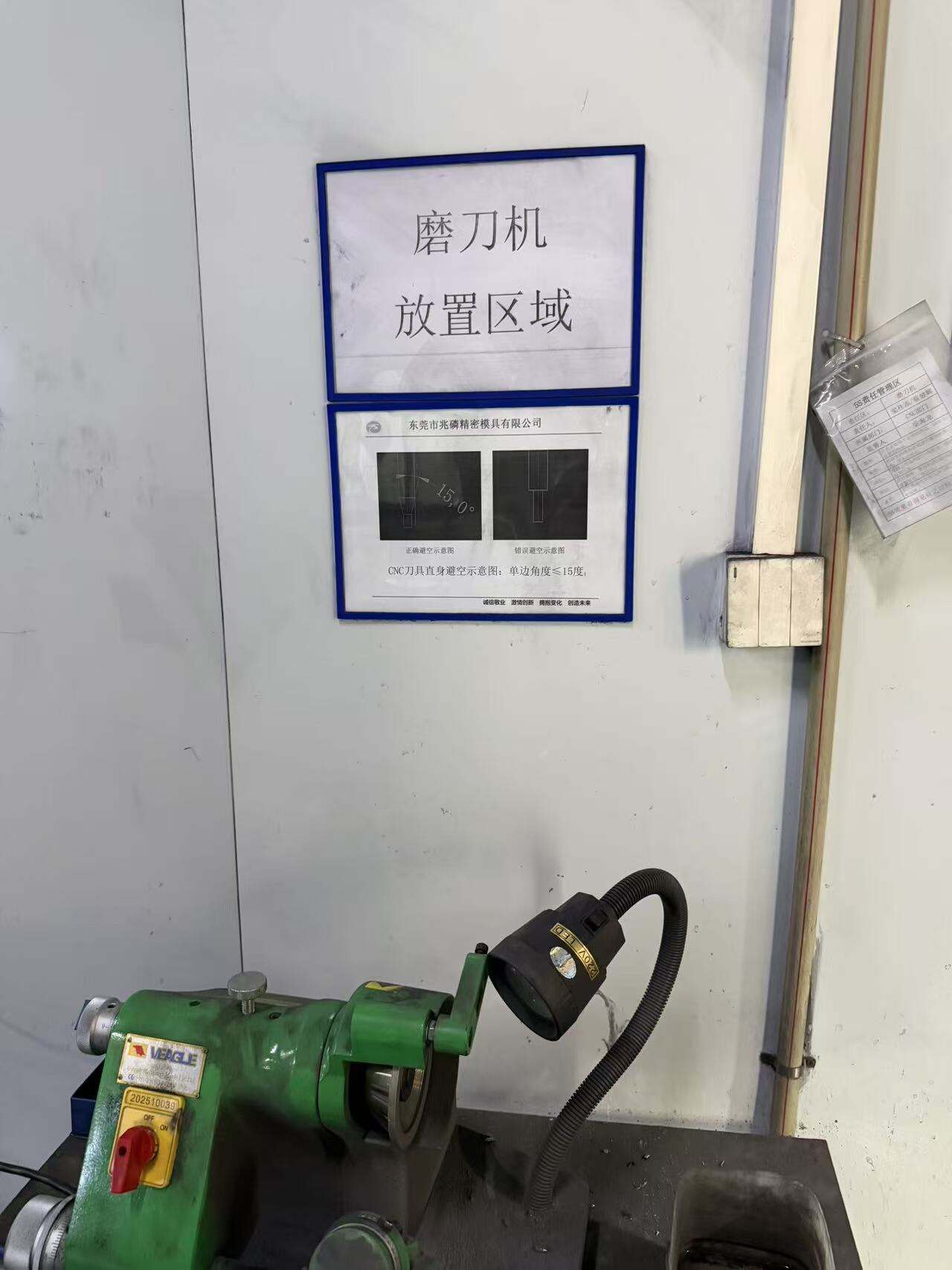
A plastic mold factory serves as a specialized manufacturing facility dedicated to designing, engineering, and producing precision molds used in plastic injection molding processes. These factories operate as essential partners for businesses across diverse industries, transforming raw concepts into tangible plastic components through advanced tooling solutions. The primary function of a plastic mold factory revolves around creating custom molds that shape molten plastic materials into specific forms, enabling mass production of consistent, high-quality plastic parts. Modern plastic mold factory operations integrate computer-aided design software, CNC machining centers, electrical discharge machining equipment, and precision grinding tools to achieve microscopic tolerances. The technological features distinguishing contemporary facilities include multi-axis machining capabilities, hot runner systems, automated quality inspection protocols, and rapid prototyping services. Engineers at these facilities collaborate directly with clients to optimize part designs for manufacturability, reducing production costs while enhancing product performance. Applications span virtually every sector imaginable, from automotive components like dashboards and bumpers to medical devices such as surgical instruments and diagnostic equipment housings. Consumer electronics manufacturers rely on plastic mold factory expertise for smartphone cases, computer peripherals, and appliance housings. The packaging industry depends on these facilities for bottles, containers, and caps. Toy manufacturers, construction suppliers, and aerospace companies all utilize services from plastic mold factory operations. The process begins with detailed consultations where engineers assess project requirements, material specifications, production volumes, and quality standards. Design teams then create three-dimensional mold models, conducting flow analysis simulations to predict how molten plastic will fill cavities. After client approval, skilled toolmakers machine mold components from hardened steel or aluminum alloys, assembling complex systems with cooling channels, ejector pins, and gating mechanisms. Trial runs validate mold performance before full-scale production authorization, ensuring every finished part meets exact specifications consistently across thousands or millions of cycles.

Popular Products

Choosing to partner with an established plastic mold factory delivers numerous practical benefits that directly impact your bottom line and product success. First, you gain access to specialized expertise accumulated through years of solving complex manufacturing challenges. Experienced engineers understand how to prevent common defects like warping, sink marks, and flash, saving you costly redesigns and delays. This knowledge translates into faster project completion times, helping you reach market ahead of competitors. Cost efficiency represents another significant advantage when working with a dedicated plastic mold factory. These facilities purchase raw materials in bulk quantities, negotiate favorable rates with suppliers, and maintain relationships that reduce your per-unit expenses. Their established workflows eliminate wasteful steps, and their quality control systems catch errors early before they multiply into expensive problems. You avoid the massive capital investment required to build in-house tooling capabilities, instead paying only for the molds and services you actually need. Scalability offers flexibility that growing businesses require, as a plastic mold factory can adjust production volumes based on your demand fluctuations without forcing you to maintain excess capacity during slow periods. When orders surge, they allocate additional machine time and personnel to meet deadlines. Quality consistency remains paramount, and professional facilities implement rigorous inspection procedures using coordinate measuring machines, optical comparators, and statistical process controls. Every part produced matches your specifications precisely, reducing customer complaints and warranty claims. Speed to market accelerates because plastic mold factory teams work on multiple project phases simultaneously, overlapping design refinement with material procurement and machine programming. Their project management systems keep you informed through regular updates and transparent communication channels. Technical support continues long after initial mold delivery, with maintenance services, modification capabilities, and troubleshooting assistance ensuring your production runs smoothly for years. Material versatility allows you to select from hundreds of plastic resins, each offering different properties like strength, flexibility, temperature resistance, or transparency. Factory engineers guide you toward optimal material choices that balance performance requirements with cost considerations. Environmental responsibility has become increasingly important, and modern plastic mold factory operations implement recycling programs, energy-efficient equipment, and sustainable practices that align with corporate social responsibility goals. Finally, risk mitigation occurs through professional liability insurance, quality guarantees, and proven track records that protect your investment and reputation.

Latest News

Why is custom injection molding preferred for complex product designs?

29

Apr

Why is custom injection molding preferred for complex product designs?

Complex product designs present unique challenges that demand manufacturing solutions capable of delivering precision, consistency, and scalability. Engineers and product developers consistently turn to custom injection molding when facing intricate ...
View More
What are the key advantages of custom plastic injection molding services?

29

Apr

What are the key advantages of custom plastic injection molding services?

Custom plastic injection molding has become the cornerstone of modern manufacturing across diverse industries, from automotive and medical devices to consumer electronics and industrial equipment. Understanding the key advantages of this versatile ma...
View More
How Does Mold Making Support Custom Product Development Projects?

27

May

How Does Mold Making Support Custom Product Development Projects?

When businesses set out to develop a new physical product, the path from concept to finished part is rarely straightforward. One of the most critical enabling technologies along that path is mold making. Whether a company is designing a consumer elec...
View More
How does plastic injection molding service optimize production timelines?

27

May

How does plastic injection molding service optimize production timelines?

In today's competitive manufacturing landscape, speed and precision are not optional — they are baseline expectations. A well-structured plastic injection molding service plays a central role in helping manufacturers, product developers, and OE...
View More

Get a Free Quote

Our representative will contact you soon.
0/1000
Advanced Precision Engineering Capabilities

Advanced Precision Engineering Capabilities

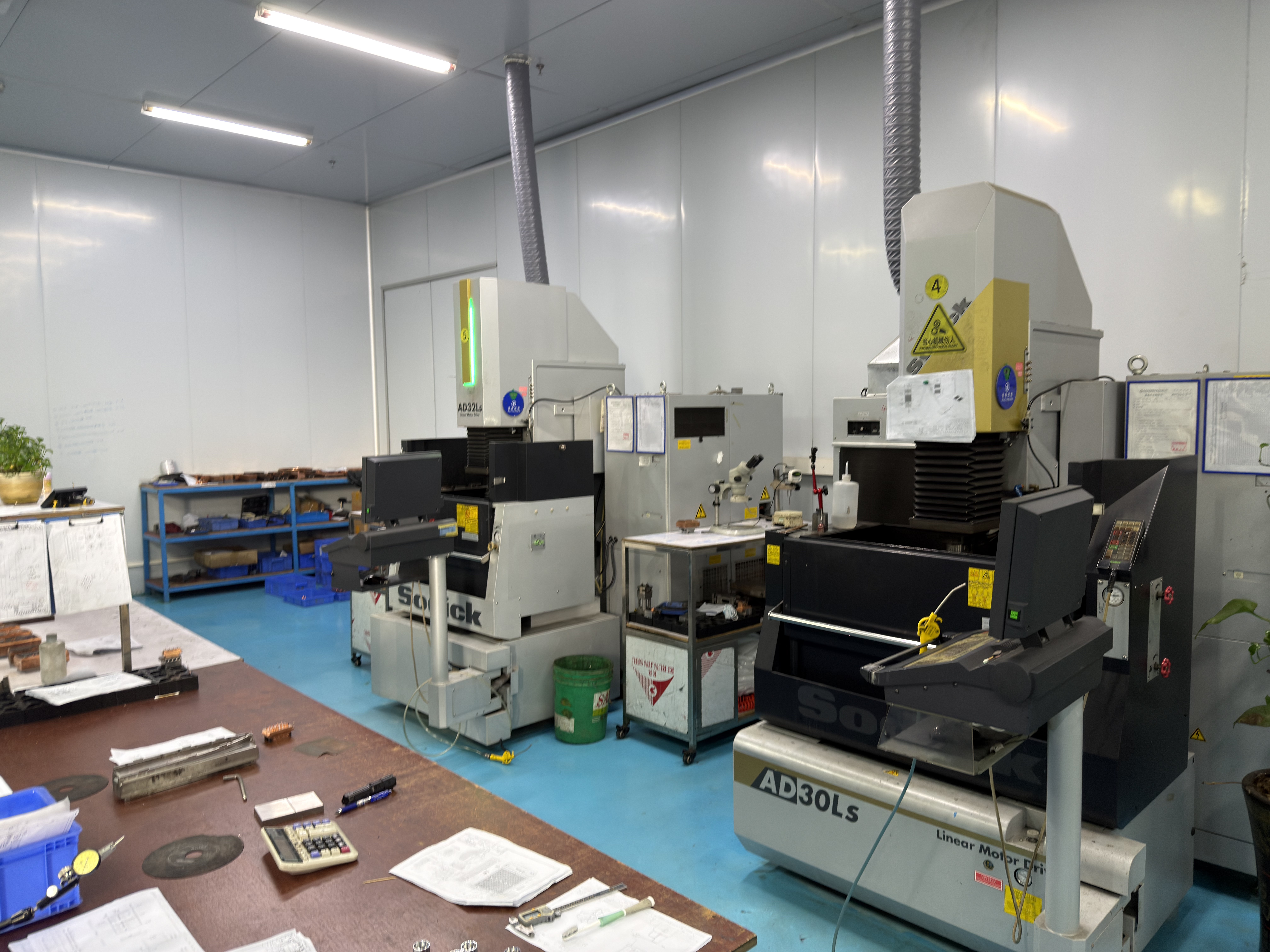
The advanced precision engineering capabilities found within a modern plastic mold factory represent the cornerstone of superior product development and manufacturing success. These facilities invest millions of dollars in state-of-the-art equipment that delivers tolerances measured in microns, ensuring every plastic component fits perfectly within assembly requirements. Computer numerical control machining centers form the backbone of precision operations, featuring five-axis simultaneous movement that allows toolmakers to create complex geometries impossible with conventional methods. These machines operate twenty-four hours daily, executing programmed toolpaths with repeatability that eliminates human error variability. Electrical discharge machining technology complements mechanical cutting by using controlled electrical sparks to erode hardened steel, creating intricate details like thin ribs, sharp corners, and deep cavities that traditional cutting tools cannot reach. Wire EDM systems thread microscopic wires through workpieces, producing slots and contours with mirror-smooth finishes requiring no secondary polishing. The plastic mold factory precision extends to surface treatments, where skilled technicians apply texture patterns ranging from high-gloss polishes to complex grain structures that replicate leather, wood, or geometric designs. These cosmetic finishes enhance product aesthetics while serving functional purposes like improving grip or hiding minor surface imperfections. Coordinate measuring machines verify dimensional accuracy by probing hundreds of points across mold surfaces, generating detailed inspection reports that document compliance with engineering specifications. Optical comparators magnify mold features three hundred times, revealing microscopic flaws invisible to naked eyes. Temperature control systems maintain climate-regulated environments where thermal expansion cannot compromise measurement accuracy. Quality assurance protocols require multiple verification stages, beginning with incoming material certifications and continuing through every machining operation until final assembly validation. Mold flow analysis software simulates plastic injection processes virtually, predicting potential issues like air traps, weld lines, or incomplete filling before physical molds are manufactured. Engineers adjust gate locations, runner dimensions, and cooling channel configurations based on simulation results, optimizing designs for flawless production. This computational approach reduces expensive trial-and-error iterations, compressing development timelines while improving first-article success rates. The precision mindset permeates every aspect of plastic mold factory operations, from calibrated measuring instruments to standardized work procedures that eliminate guesswork and inconsistency.
Comprehensive Custom Design Services

Comprehensive Custom Design Services

Comprehensive custom design services distinguish exceptional plastic mold factory partners from basic toolmaking shops, providing end-to-end support that transforms initial concepts into market-ready products. This collaborative approach begins with detailed discovery sessions where experienced designers interview clients about functional requirements, aesthetic preferences, target markets, and competitive positioning. Rather than simply executing provided drawings, proactive plastic mold factory teams challenge assumptions, suggest improvements, and contribute innovative solutions drawn from cross-industry experience. Design for manufacturability reviews identify potential production obstacles early, recommending modifications that reduce costs without compromising performance or appearance. Engineers analyze wall thickness consistency, draft angles for part ejection, undercut elimination strategies, and parting line placement to optimize both mold construction and part quality. These consultative relationships save clients from expensive mistakes that inexperienced designers commonly make, such as specifying impossible tolerances or creating geometries that trap air bubbles. Prototyping services allow clients to physically evaluate designs before committing to expensive production tooling, using rapid methods like three-dimensional printing or soft aluminum molds to produce functional samples within days. Iterative testing reveals how parts perform under real-world conditions, informing design refinements that enhance strength, fit, or usability. Material selection guidance helps clients navigate hundreds of available plastic resins, each offering distinct characteristics regarding impact resistance, chemical compatibility, temperature performance, UV stability, and regulatory compliance. A knowledgeable plastic mold factory advisor explains trade-offs between engineering thermoplastics and commodity resins, recommending cost-effective options that meet technical requirements without unnecessary over-specification. Color matching services ensure finished parts precisely replicate corporate branding standards or blend seamlessly with existing product families. Documentation packages include detailed engineering drawings, material specifications, quality control plans, and maintenance schedules that facilitate smooth production launches and ongoing manufacturing success. Intellectual property protection measures safeguard proprietary designs through confidentiality agreements and secure data management systems. Some plastic mold factory providers offer value-added services like product assembly, secondary operations such as pad printing or ultrasonic welding, and logistics coordination that delivers finished goods directly to end customers or retail distribution centers. This turnkey approach simplifies supply chain management, reducing administrative burden while ensuring seamless coordination across multiple manufacturing processes. Long-term partnerships develop as the plastic mold factory becomes an extension of internal product development teams, participating in strategic planning discussions and contributing technical expertise that drives innovation and competitive advantage.

High-Volume Production Efficiency

High-Volume Production Efficiency

High-volume production efficiency capabilities enable a plastic mold factory to deliver millions of consistent parts economically, making mass production feasible for businesses across all industries. Automated injection molding machines cycle continuously, injecting precisely measured amounts of molten plastic into mold cavities under controlled pressure and temperature conditions. Cycle times ranging from fifteen seconds to two minutes allow single machines to produce thousands of parts daily, with lights-out manufacturing extending production into unmanned overnight shifts. Multi-cavity molds multiply output exponentially by forming multiple identical parts during each cycle, with some configurations featuring sixty-four or more cavities that transform single shots into massive quantities. Robotic automation removes finished parts immediately upon mold opening, placing them onto conveyor systems that transport components to packaging stations without human handling that could introduce contamination or damage. Vision inspection systems photograph every part at high resolution, comparing images against master samples to detect defects like short shots, flash, or discoloration that indicate process deviations. Rejected parts are automatically diverted into scrap bins while acceptable components continue toward shipping preparation. Statistical process control software monitors critical parameters continuously, tracking cavity-by-cavity variations that reveal wear patterns or maintenance requirements before they cause quality failures. Predictive maintenance programs schedule servicing based on actual machine usage rather than arbitrary calendar intervals, minimizing unexpected downtime while extending equipment lifespan. The plastic mold factory efficiency extends beyond machine operation to encompass material handling systems that automatically dry hygroscopic resins, blend color concentrates, and reclaim runners for recycling. Central material distribution networks pipe plastic pellets from storage silos directly to machine hoppers, eliminating manual material transfers and reducing contamination risks. Hot runner technology keeps plastic molten within mold distribution channels, eliminating solidified runners that require separation and recycling, reducing material waste while shortening cycle times. Energy recovery systems capture heat from cooling processes, redirecting thermal energy to preheat incoming materials or warm facility spaces during cold months. Lean manufacturing principles organize production floors for optimal workflow, positioning related equipment adjacently and implementing visual management systems that instantly communicate status conditions. Changeover procedures enable rapid transitions between different part numbers, swapping molds and adjusting machine parameters within hours rather than days. This flexibility allows the plastic mold factory to accommodate mixed production schedules that balance large orders with smaller specialty runs. Inventory management integration connects production systems with customer ordering platforms, automatically scheduling manufacturing based on real-time demand signals that prevent overproduction while ensuring timely deliveries. The cumulative effect of these efficiency measures translates into lower per-unit costs that make plastic components affordable for price-sensitive markets while delivering profit margins that sustain business growth and continued investment in capability improvements.