Superior Design Flexibility and Functional Integration
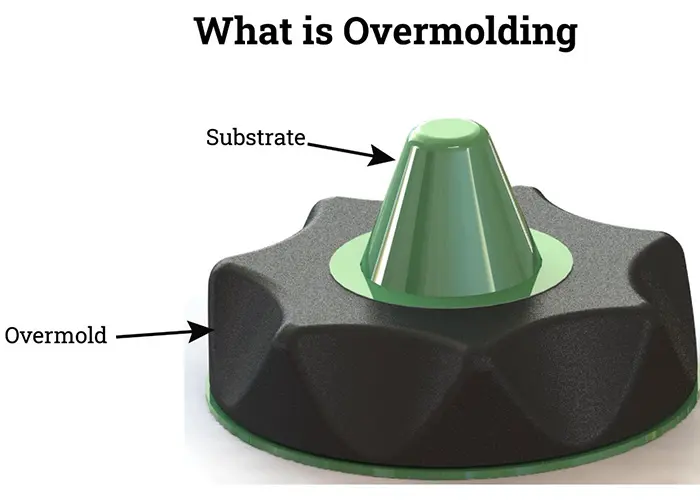
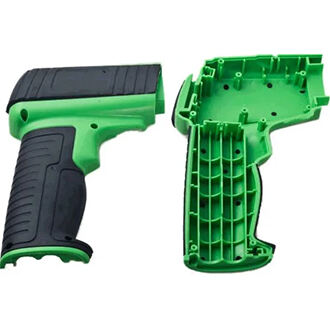
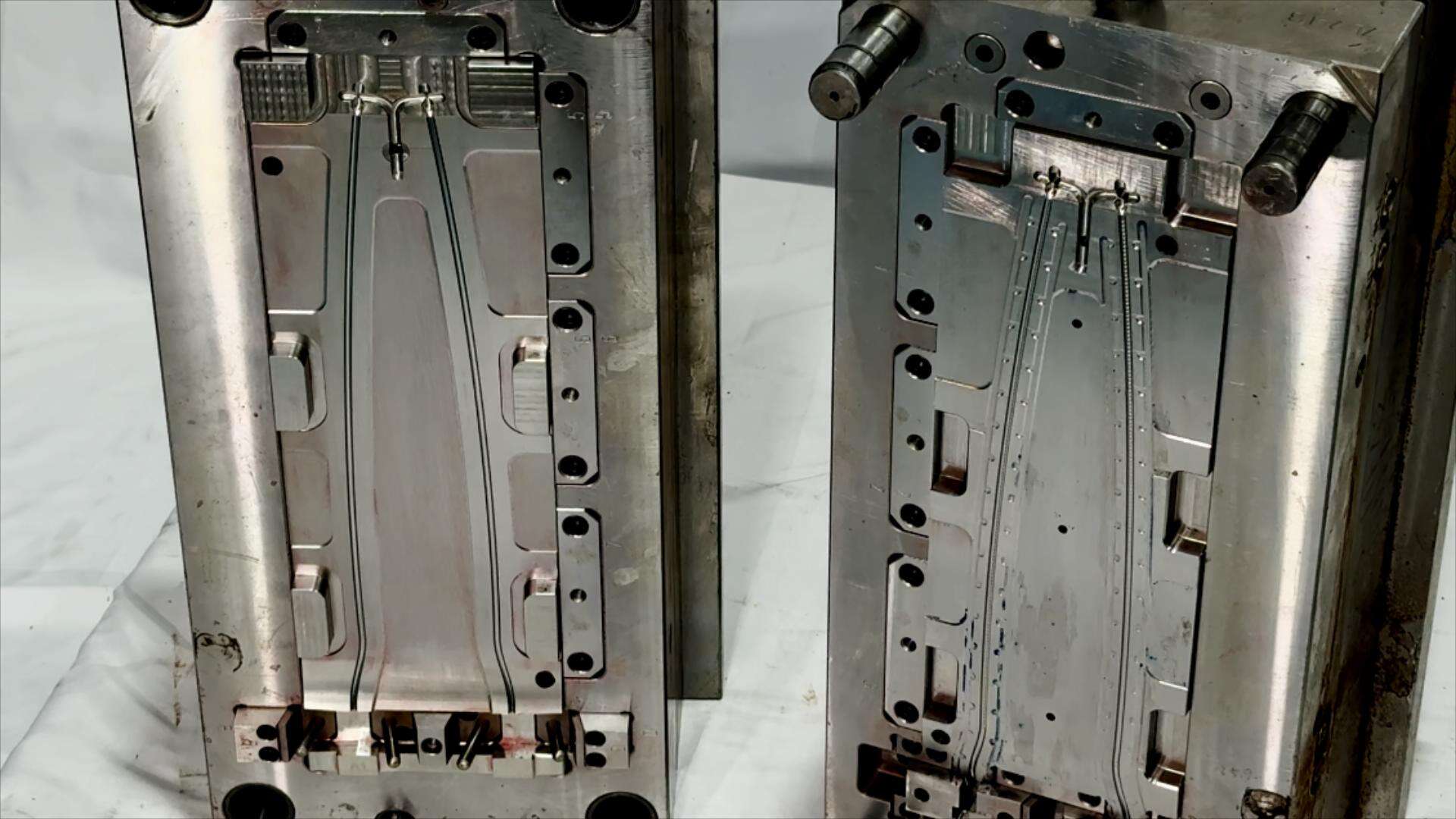
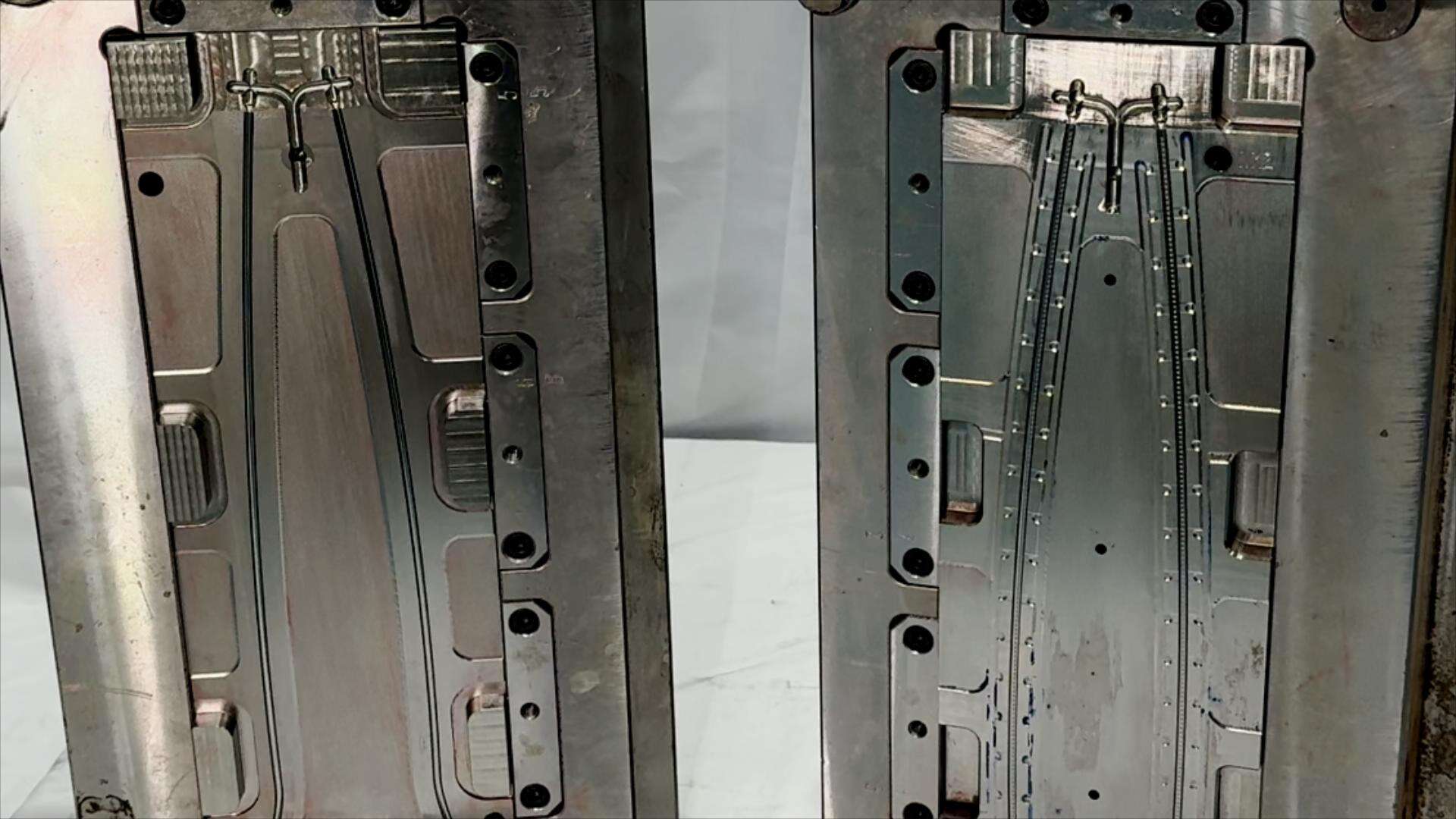
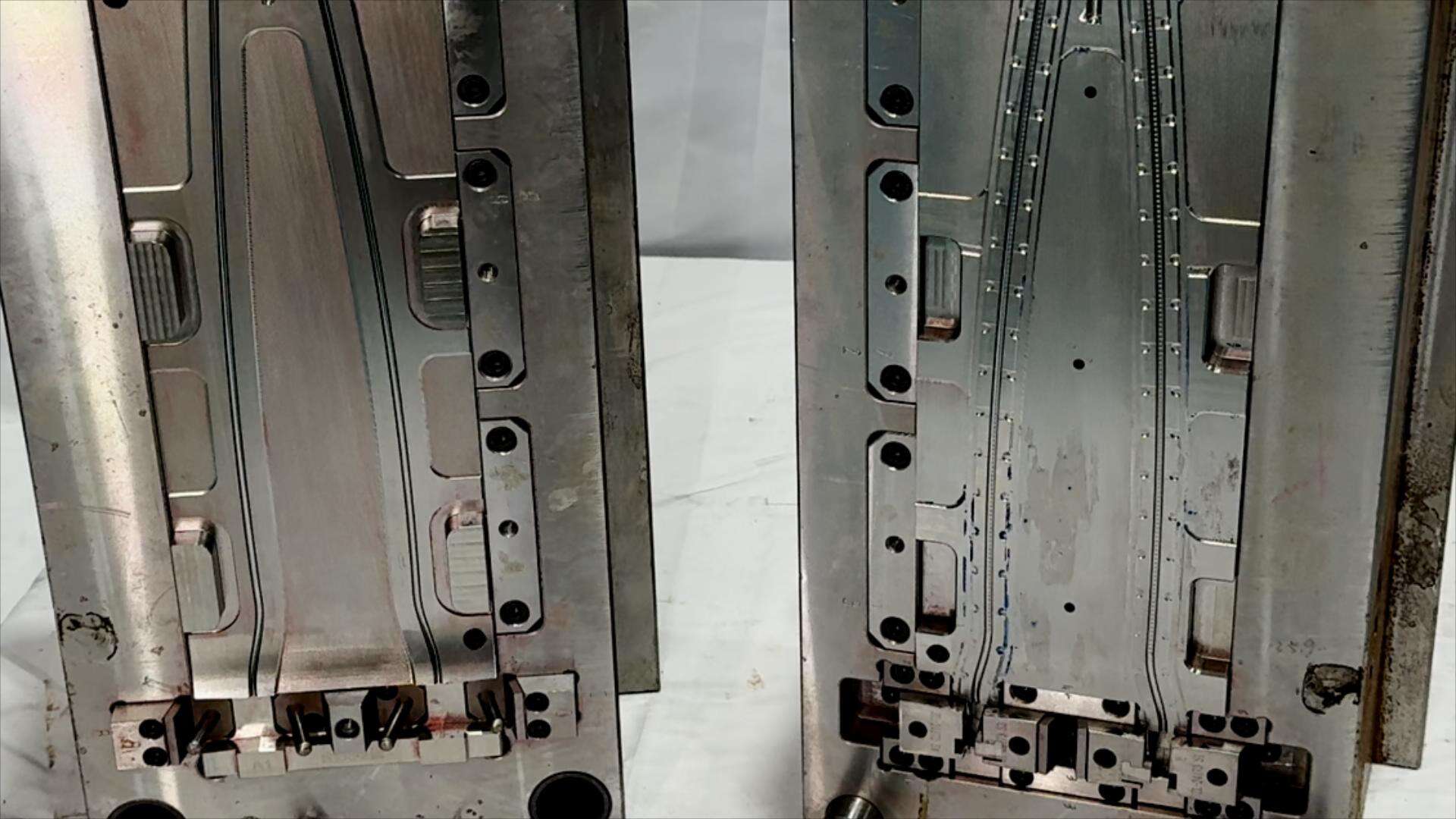
Plastic molding unlocks extraordinary creative possibilities that empower product designers to realize innovative concepts while simultaneously reducing assembly complexity through intelligent feature integration. The fluid nature of molten plastic allows it to flow into intricate mold cavities, capturing fine details, sharp corners, and complex three-dimensional geometries that would challenge or defeat other manufacturing processes. Designers can specify wall thickness variations throughout a single part, creating reinforcement ribs in stressed areas while maintaining thin, lightweight sections where structural demands are minimal. This strategic material placement optimizes strength-to-weight ratios, reducing product mass and shipping costs without compromising performance or durability. Undercut features, which typically require special tooling considerations, can be incorporated using slide mechanisms or collapsible cores, enabling snap-fit assemblies that eliminate fasteners and reduce part counts. Textured surfaces applied directly to mold cavities transfer onto molded parts, providing aesthetic appeal, improved grip, or reduced visible imperfections without secondary finishing operations. Color integration through pre-colored resins or multi-shot molding eliminates painting requirements, reducing volatile organic compound emissions while ensuring colorfast products that resist fading and wear. Living hinges, thin flexible sections that connect rigid plastic areas, can be molded integrally, creating single-piece designs for containers, closures, and articulating components that simplify inventory and assembly. Insert molding capabilities allow metal threads, electrical contacts, or reinforcing elements to be positioned in the mold before plastic injection, creating hybrid components that combine material advantages in a single manufacturing step. Overmolding techniques add soft-touch grips, seals, or cushioning to rigid substrates, enhancing user comfort and product functionality through deliberate multi-material construction. This design freedom extends to internal features like channels for fluid flow, wire routing passages, and mounting bosses positioned exactly where needed, eliminating drilling, tapping, and other post-molding operations. The ability to consolidate what might otherwise require multiple fabricated and assembled components into single molded pieces reduces manufacturing complexity, lowers inventory requirements, decreases assembly labor, and minimizes potential failure points in the final product.


 EN
EN