Medical Plastic Mold Solutions: Precision Manufacturing for Healthcare Excellence

application/medical-plastic-mold, application/medical-plastic-mold, 
Get a Quote
Get a Quote

medical plastic mold

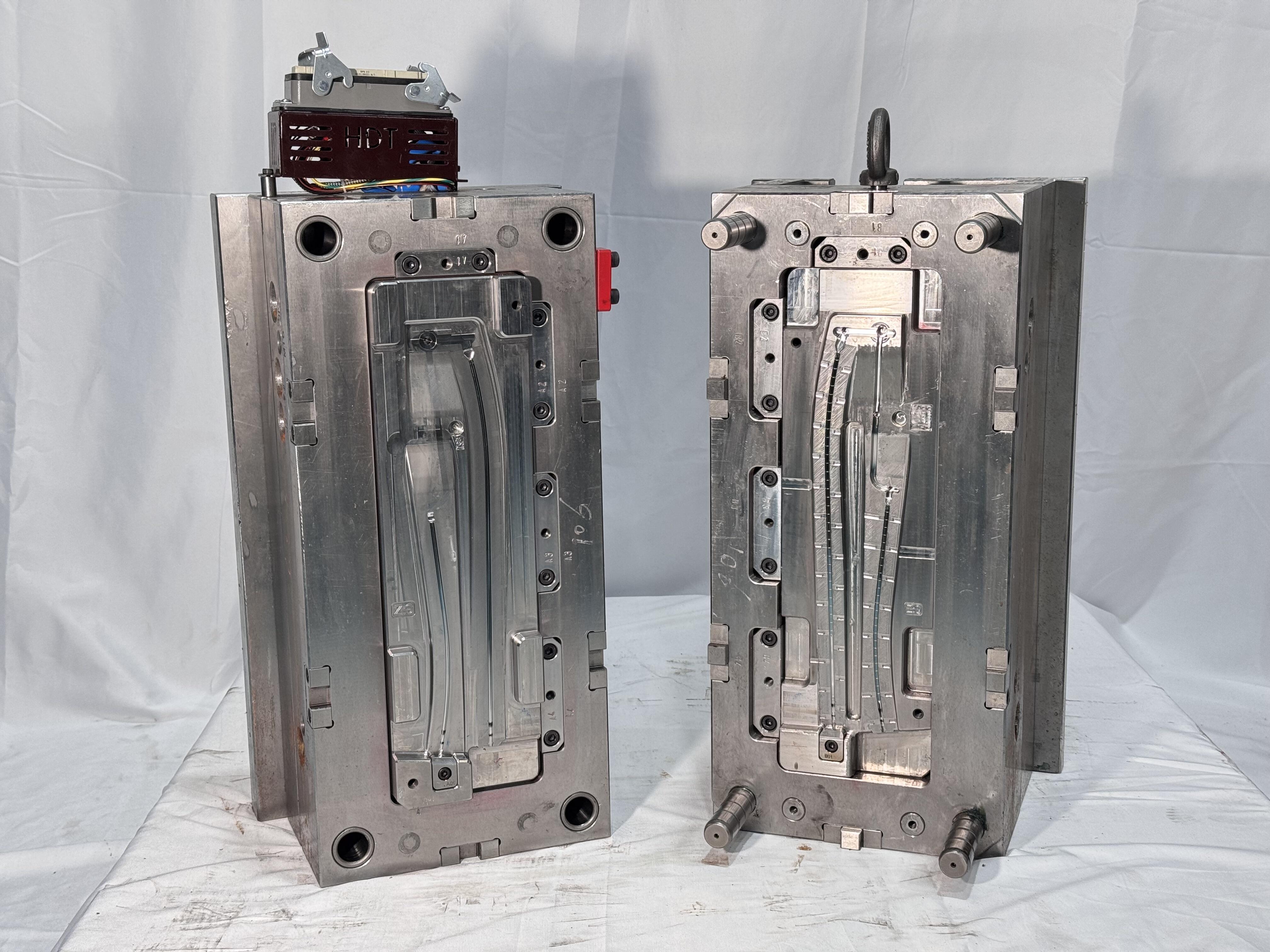
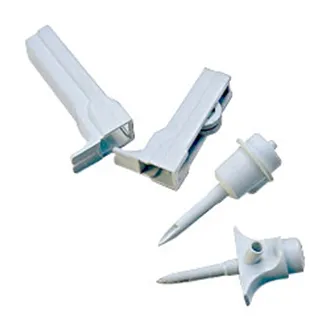
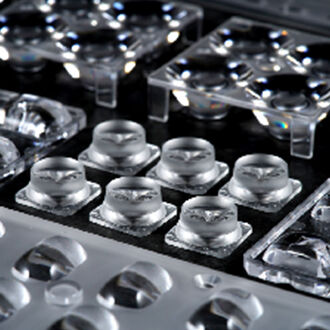
Medical plastic mold represents a specialized manufacturing tool designed specifically for producing precise plastic components used in healthcare and medical device industries. These molds serve as the foundation for creating sterile, reliable, and safe medical products that meet stringent regulatory standards. The primary function of a medical plastic mold involves shaping thermoplastic materials into exact specifications required for medical applications, ranging from simple disposable items to complex diagnostic equipment housings. These molds utilize advanced engineering principles to ensure every manufactured piece maintains dimensional accuracy, surface finish quality, and material integrity essential for medical use. The technological features of medical plastic mold include precision machining capabilities that achieve tolerances within microns, specialized cooling systems that control material crystallization, and surface treatments that prevent contamination. Many medical plastic molds incorporate hot runner systems to minimize material waste and eliminate gate marks on finished products, which is crucial for maintaining sterility and aesthetic quality. The construction typically involves high-grade tool steels or aluminum alloys that withstand repeated injection cycles while maintaining dimensional stability. Advanced molds may feature multi-cavity designs that increase production efficiency without compromising quality consistency across all cavities. Applications for medical plastic mold span numerous healthcare sectors, including surgical instruments, diagnostic equipment, drug delivery systems, laboratory consumables, and patient care devices. These molds produce items such as syringe components, IV connectors, blood collection tubes, specimen containers, inhaler parts, and prosthetic components. The versatility of medical plastic mold technology allows manufacturers to work with various biocompatible materials including polypropylene, polyethylene, polycarbonate, and specialized medical-grade resins. Each application demands specific mold characteristics to address unique functional requirements, sterilization methods, and regulatory compliance standards that govern medical device manufacturing worldwide.

New Product Recommendations

Choosing medical plastic mold technology delivers substantial practical benefits that directly impact manufacturing efficiency and product quality. First and foremost, these specialized molds enable mass production of consistent, reliable medical components at significantly lower costs compared to alternative manufacturing methods. Once the initial mold investment is made, the per-unit production cost decreases dramatically, making it economically viable to produce large quantities of medical devices and components. This cost efficiency translates directly to more affordable healthcare products for end users and improved profit margins for manufacturers. The precision offered by medical plastic mold technology ensures that every produced item meets exact specifications without variation, which is absolutely critical in medical applications where dimensional accuracy can affect device functionality and patient safety. This consistency eliminates the quality concerns associated with manual production methods and reduces rejection rates to minimal levels. Speed represents another significant advantage, as modern medical plastic molds can produce hundreds or even thousands of parts per hour depending on component complexity and size. This rapid production capability helps manufacturers meet demanding market requirements and respond quickly to healthcare needs, especially during urgent situations requiring increased supply of medical equipment. The flexibility inherent in medical plastic mold design allows manufacturers to create complex geometries and intricate details that would be difficult or impossible to achieve through other manufacturing processes. Undercuts, threads, textured surfaces, and integrated features can all be molded directly into parts, eliminating secondary operations that add time and expense. Material efficiency stands out as a key benefit, particularly with hot runner mold systems that minimize waste by eliminating sprues and runners. This efficiency reduces material costs and supports environmental sustainability goals increasingly important to healthcare organizations. Medical plastic molds also accommodate a wide range of biocompatible and sterilizable materials, giving manufacturers freedom to select the optimal material for each specific application based on chemical resistance, strength, flexibility, and regulatory requirements. The durability of properly maintained medical plastic molds means they can produce millions of parts over their lifetime, providing excellent return on investment and ensuring supply chain stability. Finally, these molds support cleanroom manufacturing environments essential for medical device production, as the automated injection molding process minimizes human contact with products, reducing contamination risks and helping manufacturers maintain the stringent hygiene standards required by regulatory bodies worldwide.

Practical Tips

What are the key advantages of custom plastic injection molding services?

29

Apr

What are the key advantages of custom plastic injection molding services?

Custom plastic injection molding has become the cornerstone of modern manufacturing across diverse industries, from automotive and medical devices to consumer electronics and industrial equipment. Understanding the key advantages of this versatile ma...
View More
What industries benefit most from professional injection molding companies?

08

May

What industries benefit most from professional injection molding companies?

Manufacturing precision parts at scale requires specialized capabilities that only experienced injection molding companies can deliver. Across global industries, businesses rely on these partnerships to transform raw polymer materials into complex co...
View More
Why do manufacturers rely on plastic moulding for scalable production?

27

May

Why do manufacturers rely on plastic moulding for scalable production?

Manufacturers across industries face a persistent challenge: how to scale production efficiently while maintaining product quality, controlling costs, and meeting rapidly changing market demands. The answer increasingly lies in plastic moulding, a ma...
View More
How does plastic injection molding service optimize production timelines?

27

May

How does plastic injection molding service optimize production timelines?

In today's competitive manufacturing landscape, speed and precision are not optional — they are baseline expectations. A well-structured plastic injection molding service plays a central role in helping manufacturers, product developers, and OE...
View More

Get a Free Quote

Our representative will contact you soon.
0/1000
Uncompromising Precision for Critical Medical Applications

Uncompromising Precision for Critical Medical Applications

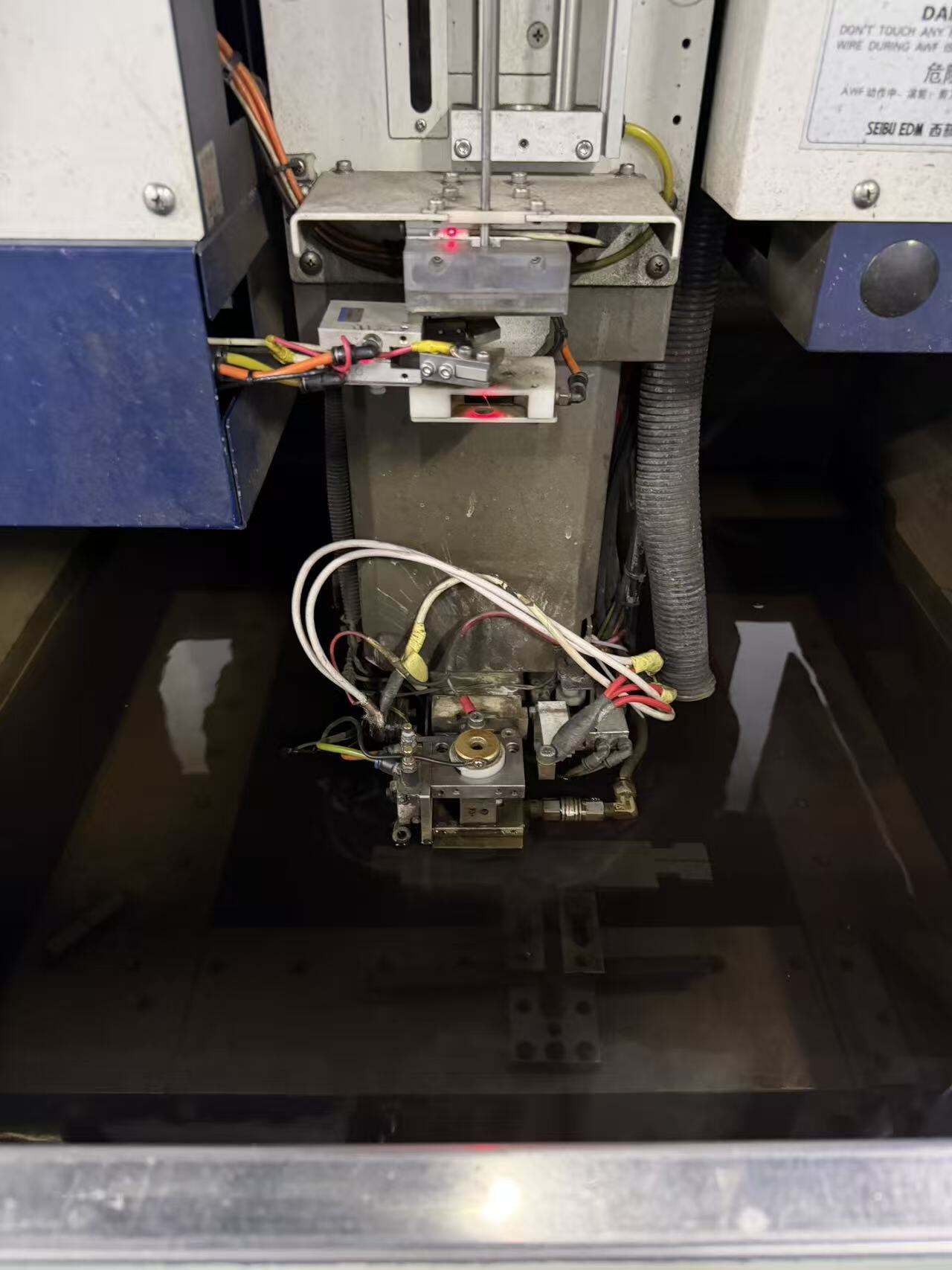
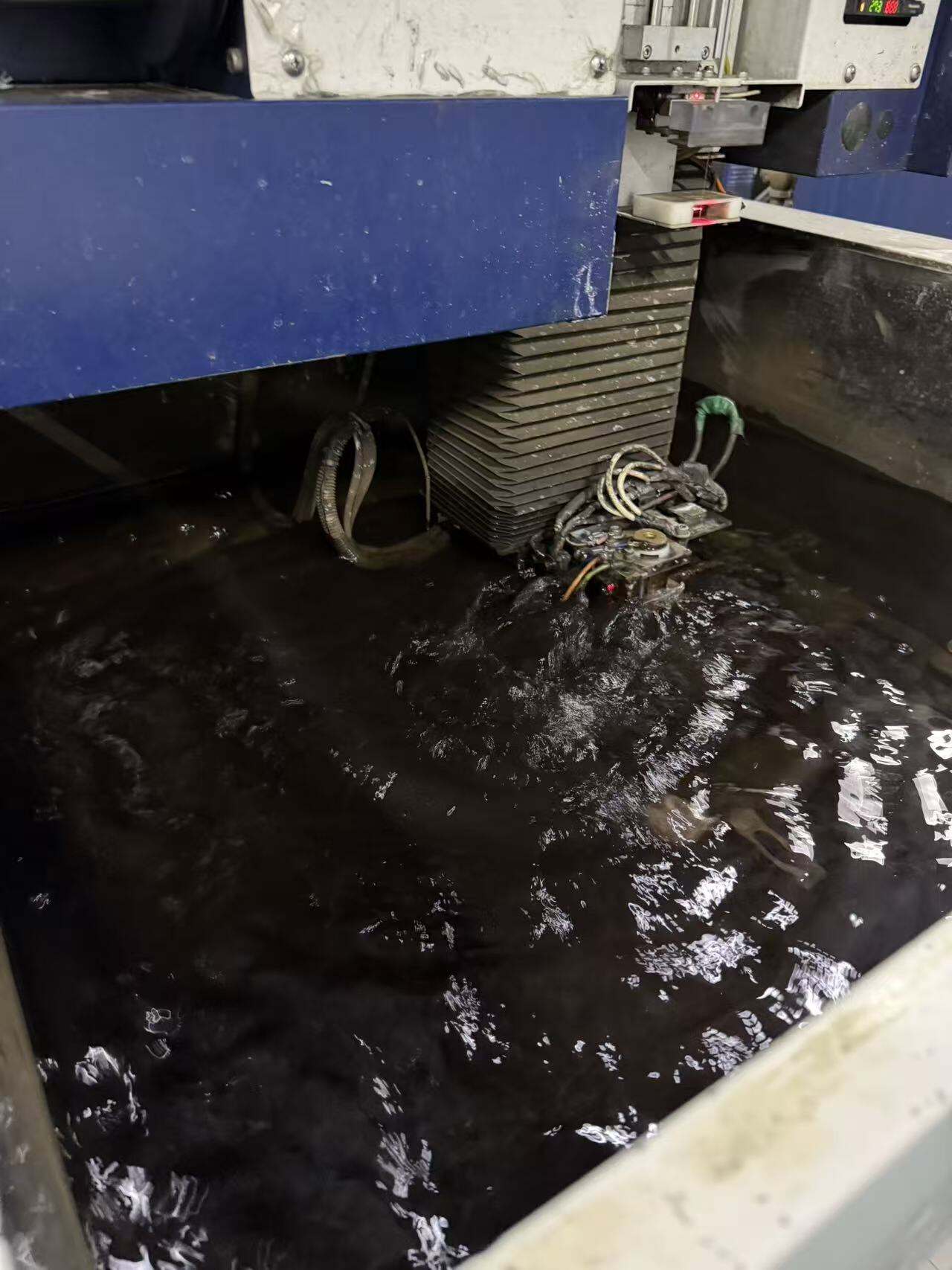
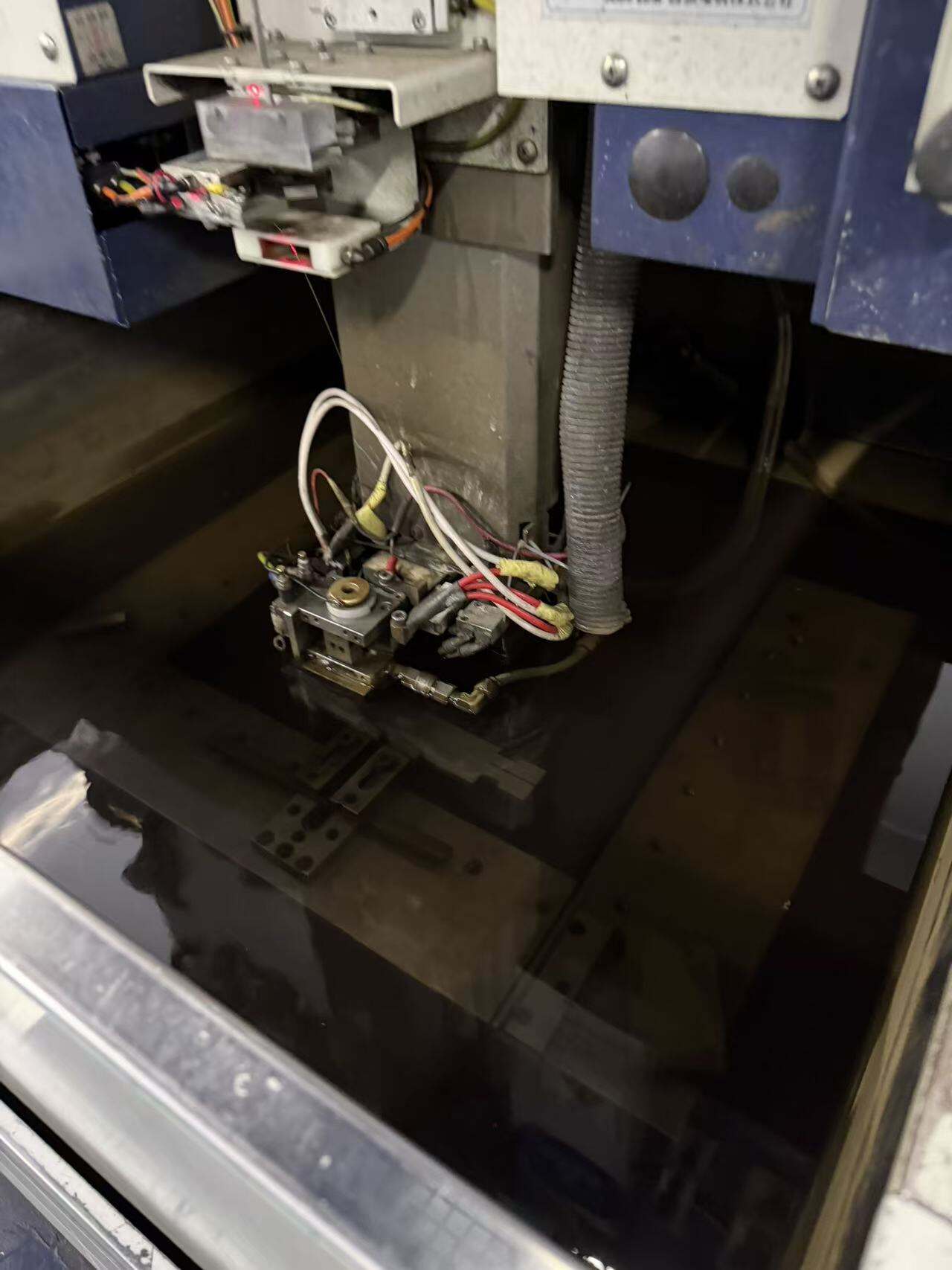
Medical plastic mold technology stands apart from conventional molding solutions through its extraordinary precision engineering that addresses the exacting demands of healthcare applications. Every dimension, surface finish, and material characteristic must fall within extremely tight tolerances because medical devices directly impact patient outcomes and safety. The precision capabilities of medical plastic mold systems typically achieve dimensional accuracies within plus or minus 0.001 inches, and in some specialized applications, tolerances can reach even tighter specifications. This level of accuracy ensures that components fit together perfectly, seals maintain integrity, and mechanical functions operate reliably throughout the product lifecycle. The importance of this precision becomes evident when considering applications such as syringe barrels that must maintain exact internal diameters to deliver accurate medication dosages, or IV connector components that must seal perfectly to prevent contamination and fluid leakage. Manufacturing processes that lack this precision create safety risks and regulatory compliance failures that can result in product recalls, legal liability, and damage to brand reputation. Medical plastic molds achieve this precision through multiple technological approaches, beginning with computer-aided design systems that model every mold feature in three dimensions before any metal is cut. Advanced CNC machining centers then transform these digital designs into physical reality, using multiple-axis cutting operations that produce complex geometries with exceptional accuracy. Wire EDM technology creates intricate details and sharp corners that traditional machining cannot achieve, while surface grinding and polishing operations deliver the mirror-like finishes often required for medical components. Temperature control systems integrated throughout the mold maintain thermal stability during injection cycles, preventing the dimensional variations that would occur if different mold sections expanded at different rates. Precision extends beyond the mold itself to the complete injection molding system, including pressure sensors, flow control valves, and positioning mechanisms that ensure plastic material fills the mold cavity consistently with every cycle. Quality assurance processes verify that manufactured parts meet specifications through coordinate measuring machines, optical comparators, and specialized testing equipment. The value this precision brings to customers manifests in multiple ways: reduced product liability exposure, faster regulatory approval processes, lower rejection rates, improved device performance, and enhanced patient safety. Manufacturers investing in precision medical plastic molds position themselves as quality leaders in competitive healthcare markets where reputation and reliability determine long-term success.
Comprehensive Material Compatibility for Diverse Healthcare Needs

Comprehensive Material Compatibility for Diverse Healthcare Needs

The exceptional material compatibility of medical plastic mold systems provides manufacturers with unparalleled flexibility to select the optimal plastic resin for each specific healthcare application. Medical devices and components require materials that satisfy complex requirements including biocompatibility, sterilization resistance, chemical stability, mechanical strength, and regulatory compliance. Medical plastic molds accommodate this diversity by supporting virtually all thermoplastic materials approved for medical use, from commodity resins to specialized engineering polymers developed exclusively for healthcare applications. Polypropylene represents one of the most commonly molded medical materials due to its excellent chemical resistance, autoclave sterilization capability, and cost-effectiveness, making it ideal for items like specimen containers, petri dishes, and disposable surgical instruments. Polyethylene in various densities serves applications requiring flexibility and toughness, such as squeeze bottles, tubing, and packaging films. Polycarbonate offers exceptional impact resistance and transparency, making it the preferred choice for components like blood oxygenator housings, IV solution containers, and protective equipment that must withstand physical stress while allowing visual inspection. Medical-grade ABS provides good dimensional stability and surface finish for equipment housings and handles that require both durability and aesthetic appeal. Specialized materials like PEEK, a high-performance engineering thermoplastic, enable applications in surgical instruments and implantable devices where extreme strength, heat resistance, and long-term biocompatibility are essential. The mold design and processing parameters must be carefully optimized for each material because different resins exhibit distinct flow characteristics, shrinkage rates, crystallization behaviors, and thermal properties. Medical plastic molds incorporate adjustable heating and cooling systems that can be tuned to accommodate materials with processing temperatures ranging from relatively low temperatures for polyethylene to significantly higher temperatures required for polycarbonate and specialty polymers. Venting systems prevent air traps and incomplete filling issues that vary by material viscosity. Surface treatments on mold cavities can be specified based on whether the plastic material tends to stick or release easily from steel surfaces. This material versatility delivers tremendous value to medical device manufacturers by enabling them to optimize product performance rather than compromising design to accommodate manufacturing limitations. A single well-designed medical plastic mold can often process multiple materials with appropriate parameter adjustments, providing strategic flexibility as product requirements evolve or material regulations change. Manufacturers can respond to market demands for specific material properties, address supply chain considerations by switching between equivalent materials, and develop product variants targeting different market segments without investing in completely new tooling. The compatibility extends to materials incorporating additives such as antimicrobial agents, colorants for product identification, radiopaque compounds for X-ray visibility, or reinforcing fibers for enhanced mechanical properties, further expanding the application possibilities and competitive advantages available through medical plastic mold technology.

Stringent Cleanroom Compatibility and Contamination Control

Stringent Cleanroom Compatibility and Contamination Control

Medical plastic mold systems deliver critical advantages in maintaining the contamination-free manufacturing environments absolutely essential for producing safe medical devices and healthcare products. The healthcare industry imposes strict requirements regarding particulate contamination, microbial presence, and surface cleanliness that far exceed standards in other manufacturing sectors. Medical plastic molds support these requirements through design features and operational characteristics specifically engineered for cleanroom compatibility and contamination prevention. The automated nature of injection molding inherently reduces contamination risks by minimizing human contact with molded components during the production process. Once mold setup is complete and process parameters are validated, parts are produced, ejected, and often packaged with minimal manual handling, creating a controlled pathway from raw material to finished product that limits exposure to environmental contaminants. The enclosed nature of the injection molding process itself provides protection, as plastic material is melted and injected into sealed mold cavities where external airborne particles cannot reach product surfaces during formation. Medical plastic molds incorporate specialized features that enhance cleanroom compatibility, including enclosed hot runner systems that eliminate exposed material flow paths, automated part removal systems that catch ejected parts without human intervention, and smooth, polished surfaces throughout the mold that prevent particle generation and allow thorough cleaning. The materials used in constructing medical plastic molds are selected not only for durability and precision but also for compatibility with the aggressive cleaning agents and sterilization procedures required in medical manufacturing environments. Stainless steel components resist corrosion from repeated exposure to disinfectants, while specialized coatings prevent material buildup that could harbor contaminants. Mold maintenance procedures for medical applications include rigorous cleaning protocols validated to remove all residues and prevent cross-contamination between production runs, particularly important when the same mold produces different product variants. Documentation systems track mold cleaning, maintenance activities, and validation results to satisfy regulatory audit requirements. The contamination control value extends to the complete manufacturing ecosystem surrounding medical plastic molds, including the injection molding machines, material handling systems, and facility infrastructure. Cleanroom-compatible molding machines feature sealed hydraulic systems to prevent fluid leaks, HEPA-filtered cooling systems to avoid introducing contaminated air, and smooth external surfaces that facilitate cleaning. Material handling incorporates closed-loop systems that transfer plastic resin from sealed containers directly into machine hoppers without exposure to room air, while automated conveyors transport finished parts to packaging stations within controlled environments. Environmental monitoring systems continuously measure airborne particle counts, temperature, humidity, and microbial levels, with data logging that demonstrates ongoing compliance with cleanroom classifications. These comprehensive contamination control capabilities provide medical device manufacturers with confidence that their products will meet stringent regulatory standards and protect patient safety. The investment in cleanroom-compatible medical plastic molds and associated systems pays returns through reduced rejection rates, fewer regulatory compliance issues, lower risk of costly product recalls, and enhanced brand reputation for quality and safety. Healthcare organizations increasingly scrutinize their supply chains and prefer partners demonstrating robust contamination control measures, making cleanroom-compatible medical plastic mold capabilities a competitive differentiator that opens access to premium market segments and long-term partnership opportunities.